A steering oar shaped how ships came alongside
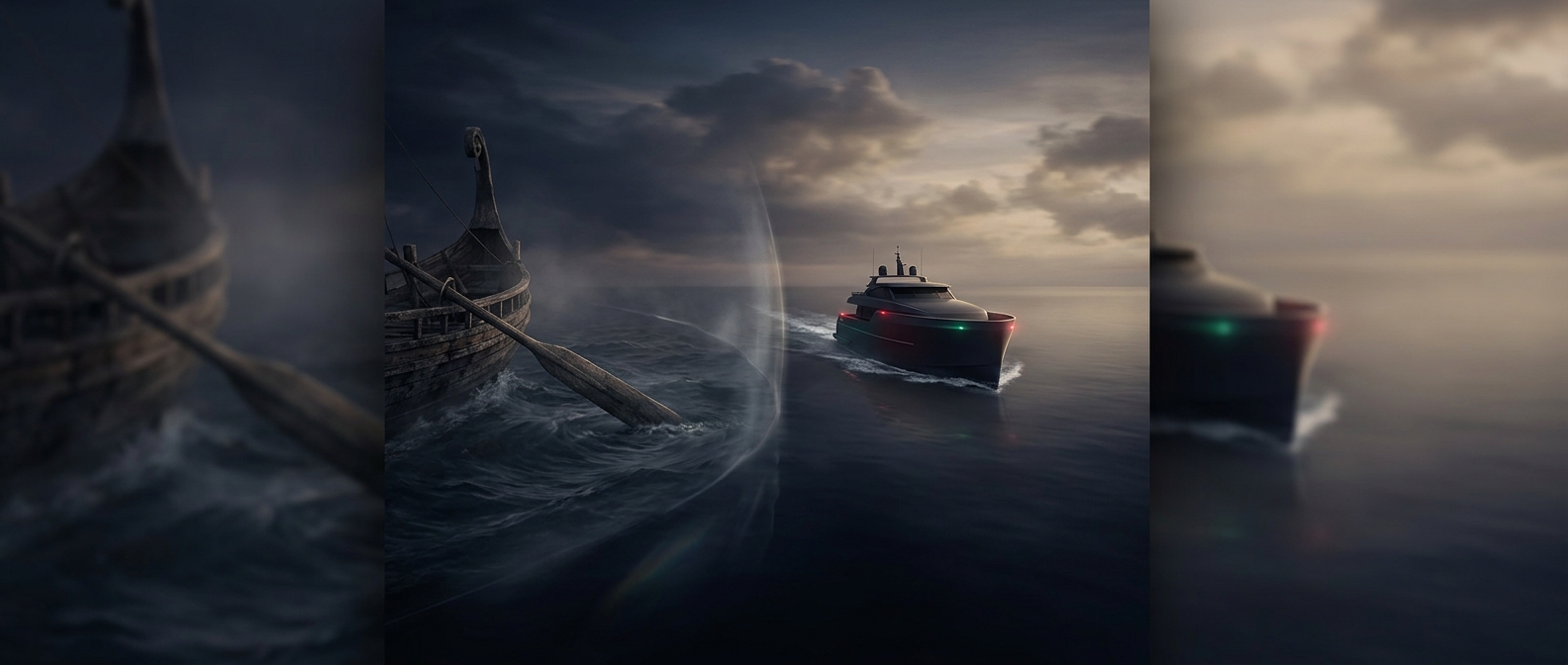
On many early vessels, the steering oar was mounted at the stern on the right-hand side. It was a large blade used to turn the ship, not a wheel fixed at the center. Because it projected beyond the hull, bringing that side close to a quay could damage the oar or leave it trapped against the dock.
So crews generally approached with the left side toward shore. That made it easier to land people and cargo while keeping the steering gear clear. The old word for the steering side, steorbord, eventually became “starboard.” The opposite side acquired the name “port,” after the side commonly turned toward the harbor.
A practical distinction that outlasted the oar
The names are defined from the perspective of someone aboard facing the bow: port is left, starboard is right. They do not change depending on which way a ship is moving or which side a passenger is looking from. That fixed reference matters when a crew gives directions in a cramped, noisy setting; “left” can be ambiguous if people are facing different ways.
“Port” also displaced the older term “larboard,” which sounded too much like “starboard” when spoken aloud. The steering oar itself disappeared from modern ships, but the naming convention stayed. Today it is built into navigation and safety: a vessel’s port side carries a red light, while starboard carries a green one, making the two sides easier to distinguish at night.