Mail contracts made ocean voyages predictable
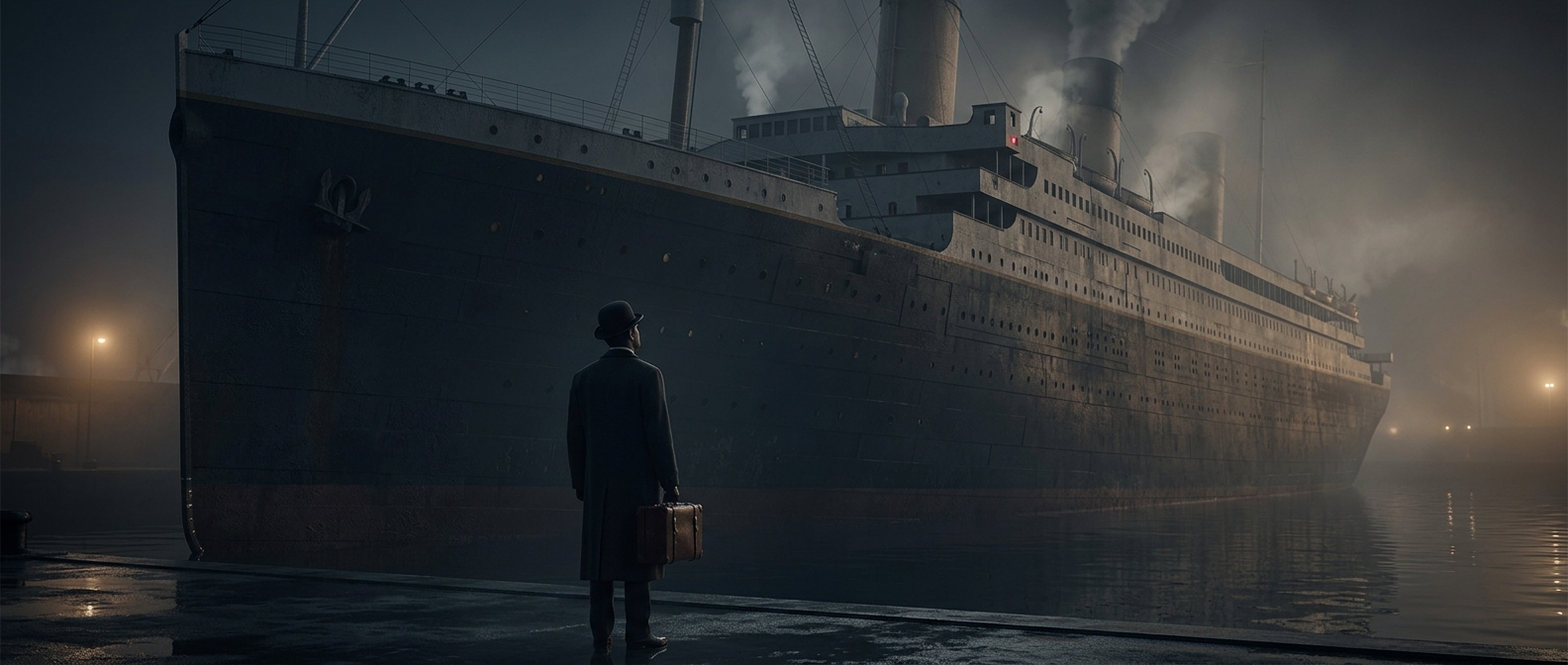
Before flying, crossing an ocean was a long, costly undertaking. Governments and postal services needed letters and official dispatches carried on regular schedules, so they contracted with steamship companies to run dependable routes. Those contracts helped support ships that might otherwise have struggled to make frequent departures while carrying cargo alone.
A ship already crossing the Atlantic could earn more by selling cabins to passengers. The mail set the route and timetable; passenger fares helped fill the vessel. For wealthy travelers, the crossing was still a substantial journey, but it could also be made comfortable, with private cabins, dining rooms, and service aboard.
A scheduled crossing became a holiday
These vessels were ocean liners: ships designed to carry people and goods between established ports, often on a timetable. Their main purpose was transportation, not sightseeing. The route itself—say, one continent to another—was the point.
Later, operators recognized that a ship did not have to serve only as a way to get somewhere. A voyage could be marketed as the experience: passengers could spend days at sea, stop at ports chosen for visitors, and return to their starting point. That is the basic distinction between a liner journey and a leisure cruise, even though the ships and services evolved over time.
The transition was not simply a matter of adding luxury. It changed what passengers were buying. On a mail-carrying liner, comfort made a necessary crossing more appealing; on a cruise, the time aboard and the itinerary became the product. The old mail routes helped establish the reliable schedules and passenger facilities that made ocean travel familiar—and gave leisure voyages a commercial foundation.