Why a cruise ship needs an enormous anchor
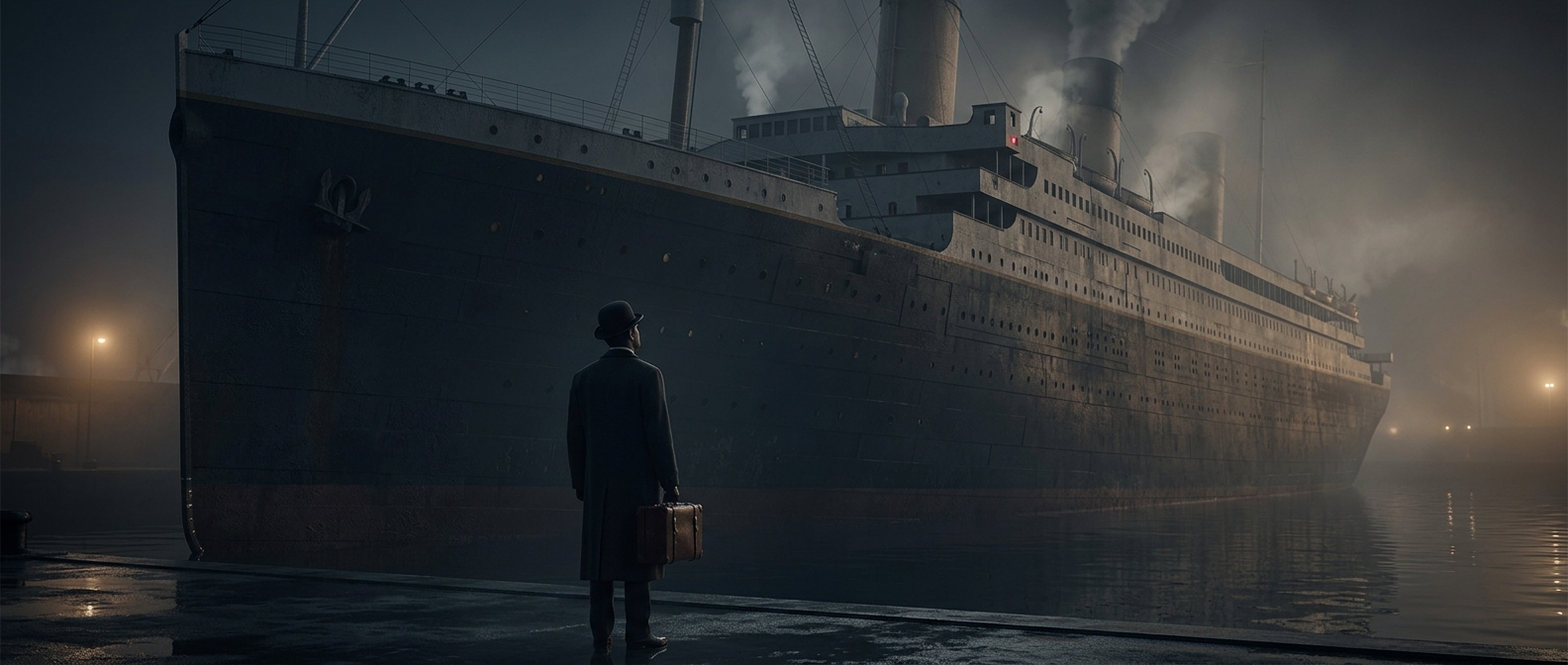
A cruise ship can weigh tens of thousands of tons, and wind and currents keep pushing on its broad hull even when it is not moving. Its anchor must help resist that force—not by acting like a simple, heavy paperweight, but by gripping the seabed as part of a much larger system.
The chain does much of the work
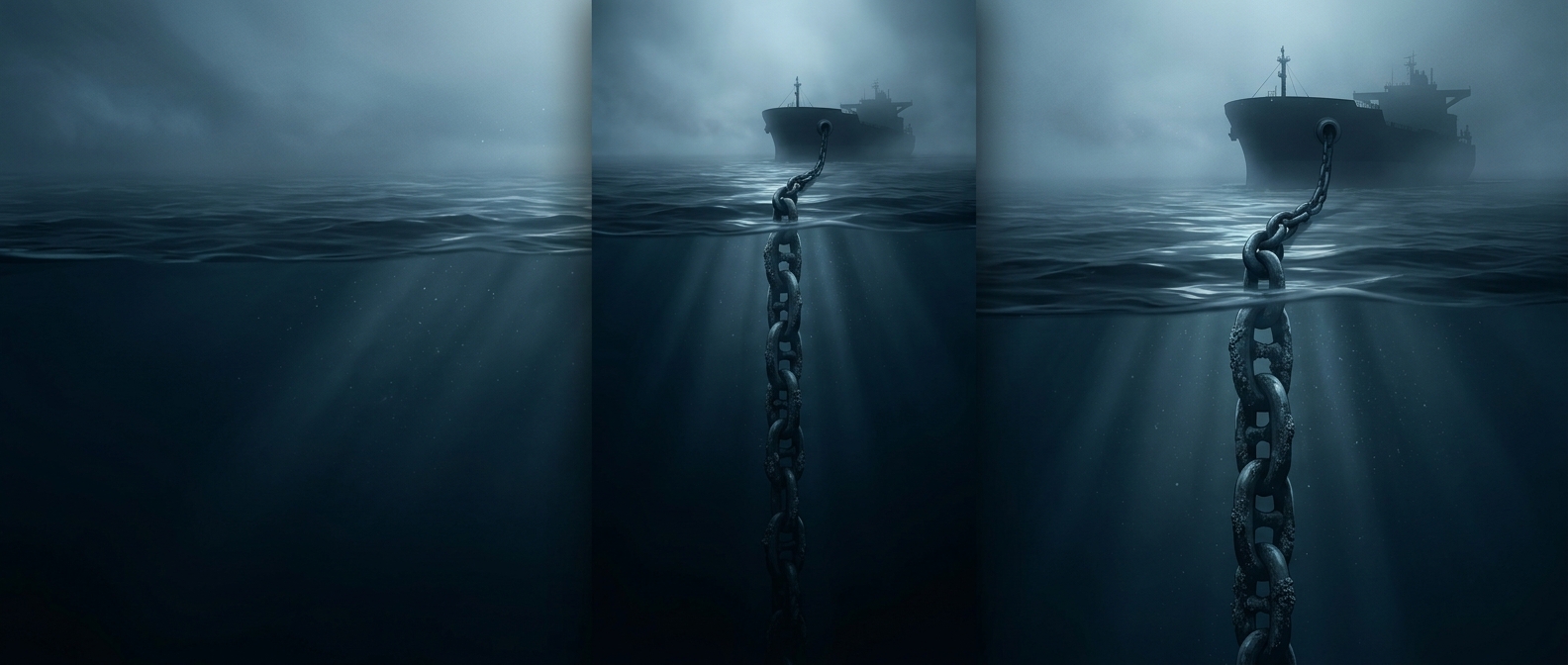
When the anchor is lowered, it is paid out with a long length of heavy chain. That chain settles into a curved shape on the bottom. As the ship drifts, the curve straightens and the chain’s weight helps keep the pull on the anchor low and nearly horizontal. That matters because a horizontal tug encourages the anchor to dig in; a steep upward pull can pry it loose.
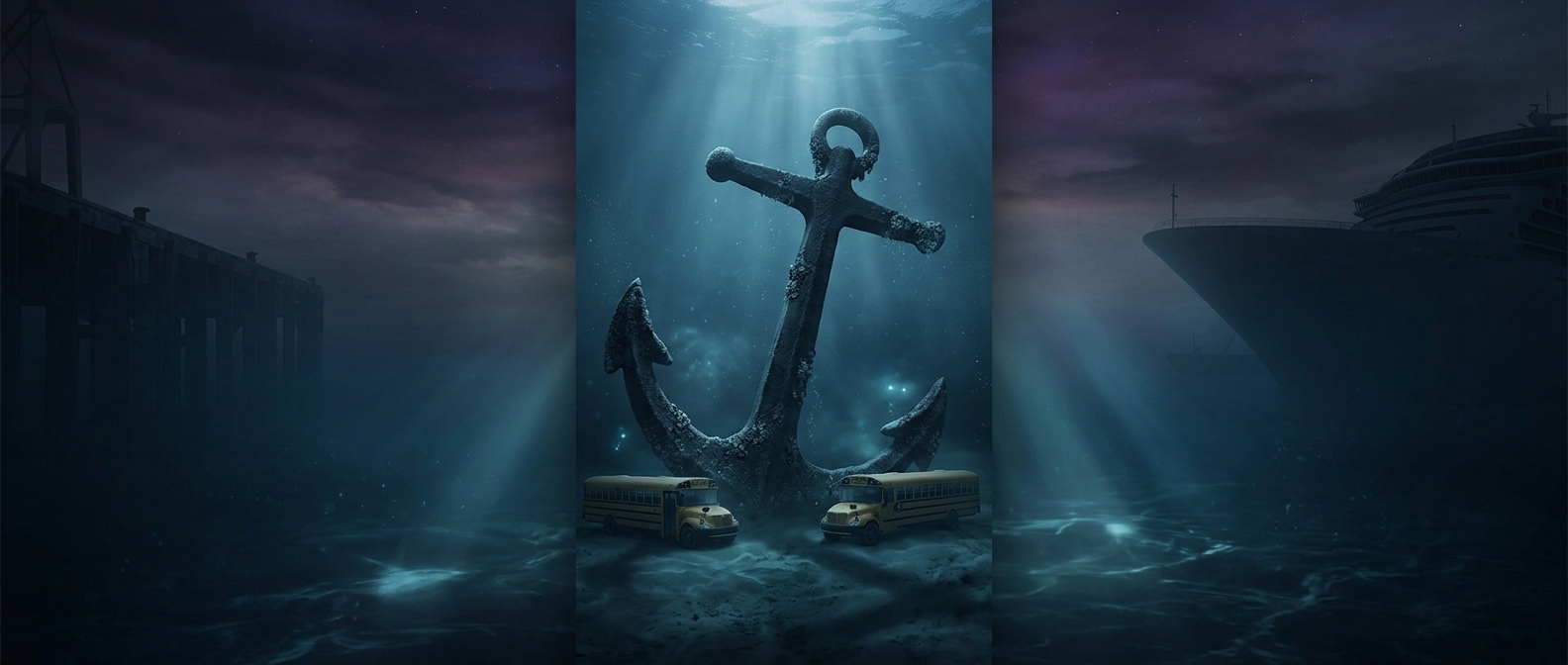
The anchor’s broad flukes—the pointed parts that catch the bottom—help it bury itself in suitable sand or mud. The anchor’s mass helps it descend and begin setting, but the ship’s holding power depends on the combined grip of anchor and chain, as well as the seabed and how much chain is out.
A hold with limits
Anchoring is therefore a choice shaped by local conditions. In water that is too deep, over a rocky bottom, or where wind and current are too strong, an anchor may not provide a reliable hold. The crew must also leave enough room for the ship to swing as the wind or tide changes direction.
That immense anchor is not meant to pin a floating city in place by weight alone. It is the first part of a carefully arranged connection to the seabed, with the chain turning a downward drop into a long, low pull.