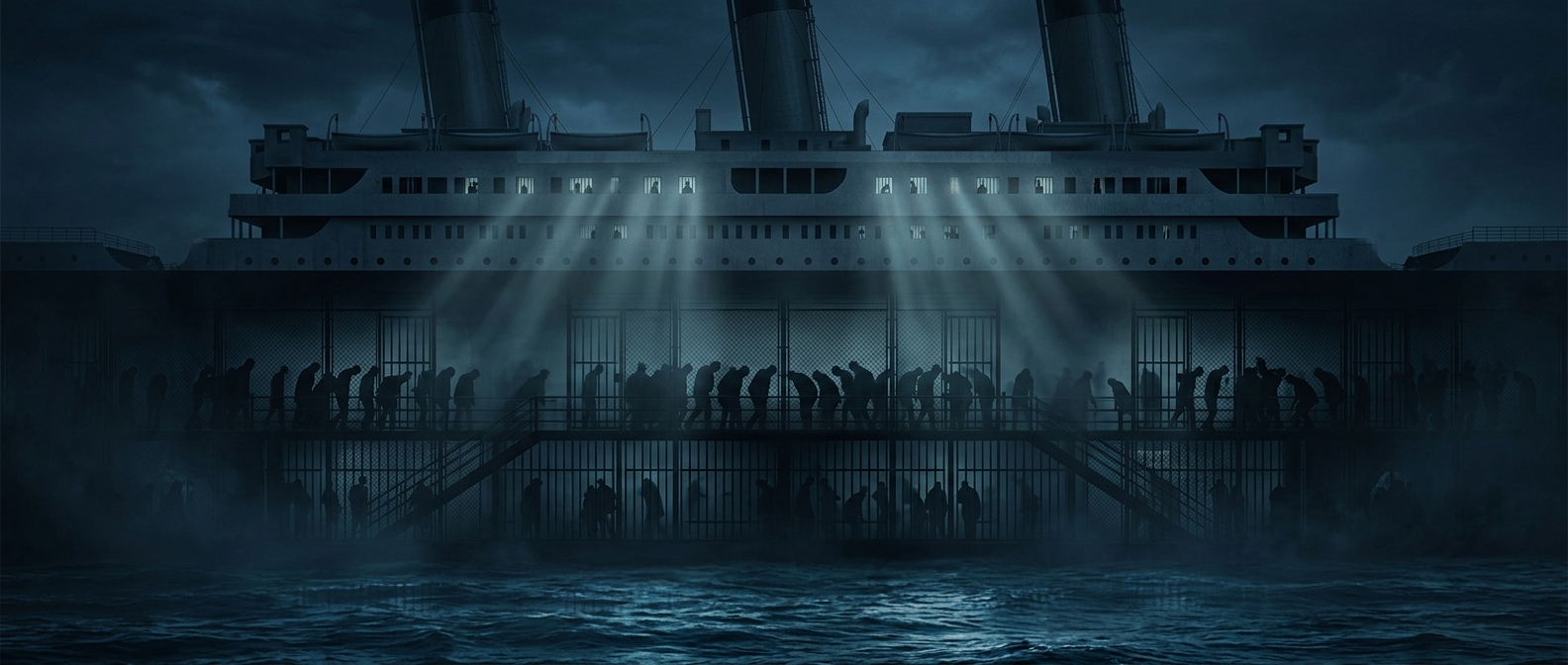
The immigration check moved overseas
The 1924 Immigration Act made an immigrant visa—permission to travel to the United States for immigration—a requirement to obtain before departure. Applicants went to a U.S. consular office in their own country, where officials reviewed their papers and whether they qualified under the law, including its national-origin quotas and restrictions on entry.
That shifted an important decision away from the American port. A third-class passenger could be refused a visa and stopped before boarding, rather than making the long ocean crossing only to be denied entry.
A visa was not the last checkpoint
Steamship companies checked passengers’ documents before sailing because carrying someone who lacked the required papers could create trouble for the company as well as the traveler. But clearance abroad did not guarantee admission: U.S. officials still inspected arriving passengers and could refuse entry if a person was found inadmissible or their documents were inadequate.
The change made the journey itself conditional. For a steerage passenger, a ticket no longer meant simply enduring the crossing and presenting oneself at the destination; the first decisive immigration review could happen at a consulate thousands of miles from the American shore.