How a shipwreck ends up beyond the beach
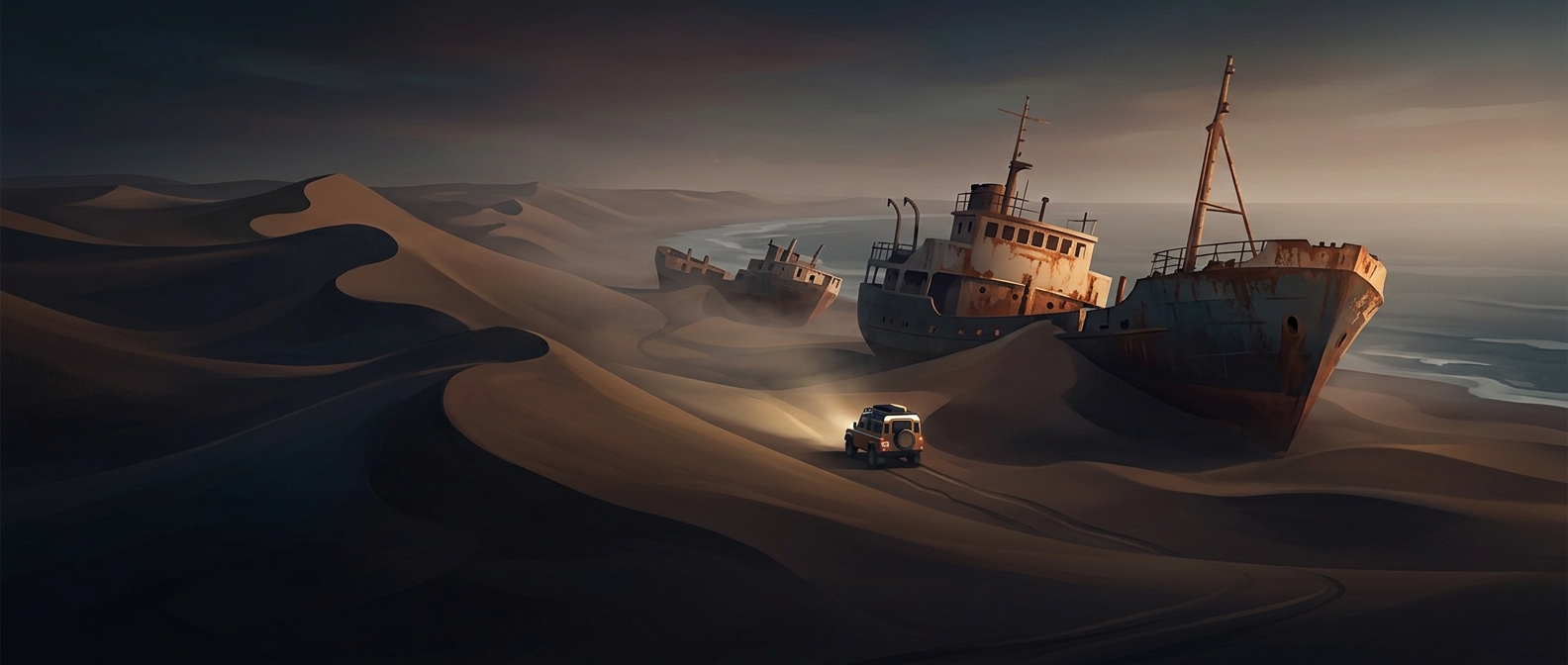
Along Namibia’s Skeleton Coast, a wreck can appear to have been carried deep into the desert. The ship has not traveled inland: sand has gradually covered the ground around it, turning a vessel stranded near the shore into a landmark amid dunes.
Wind constantly moves dry sand across this coast. Dunes can build, shift and spill over the flatter ground behind the beach, burying parts of a wreck and leaving other sections exposed. As that landscape changes, the distance between a wreck and the visible waterline can grow. “Hundreds of meters inland” describes where the wreck lies in today’s landscape, not necessarily how far it was from the sea when it ran aground.
Why ships were vulnerable here
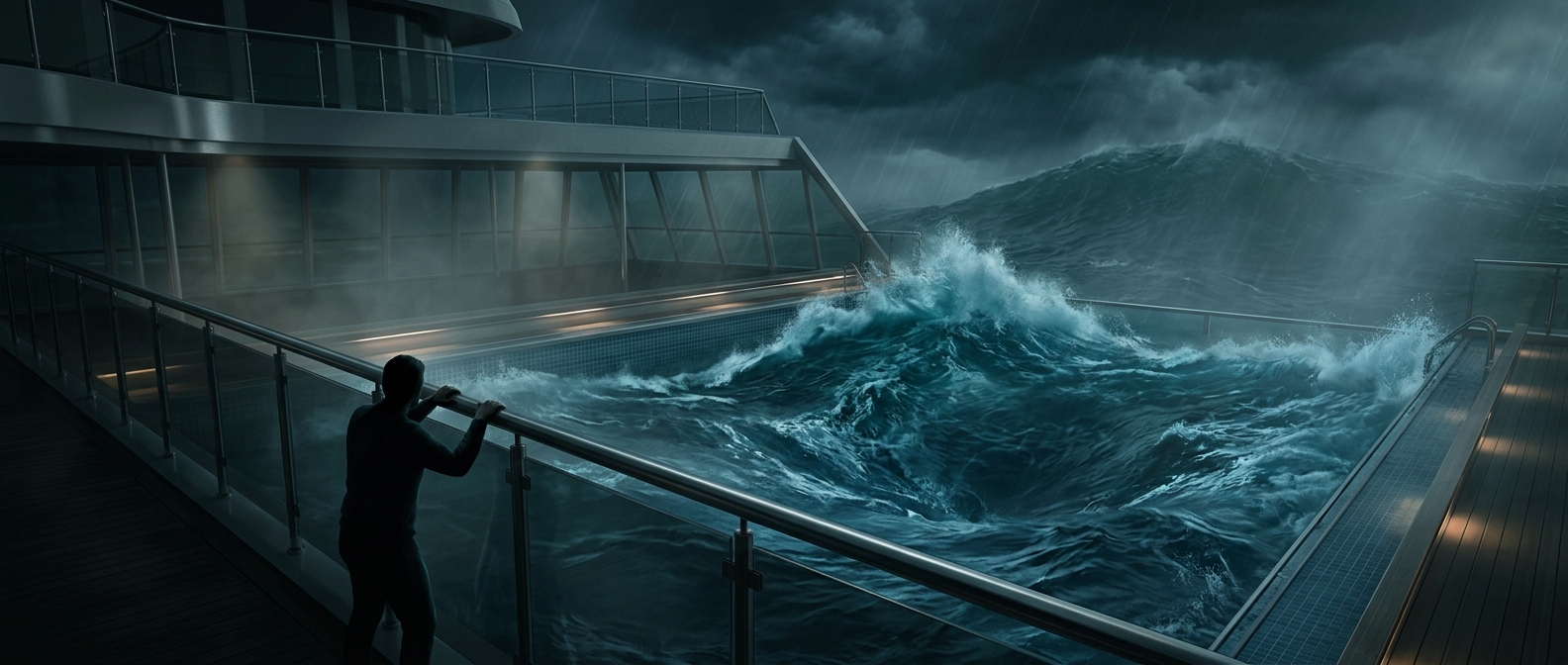
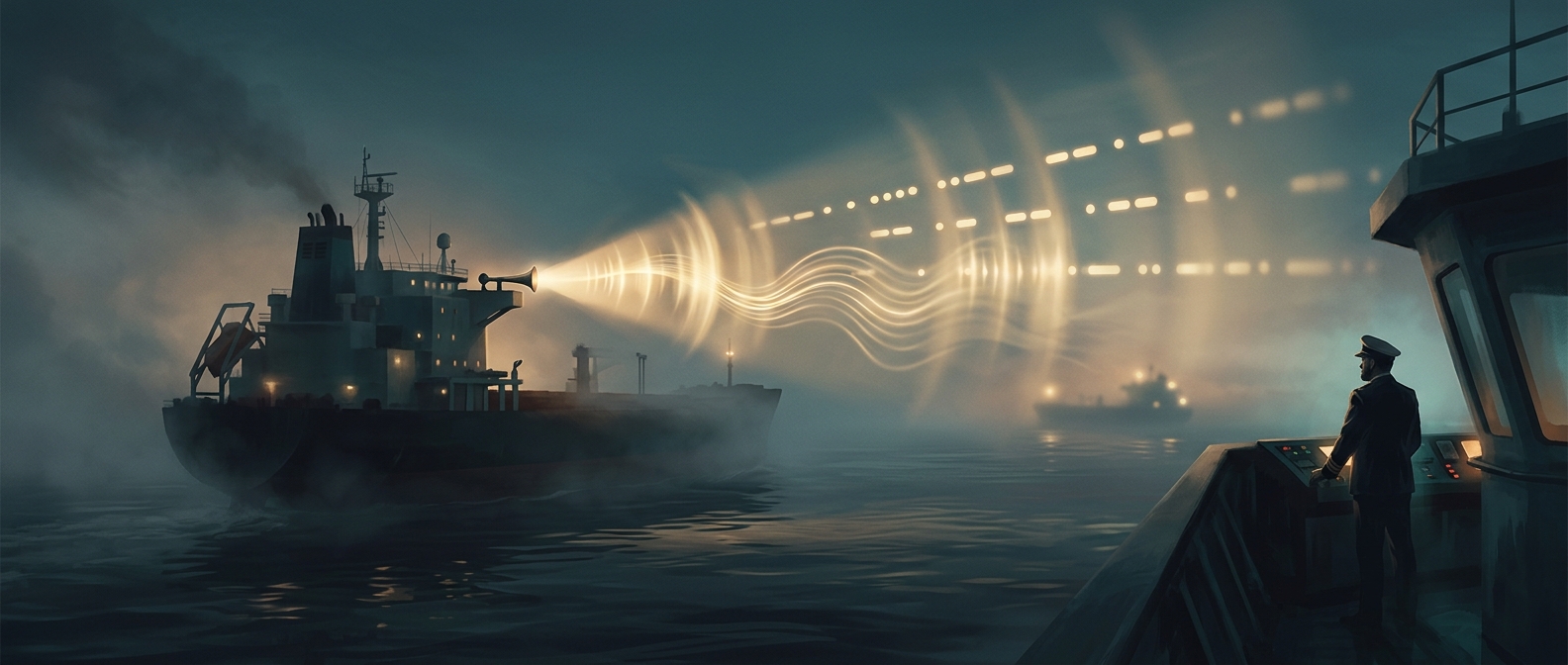
The same coast that later buries wrecks could be difficult for ships to navigate. Dense fog can obscure the shoreline and make it harder for crews to judge their position. Strong currents and rough coastal waters add to the risk, especially near shore, where a vessel has less room to correct course.
The result is a striking change in setting: a ship first stranded at the edge of the ocean can, over time, stand surrounded by desert. Its rusting hull marks both a maritime accident and the slow, visible work of wind-blown sand.