A closer look
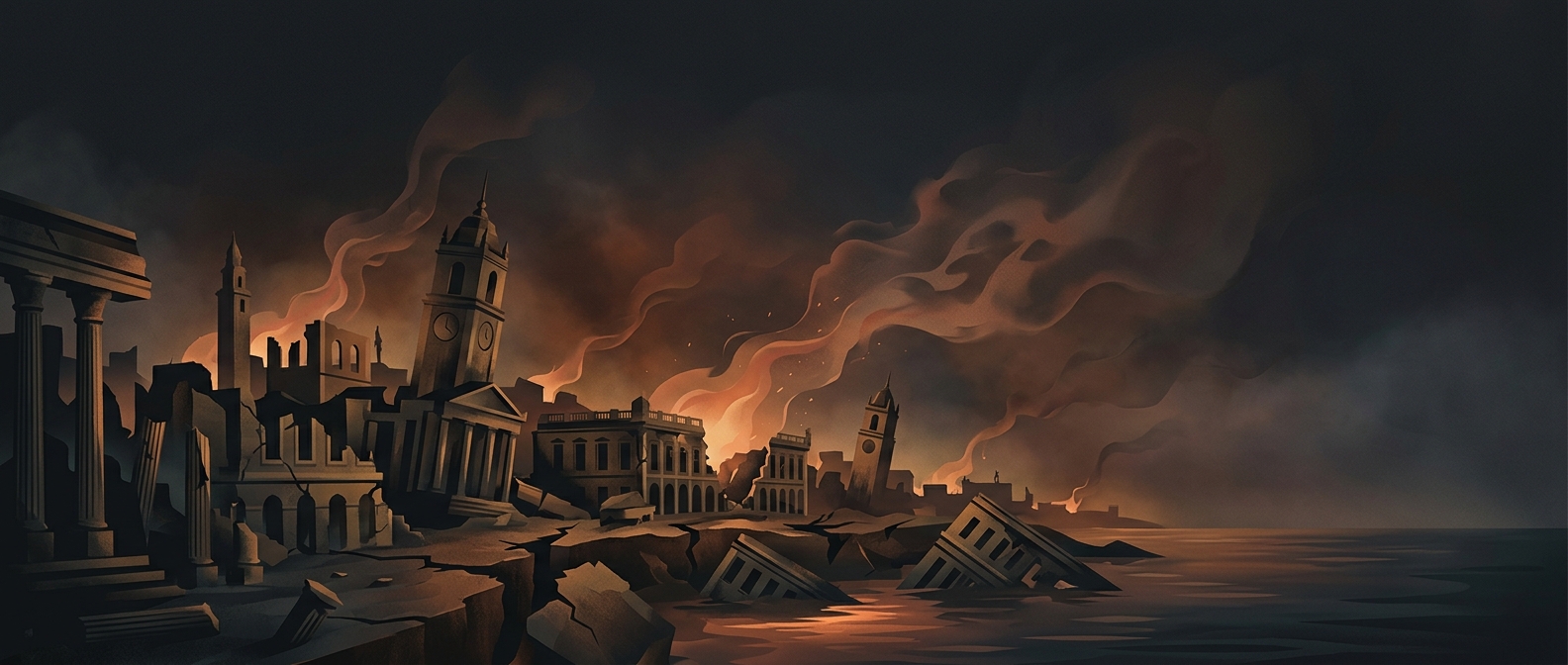
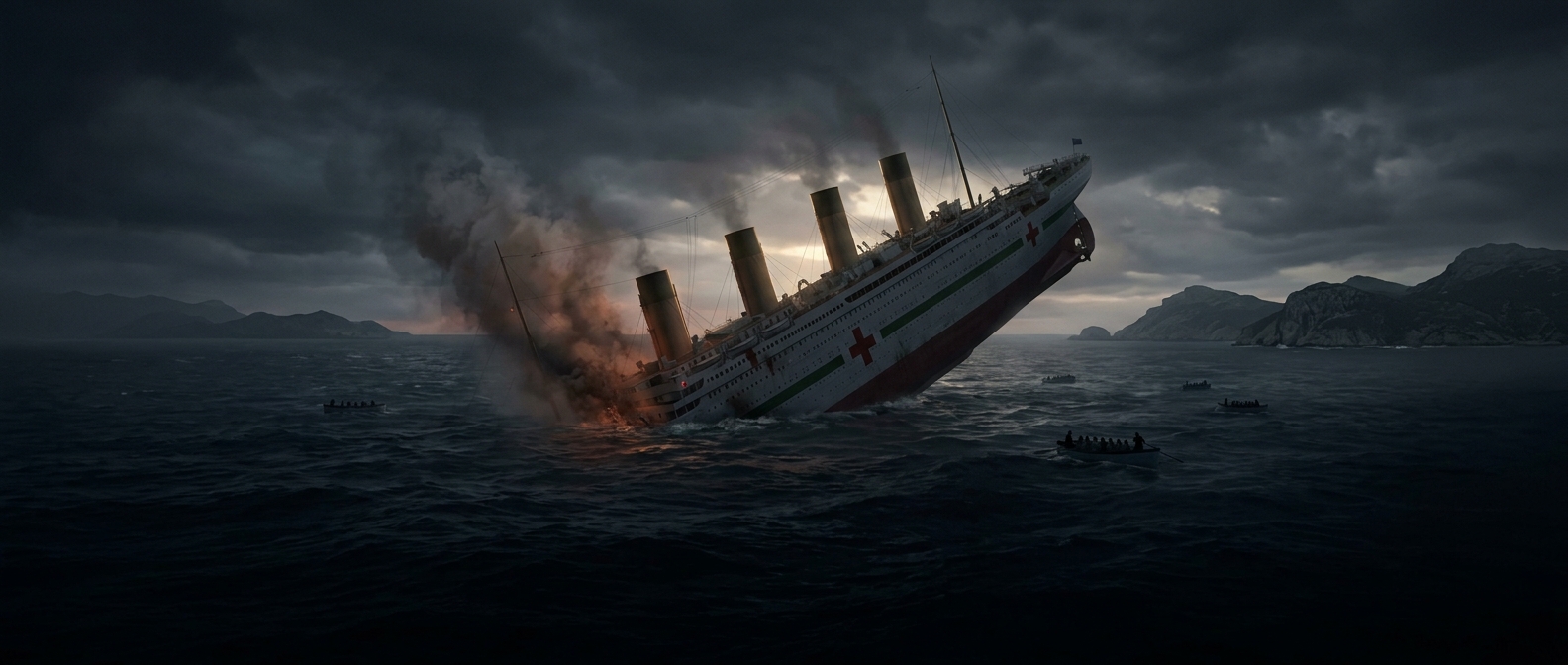
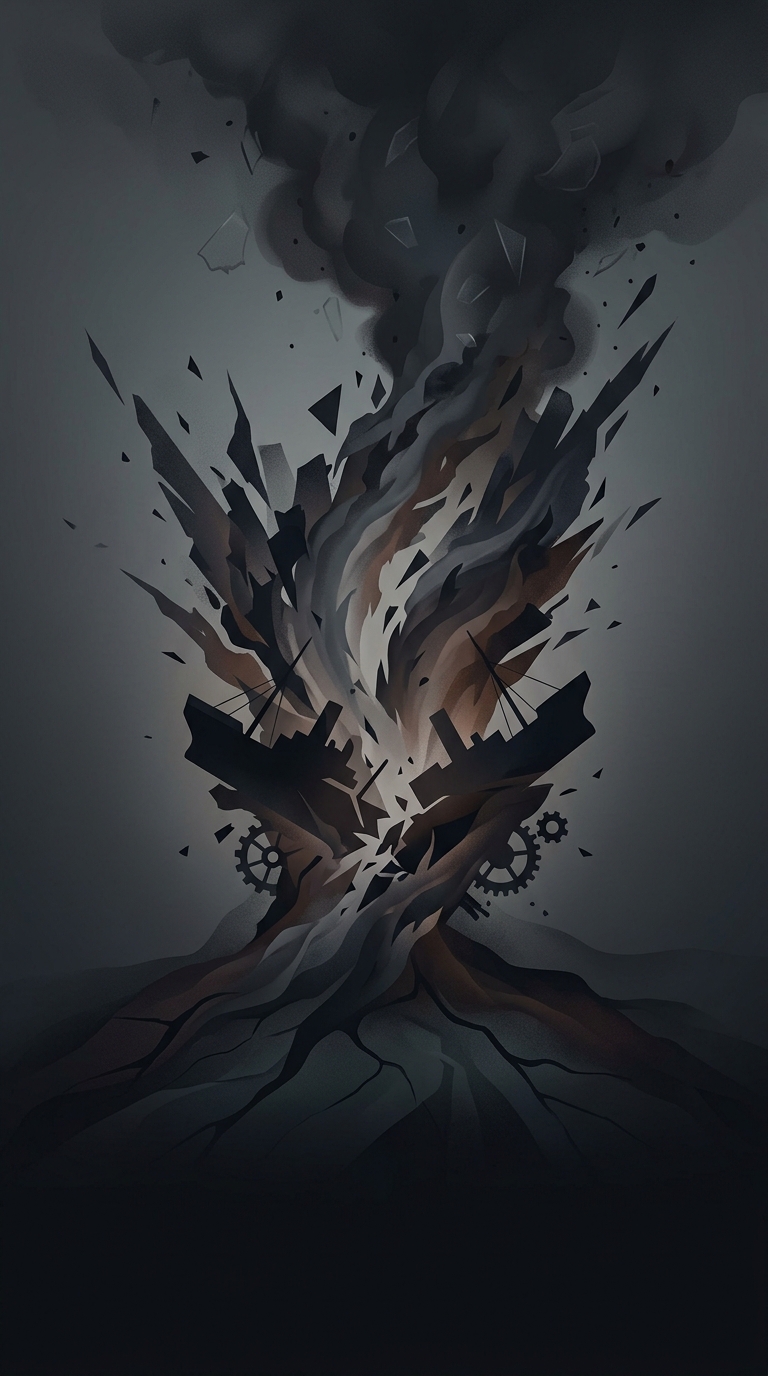
Two maritime ships accidentally collided in the harbor of Halifax in 1917, detonating over nearly three thousand tons of high explosives in a blast so massive it momentarily exposed the bottom of the ocean floor and shattered windows fifty miles away. The Mont-Blanc was essentially a floating, highly unstable bomb packed with TNT, picric acid, and highly flammable benzol, yet it was casually sailing through a crowded commercial port without any warning flags right up until it violently erased the entire northern half of the city. Before the atomic bomb was dropped in World War II, this catastrophic navigational oopsie held the depressing record for the largest man-made explosion in human history, killing around two thousand people and blinding hundreds who were watching the fire through their windows. It serves as a terrifying, grim testament to early twentieth-century safety standards, where transporting enough raw explosives to level a mountain was treated with the same casual urgency as delivering the morning mail