What ordinary people could reveal about the past
Marc Bloch helped change what counted as historical evidence. Instead of treating history mainly as a record of rulers, wars, and official decisions, he asked how people in the past understood the world they lived in. Their rumors, customs, and shared beliefs could reveal social relationships and assumptions that formal documents often left out.
That approach shaped the Annales School, the group of historians associated with Bloch and Lucien Febvre. Its name came from the journal Annales, which they founded in 1929. Bloch’s work on medieval kingship, for example, examined the belief that a king’s touch could heal illness—not simply to decide whether the healing was real, but to understand why people trusted the ritual and what it said about the king’s authority.
Rumor as evidence, not mere chatter
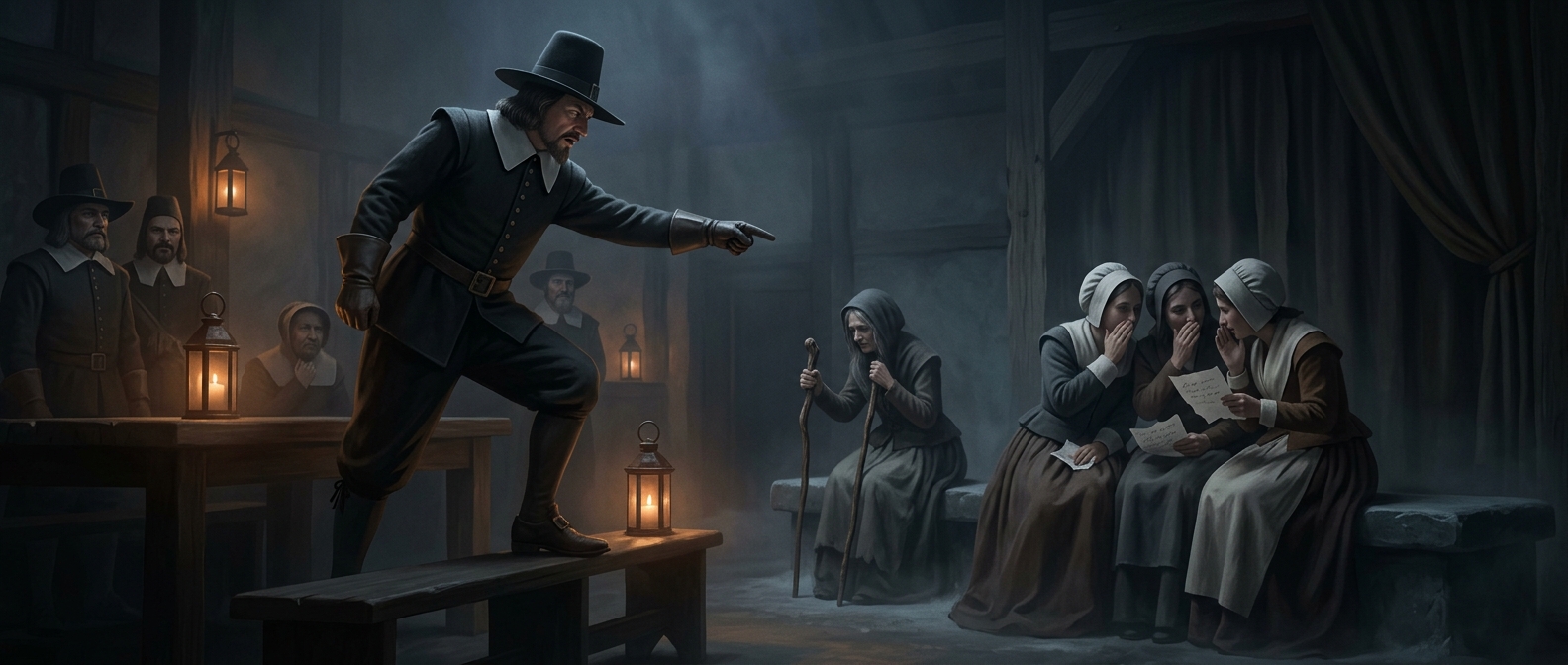
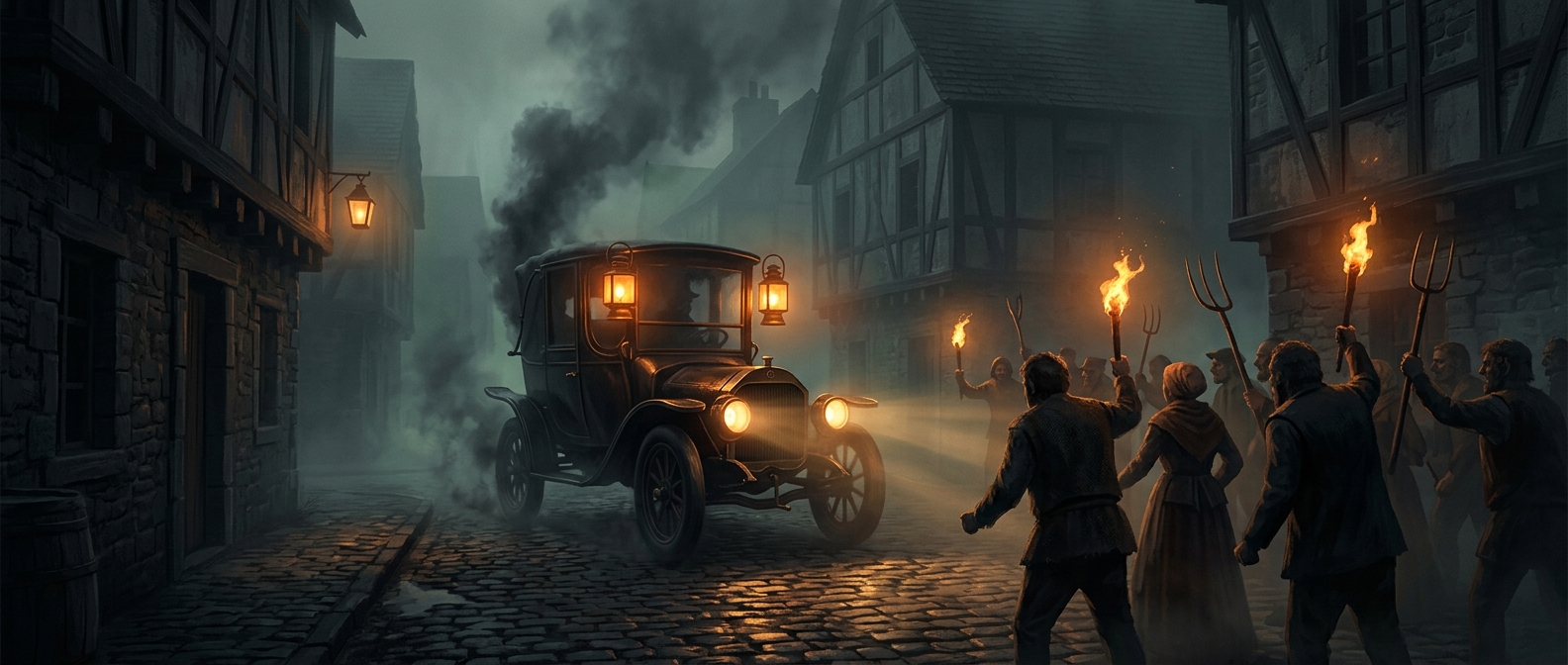
Gossip can be unreliable about a particular event. But the fact that a rumor spreads—and the fears or hopes it expresses—can still tell a historian something important. Repeated stories may expose who is trusted, what a community considers threatening, or how people explain changes they cannot control.
Bloch’s method made everyday belief part of the historical record. It also demanded interpretation: a historian has to ask who told a story, in what setting, and what the available evidence can actually support. A rumor is not a transparent window onto the past; it is a clue to how people made sense of it.
From studying collective belief to resisting occupation
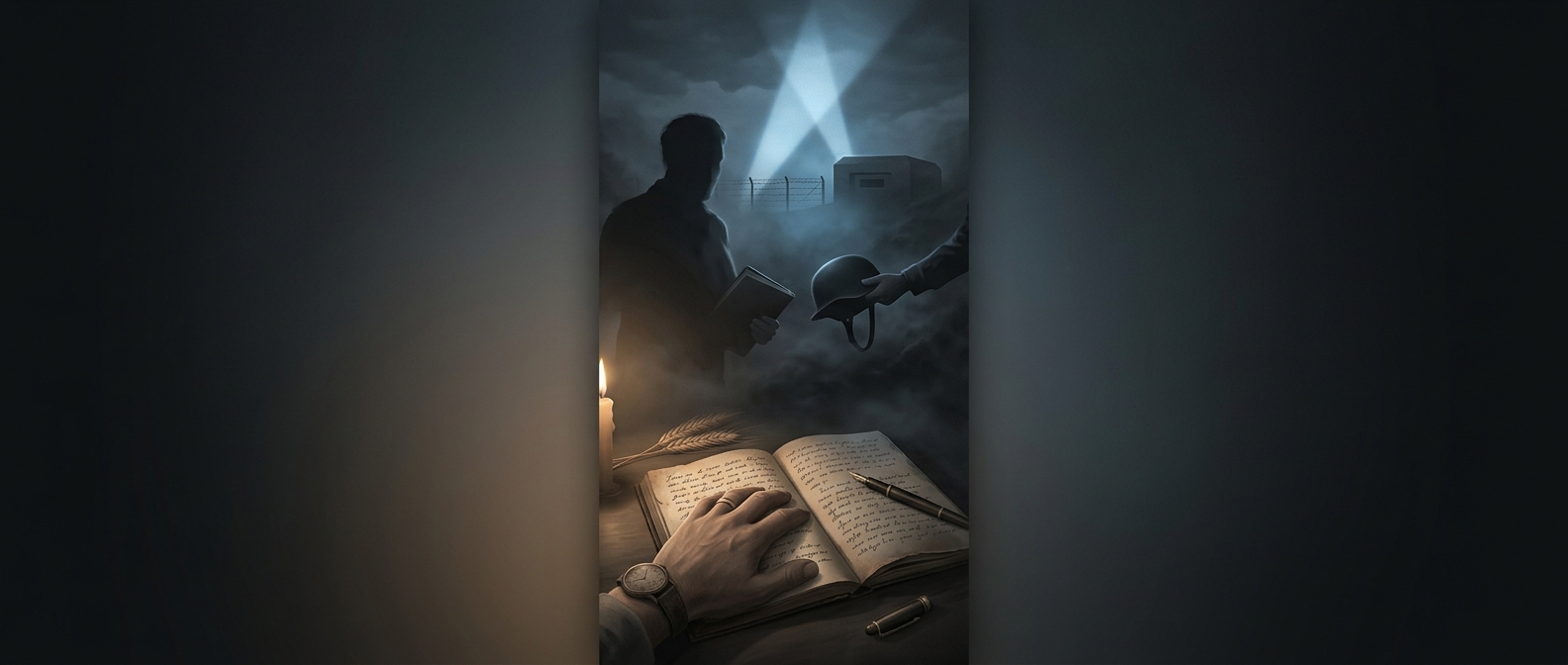
After France’s defeat by Germany in 1940, Bloch joined the French Resistance while continuing to write. He was arrested by the Gestapo and executed in 1944. The two parts of his life were not the same kind of work, but they share a striking concern: how people act within forces larger than themselves. His history made the beliefs of ordinary communities consequential; his resistance made his own choices under occupation consequential too.