A Sea Encounter Turned Into a Portable Charm
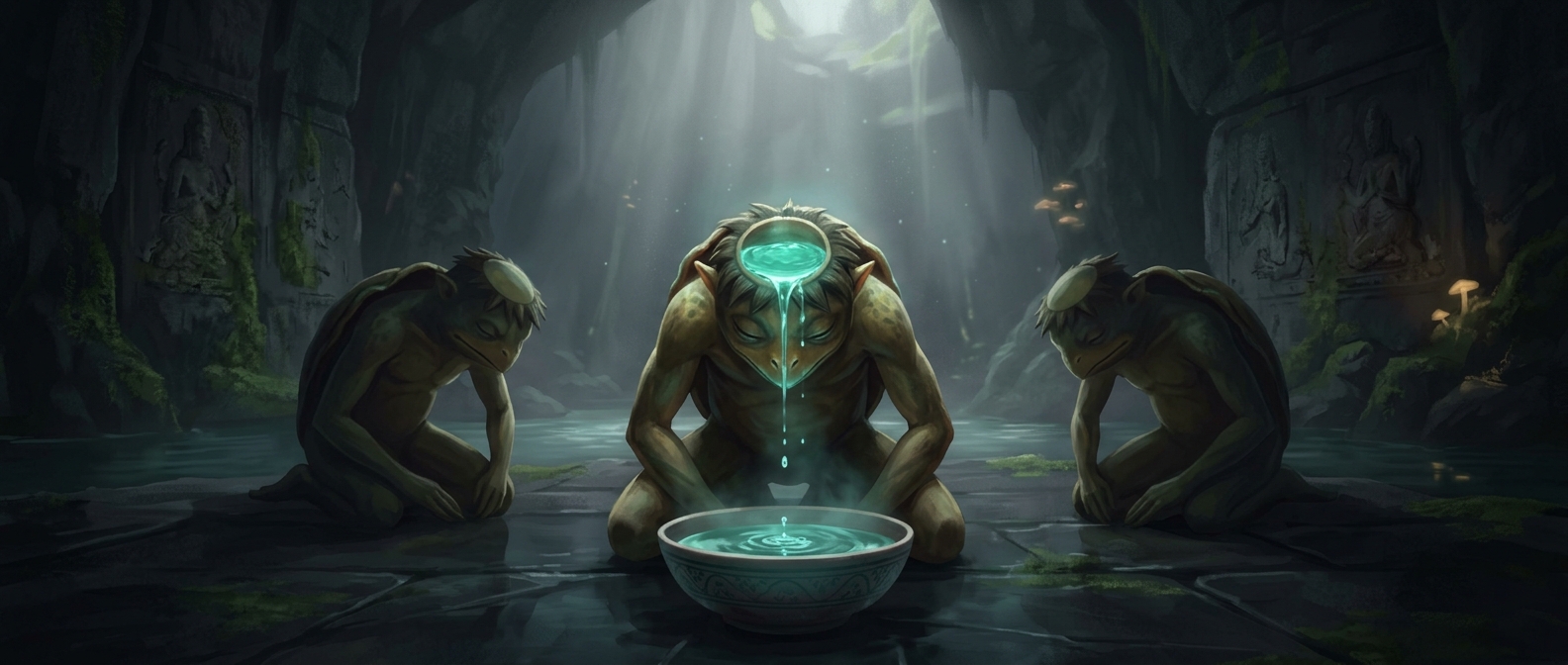
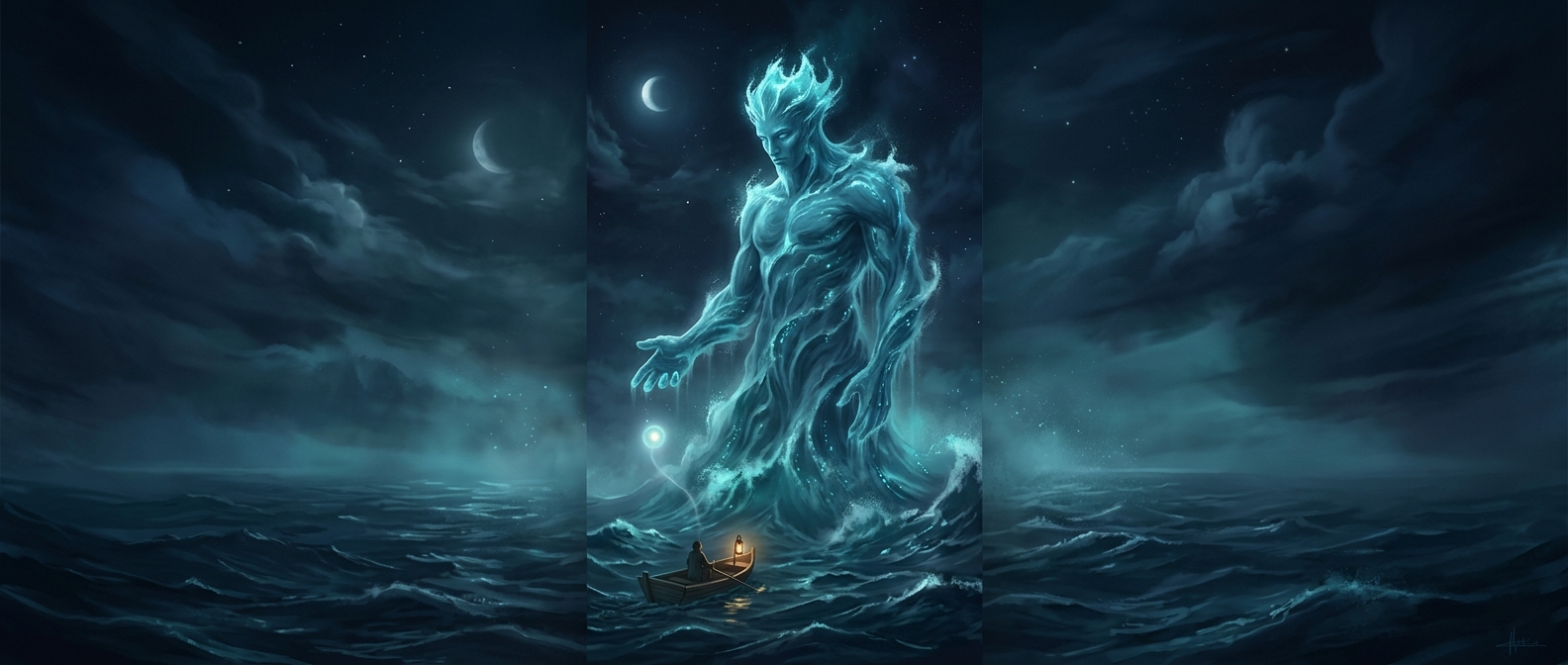
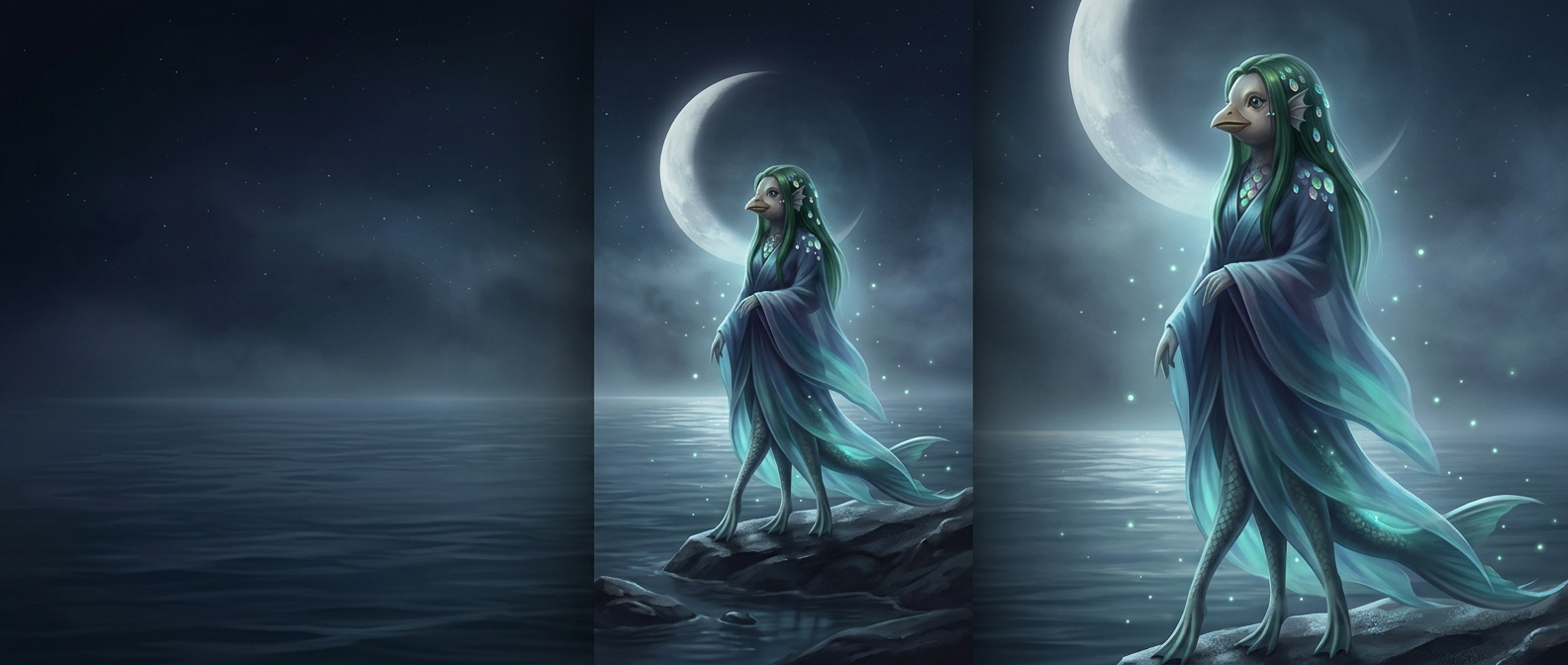
Amabie belongs to Japan’s tradition of yōkai: strange beings that inhabit the boundary between the ordinary world and the uncanny. Its story survives in an 1846 account said to come from Higo, a region on the island of Kyushu. A government official investigating a mysterious light over the sea reportedly met the creature, which delivered a prediction and advice about what to do if illness spread.
That advice gave the encounter a practical afterlife. Amabie was not merely a monster to describe; its likeness could be copied and passed along as a protective charm. The image made an otherwise fleeting sea apparition something people could keep, share, and consult.
Why the Image Mattered
In nineteenth-century Japan, inexpensive printed sheets called kawaraban carried news and striking accounts to readers beyond the circles served by formal books. A picture was especially useful for a protective message: people did not need to witness the creature or remember a long story. They could reproduce the image and circulate it.
The instruction to show Amabie’s portrait to others links protection with transmission. In the legend, the image’s benefit depends on being seen, so spreading it becomes part of the response to danger. That is a folkloric promise, not evidence that a picture can prevent disease—but it reveals how people could turn fear of an unseen threat into a concrete ritual of making and sharing.
An Old Story With a New Route
Amabie’s reported instruction can sound strikingly modern because it treats circulation itself as useful. The mechanism, though, is older than digital sharing: a memorable figure, a reproducible picture, and a message that encouraged each viewer to pass it on. What traveled was both a charm and a story about what to do when danger felt difficult to see.