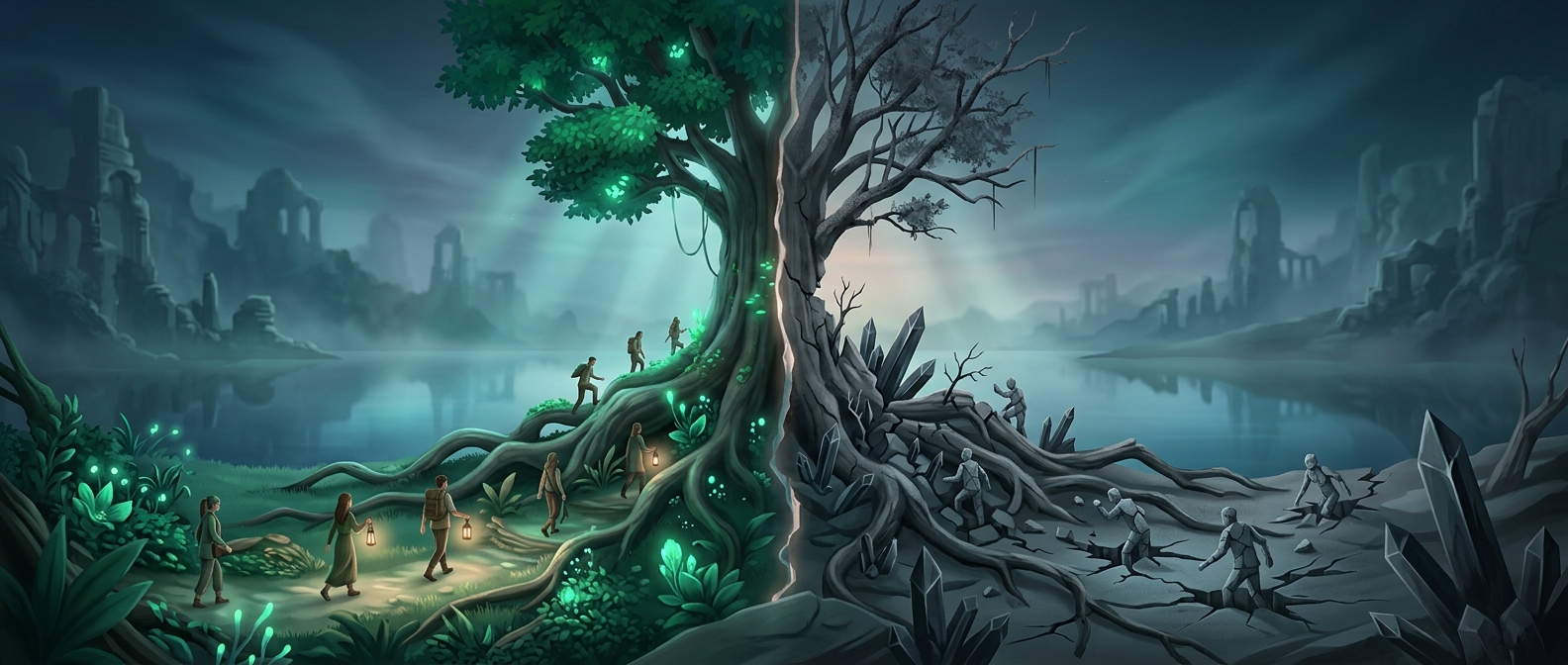
How a single visit can leave a lasting mark
Fragile habitats often recover slowly. On a reef, a foot or fin that strikes living coral can break its delicate structure; sediment stirred from the bottom can also cloud the water and reduce the light corals need. On land, repeated steps can crush plants and compact soil, making it harder for water to soak in and seedlings to take root. A small disturbance may seem harmless, but the same contact repeated by many visitors can turn a narrow route into a widening scar.
Waste creates a different chain of damage. Food scraps can change what wildlife eats, while plastic and other litter may be swallowed by animals or entangle them. Even when trash is eventually collected, carrying it into a remote area creates a burden for local cleanup and disposal systems.
Access can pay for protection—but only with care
Visitors also create a reason and a source of income to protect places. Spending at locally run lodgings, guides, and other businesses can support people whose livelihoods depend on a healthy landscape. Visitor fees, where they are used for conservation, can help pay for trail upkeep, monitoring, or habitat restoration. But tourism revenue does not automatically reach those purposes, and more visitors are not always better: beyond a site's capacity, the damage can outweigh the funds and jobs tourism brings.
Small choices change the pressure
Stay on marked paths and use designated viewing areas rather than seeking a closer angle. In the water, avoid standing on or touching coral, and follow local guidance about where to swim or anchor. Pack out what you bring in, and choose local operators who explain how they limit disturbance and support the area.
These choices cannot replace good site management, but they reduce the wear each visitor adds. At a fragile destination, the difference between a memorable visit and a lasting injury may be as ordinary as where someone puts a foot.