What “elemental imbalance” means in astrology
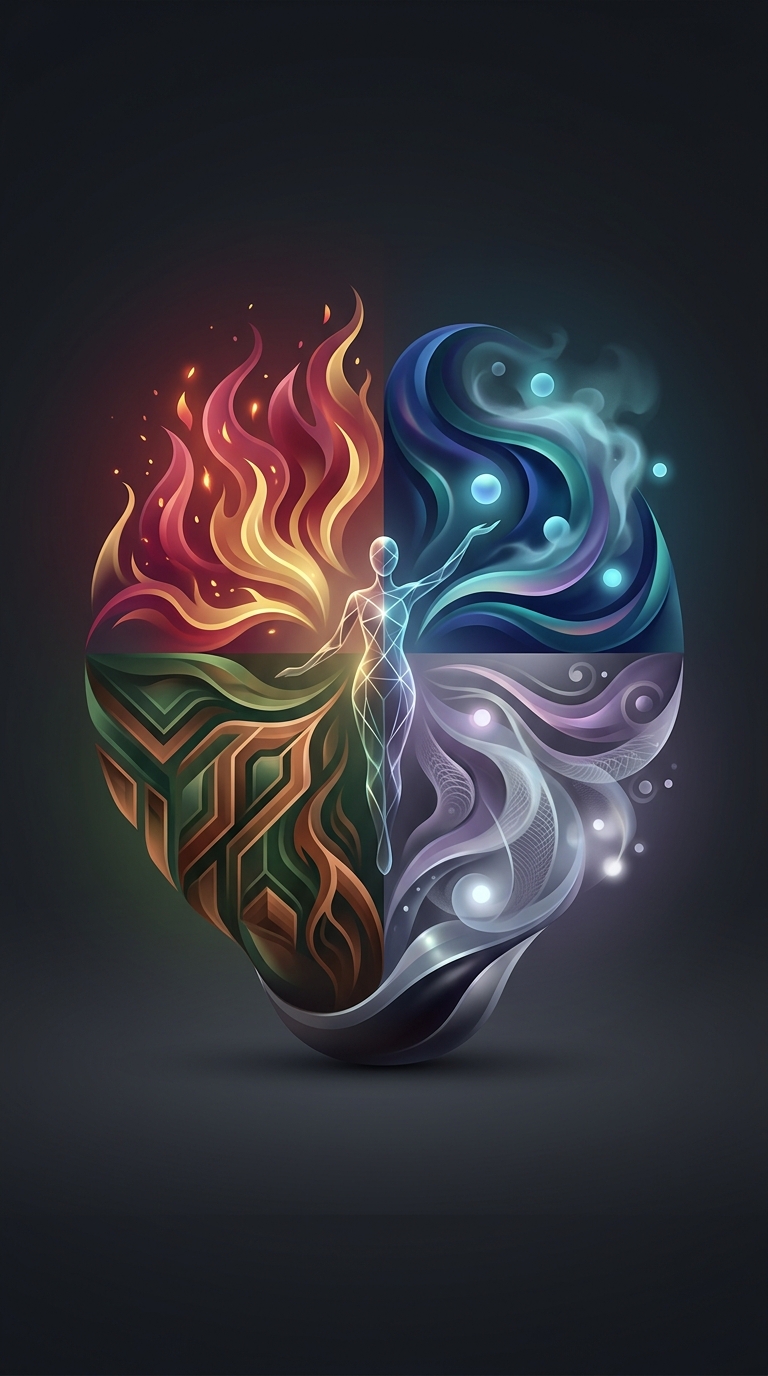
In many astrological traditions, the four elements—fire, earth, air, and water—are broad symbolic categories for describing temperament. Fire is associated with drive and spontaneity; earth with practicality and steadiness; air with ideas and communication; and water with feeling and intuition. These are interpretive associations, not scientific measures of personality.
An astrologer may look at how many planets and other chart points fall in signs assigned to each element. If one category is especially prominent, the chart is described as concentrated in that element. The reading is about emphasis: which style of responding is thought to come most readily, and which qualities may take more conscious effort.
Why “too much” can sound like a problem
The same quality that helps someone act decisively can, in an unfavorable reading, become impatience. Likewise, emotional sensitivity might be portrayed as compassion or as difficulty gaining distance. This is the logic behind warnings about an element becoming overwhelming: a strength is imagined to turn into a blind spot when it dominates the person’s usual approach.
The interpretation is not necessarily that someone is doomed to behave in one way. Some astrologers treat the less-emphasized elements as areas to cultivate, while others look to the whole chart for factors that might soften or redirect the dominant pattern. The result is a symbolic vocabulary for talking about balance—how a person might temper quick action with reflection, for instance—rather than a diagnosis or fixed prediction.