Why a Bomb-Defusal Robot Can Feel Like a Fellow Soldier
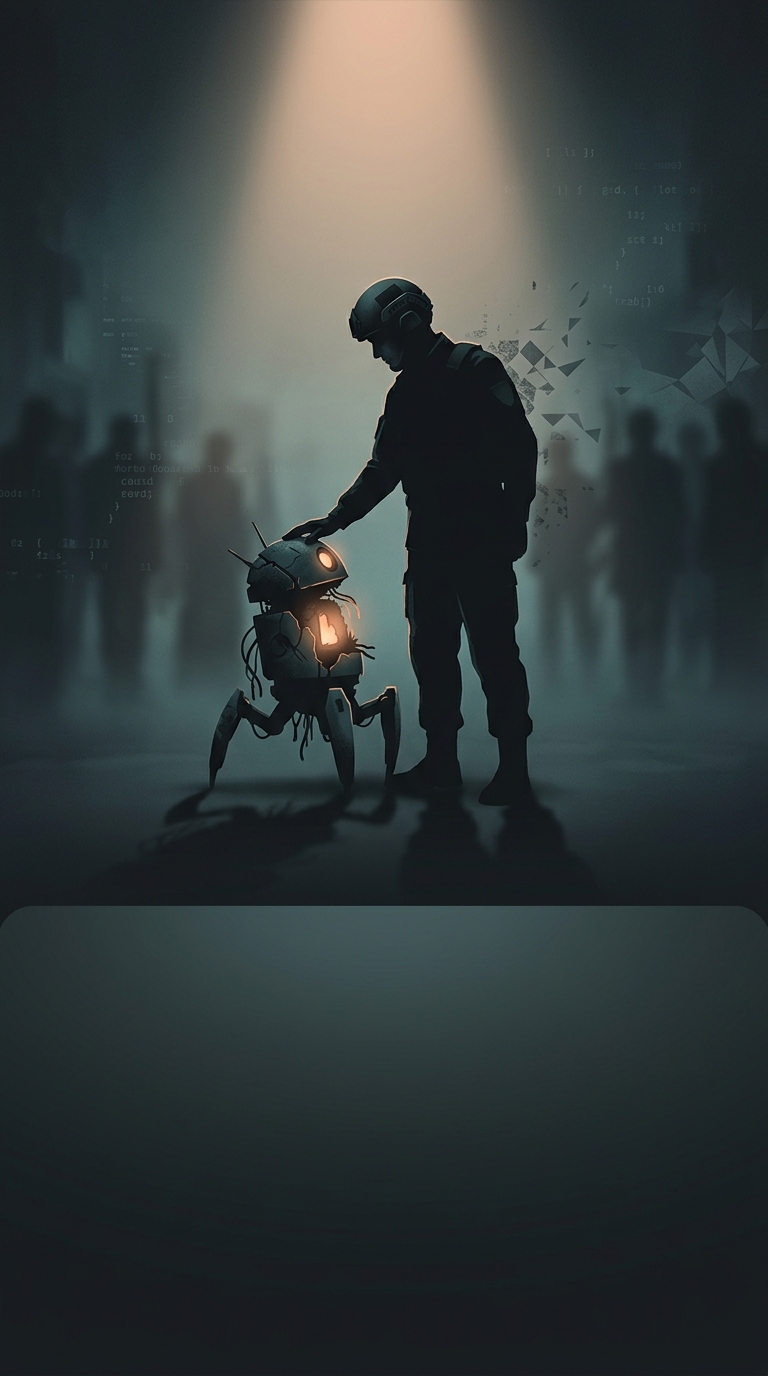
The reaction is a form of anthropomorphism: people instinctively treat something nonhuman as if it had human feelings or intentions. A bomb-disposal robot does not feel fear or make choices in the human sense, but it moves through a dangerous scene, responds to its operator, and can appear to “go” where a person cannot. That makes it easy to describe the machine as brave, loyal, or part of the team.
How Repeated Use Builds Attachment
The bond is not just about the robot’s appearance. Operators may guide it remotely for hours, watching through its camera as it approaches a bomb and manipulating its movements with controls. The machine becomes the visible extension of a person’s attention and skill. Its survival can feel like a shared success; its destruction can feel like the loss of a trusted partner.
In military settings, the stakes intensify that response. The robot is sent into danger in place of a human, and its destruction can mark a frightening moment for the people operating nearby. Calling for a funeral gives the team a familiar way to acknowledge that loss and express loyalty to something that helped protect them—even while knowing it was equipment, not a living comrade.
What the Funeral Means
A funeral for a robot does not mean soldiers believe it was literally alive. It shows how human social instincts can attach meaning to a machine that takes part in consequential, repeated interactions. The ritual can honor the team’s experience as much as the device itself: the robot may be replaceable, but the relationship and the danger it shared with its operators are not.