Why Chewbacca Was Left Out of the Ceremony
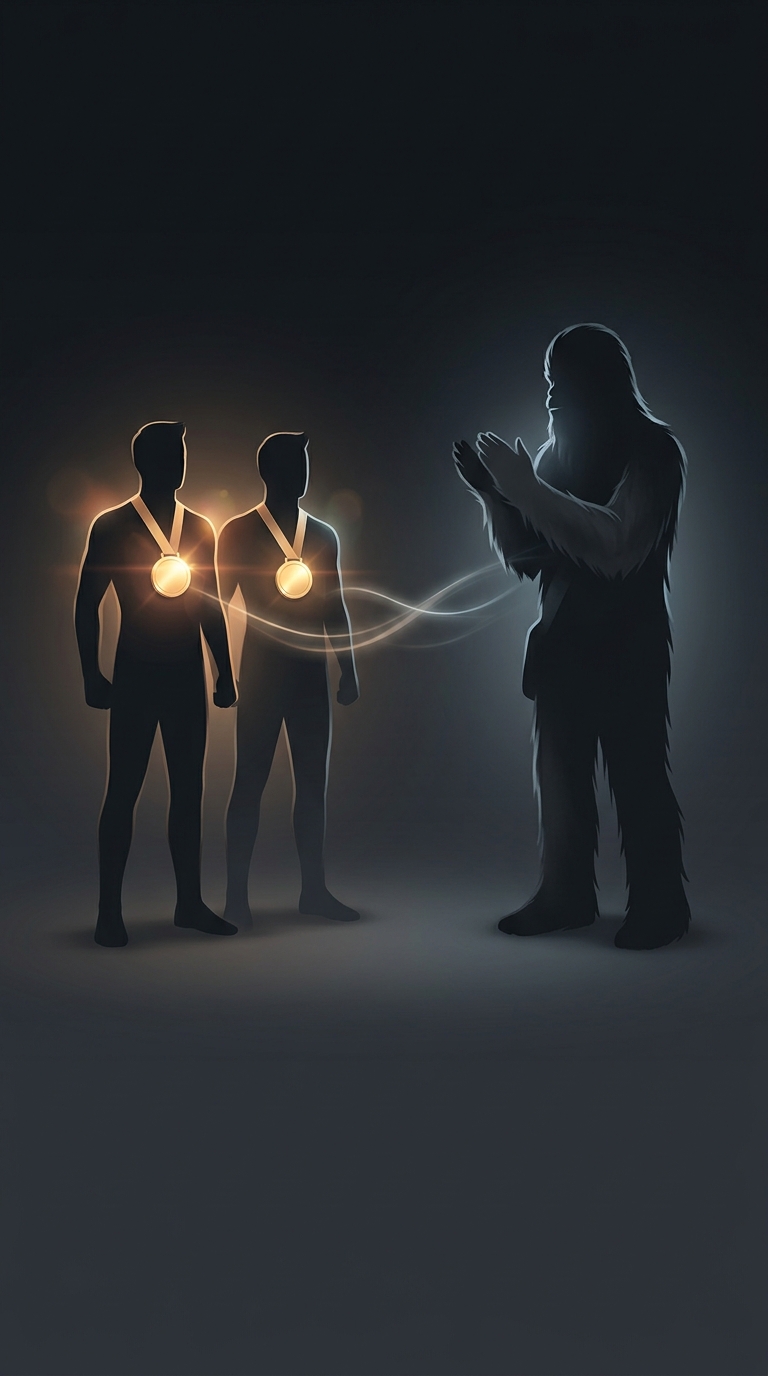
At the end of Star Wars (1977), the medals turn a dangerous mission into a public victory: Leia honors Luke and Han in front of the Rebel audience. Chewbacca stands beside them, applauding, but receives nothing. George Lucas later explained the omission by saying that Wookiees did not place the same value on medals as humans did.
That explanation reframes the scene: the ceremony’s rewards are not necessarily a measure of who mattered most. Chewbacca had fought alongside Han and helped the heroes escape, but Lucas suggested that a metal award was not the kind of recognition his character would prize. The film itself, however, never explains this to viewers, so the image can also look like an unintentional slight.
A Medal, Much Later
The ending was designed around a familiar storybook image: the princess honors the heroes, and the music and staging make their victory feel complete. Chewbacca’s place in that image is more ambiguous. He is visibly part of the celebration, but the ceremony’s most concrete token of achievement goes to the two human characters.
The Rise of Skywalker revisited the omission decades later. After Leia’s death, Maz Kanata gives Chewbacca a medal, offering the recognition the original ceremony withheld. The later moment does not erase Lucas’s explanation about Wookiee values; instead, it turns the old visual gap into an occasion for a new gesture. A small prop becomes a way for the saga to acknowledge a question viewers had been asking since its first victory parade.