How a nanoscale texture becomes a touch signal
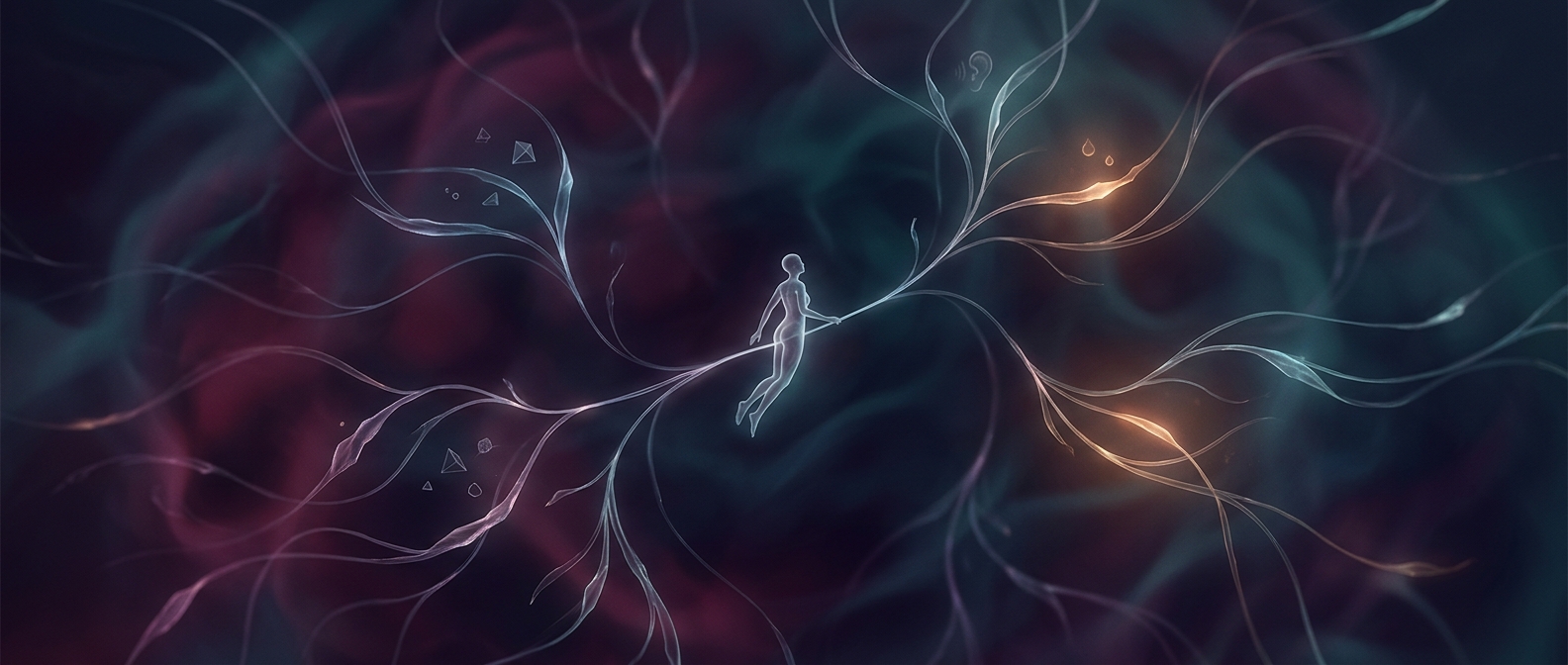
A fingertip does not read a 13-nanometer feature the way an eye resolves a tiny line. Its touch receptors are much larger and farther apart. Instead, the skin responds to how a textured surface changes contact as the finger presses or moves across it.
At the point of contact, ridges and gaps can alter friction and make the skin deform or vibrate in slightly different ways. Those changes activate networks of touch-sensitive nerve endings. The brain combines their signals with information about finger movement and pressure to recognize a texture too fine for any single receptor to map on its own.
The brain reads a pattern, not a miniature picture
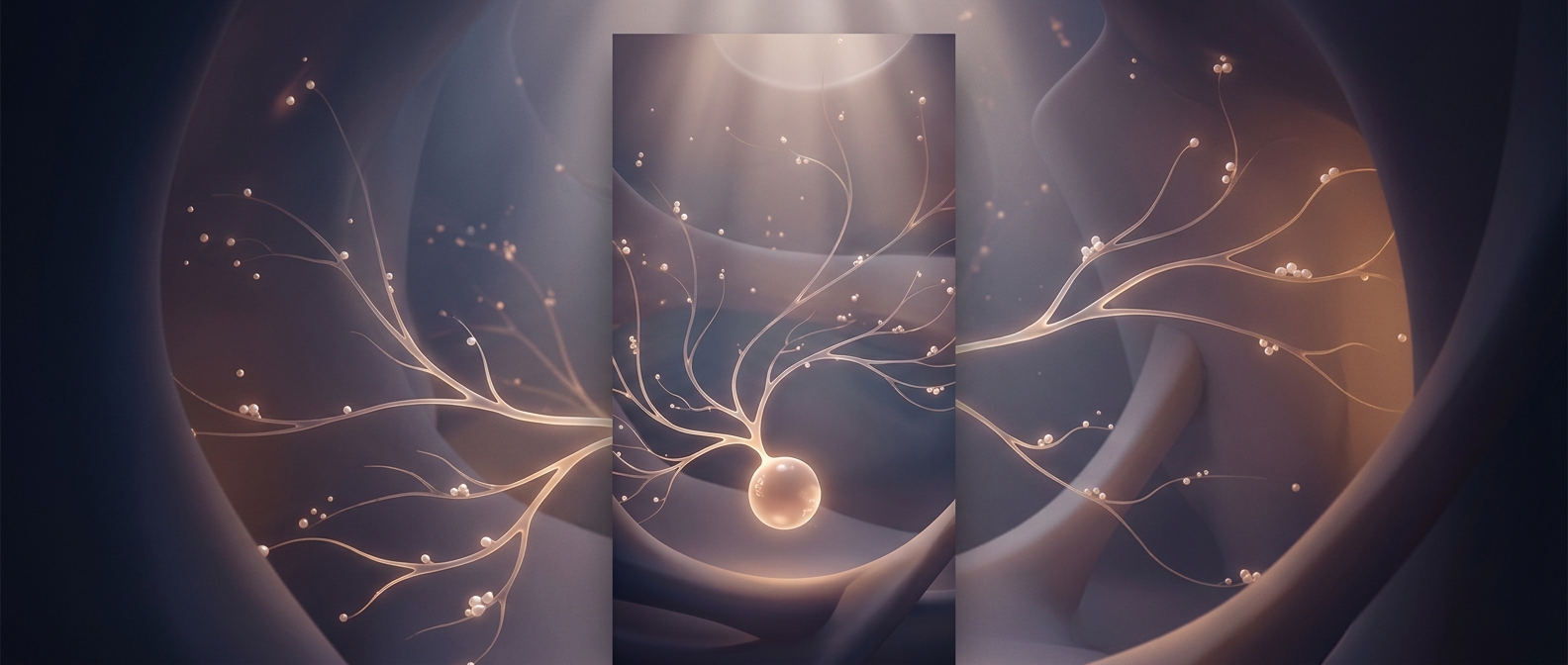
Touch receptors specialize in different kinds of input. Some respond strongly to sustained pressure and fine edges; others are especially sensitive to changing pressure and vibration. Together, their activity helps the brain distinguish a smooth surface from one with a repeated pattern.
That is why the sensation depends on more than the feature’s width. The spacing and shape of the texture, how firmly the finger presses, and whether it slides across the surface all affect the signal. A nanoscale pattern can therefore be perceptible through the larger pattern of forces it creates in the skin—not because the fingertip individually identifies each tiny ridge.
The striking part is that touch can reveal structure far smaller than the nerve endings themselves: the skin acts as a responsive sensor, and the brain infers the surface from the way it pushes back.