Built for More Than One Kind of Road
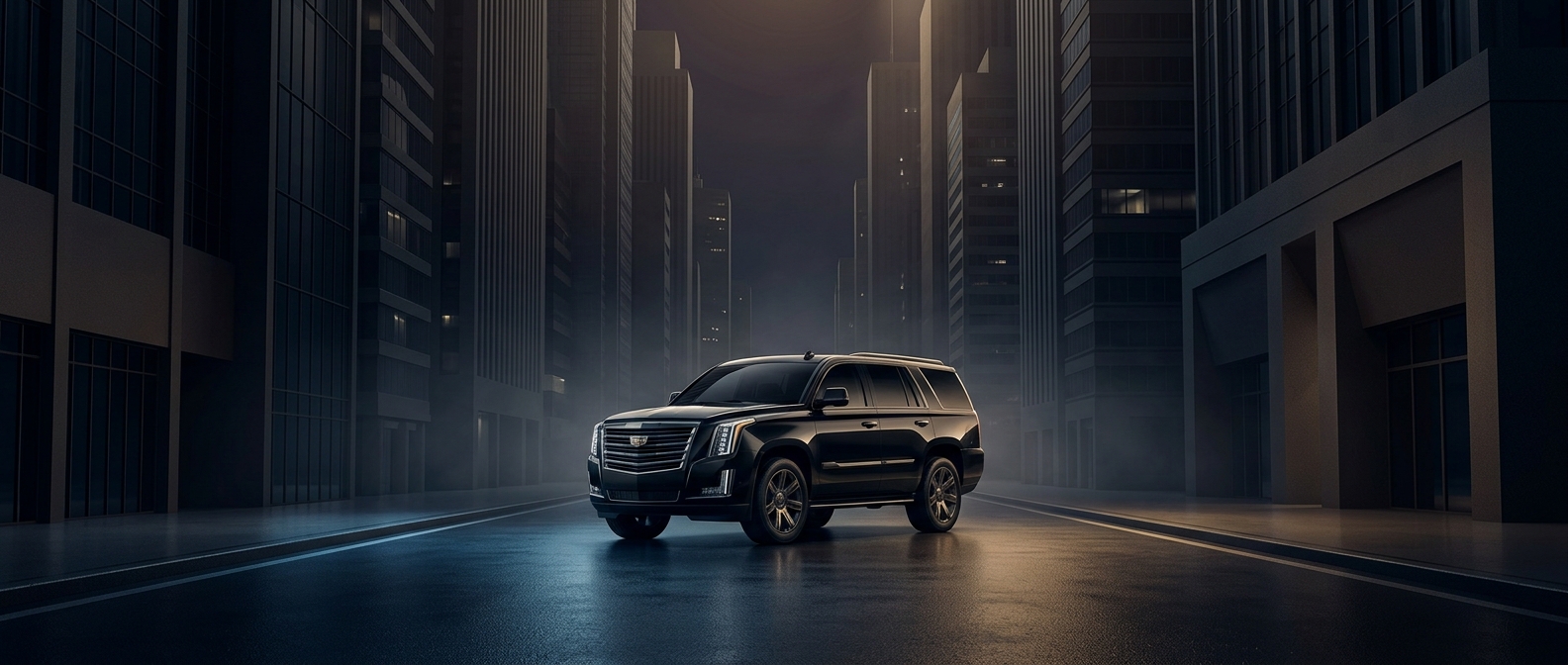
A large SUV is a bundle of compromises. Its height and roomy body can make it useful for carrying people and cargo, while higher ground clearance and available four-wheel drive can help on rough or slippery surfaces. But those same dimensions matter on every routine trip, not just an adventurous one.
A longer, wider vehicle needs more room to turn and park than a compact car. Its driver also has to judge more bodywork when backing into a space or threading between parked cars. Cameras and parking sensors can help, but they do not make the vehicle physically smaller.
The Everyday Cost of the Rugged Image
Off-road capability is most useful when the route demands it; a large footprint is present even when the route is a school run or a commute. That creates a practical mismatch: the features that suggest freedom to travel beyond paved roads can make ordinary streets and parking lots feel less forgiving.
The distinction is not that an SUV cannot go off-road, but that capability and use are different things. A vehicle can be engineered for occasional rough terrain while spending its working life in traffic and parking garages. In those settings, the real test of its size is often not a trail—it is whether the driver can fit comfortably between the lines.