Why a Missing Limb Can Still Hurt
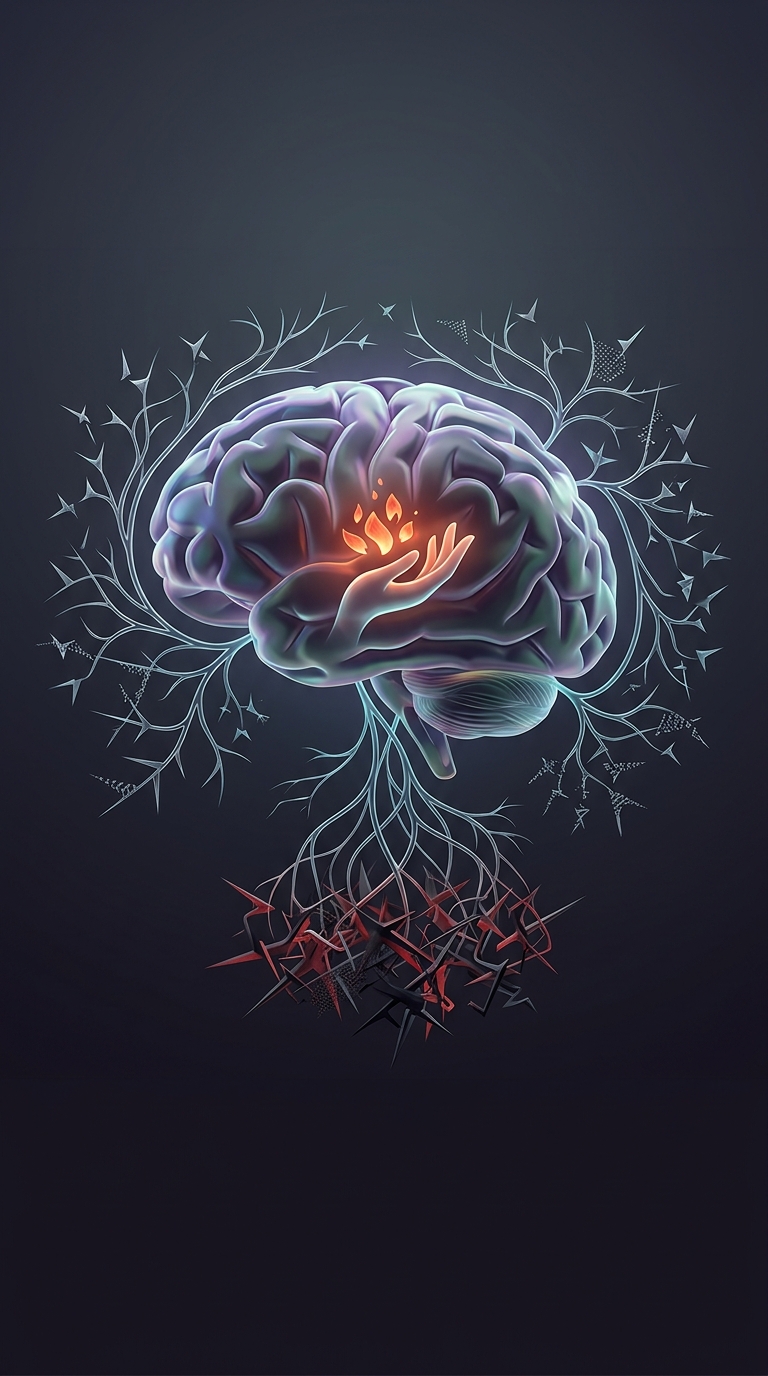
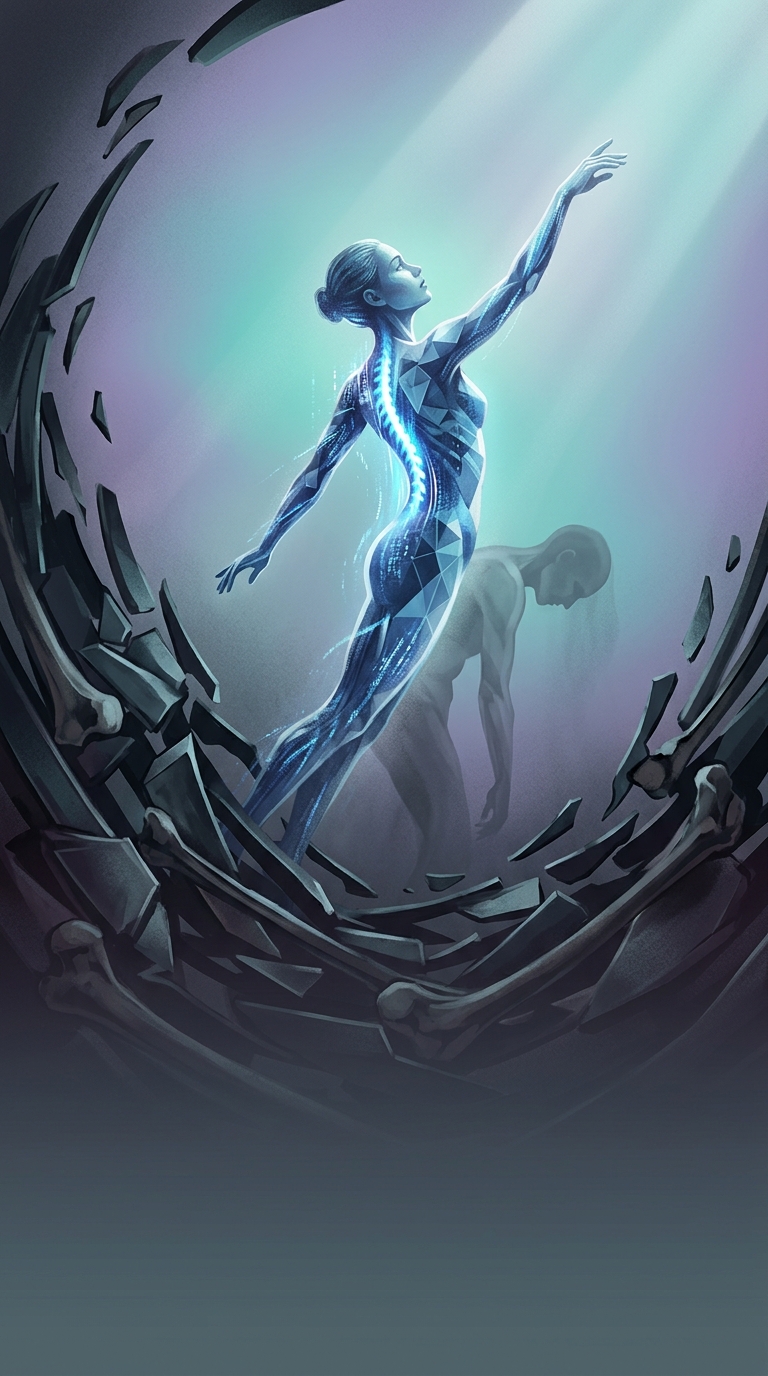
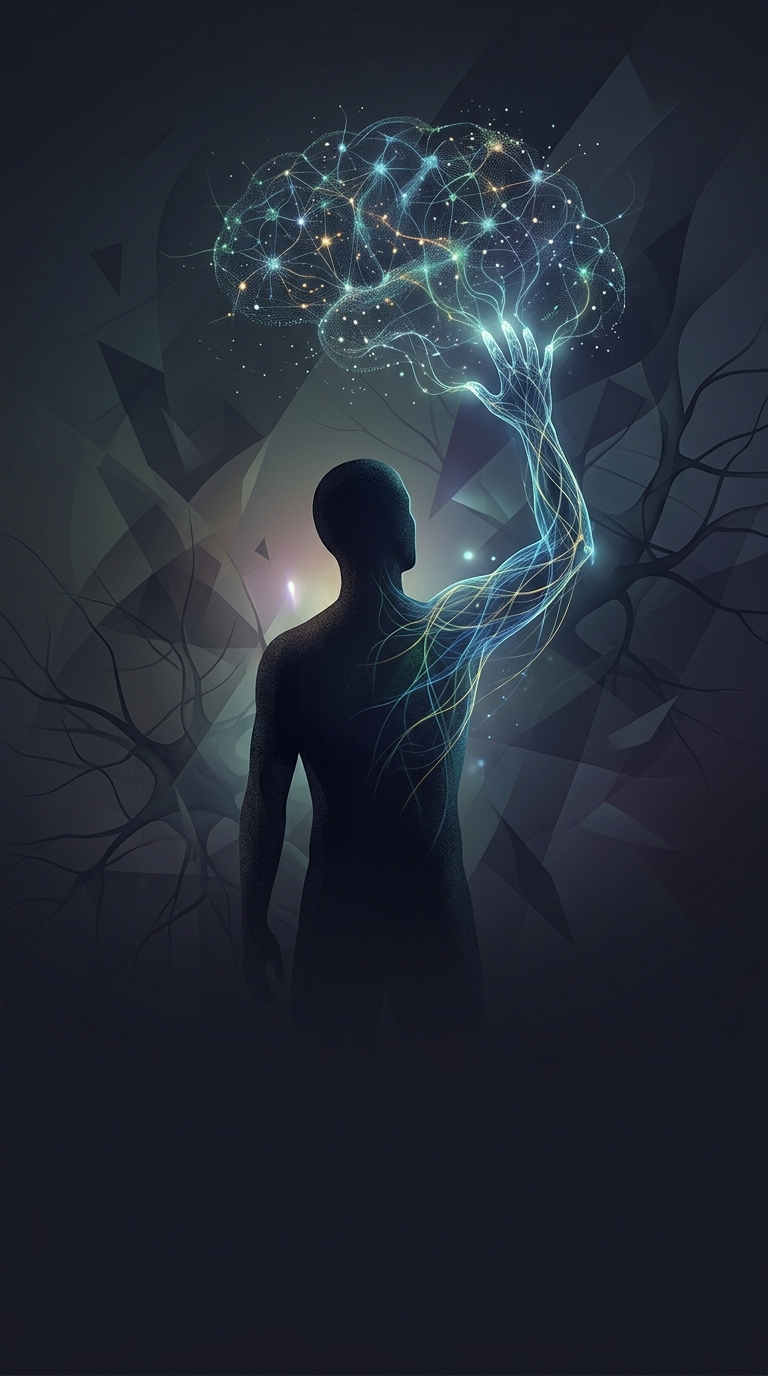
The brain does not simply erase a body part when it is removed. Networks that once processed touch, movement, and pain from the limb can remain active, while the brain’s broader body map continues to represent it. The result can be a vivid sensation—pressure, tingling, itching, or pain—that feels located in the absent hand, foot, or other limb.
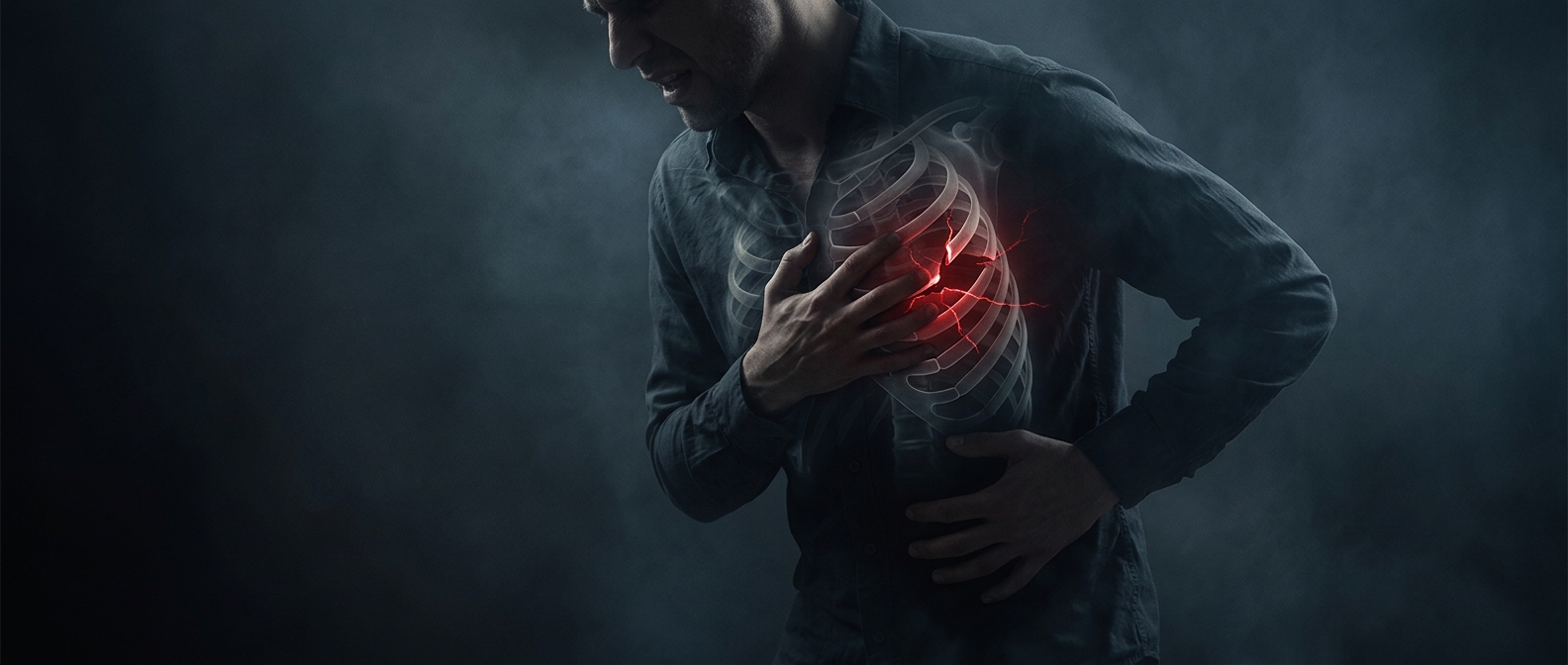
The sensation is not imagined or fabricated. Pain is an experience produced by the nervous system, and it can arise even when there is no longer tissue at the place where it seems to be.
The Brain Is Working With Changed Signals
Before amputation, the brain combines information from nerves in the limb with signals about movement and the body’s position. Afterward, those usual inputs are interrupted. The nerves left behind can still be sensitive, and activity in the spinal cord and brain can contribute to sensations that the brain interprets as coming from the missing limb.
The brain may also have to make sense of a body map that has not yet fully adapted to the change. These processes differ from person to person, which helps explain why some people feel little or nothing while others experience persistent, severe pain. Phantom sensations can include pain, but not every phantom sensation is painful.
Why Scratching Cannot Reach the Itch
An itch in a phantom limb is experienced as if it came from that limb, but scratching the skin elsewhere cannot deliver touch to the missing area. The mismatch between a convincing sensation and the body’s altered signals can make phantom pain especially disorienting.
That distinction matters: the limb is absent, but the nervous-system experience is present. Treatment therefore focuses on changing or managing pain signals and the brain’s interpretation of them—not on treating an injury in the missing limb.