Why a difficult task can soften pain
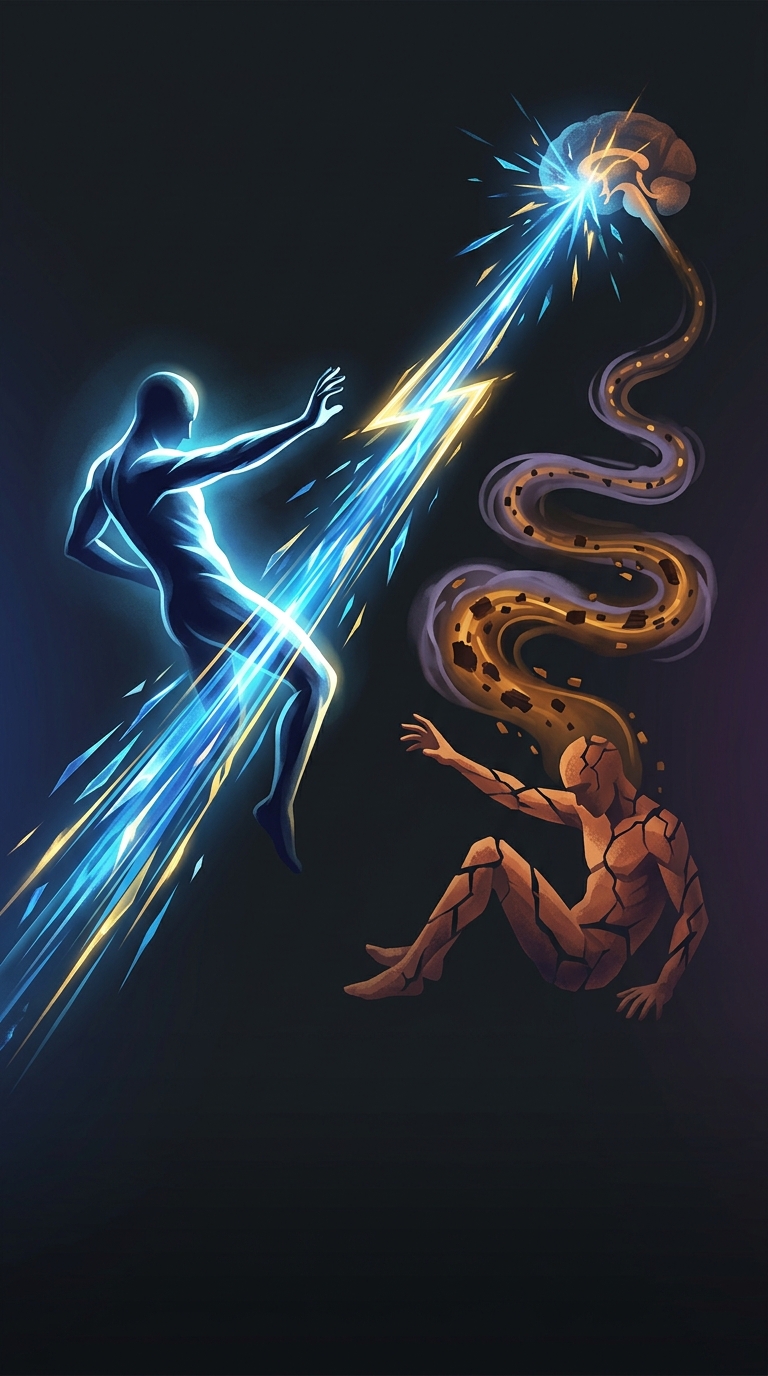
Pain is not a simple readout of injury. Nerves send signals about potential harm, but the brain also weighs those signals alongside attention, expectations, and what is happening around you. A demanding puzzle gives the brain another job: holding clues in mind, comparing possibilities, and choosing a next move. With attention occupied, pain may feel less vivid or urgent.
That shift is about perception, not the disappearance of the underlying signal. Cold water still cools the skin, and the nerves still respond; the sensation simply has to compete for limited attention with the task. This is why someone focused on solving a hard problem might report the ice water as less bothersome than someone waiting and watching for the discomfort.
A change in focus, not a cure
Distraction tends to work best when a task is absorbing enough to hold attention. A routine activity may leave plenty of mental space to monitor discomfort, while a challenging one can make it easier to stay engaged elsewhere. The effect also varies from person to person and from moment to moment: if pain becomes intense or demands attention, it can break through the distraction.
This does not mean pain is imaginary or that concentration can reliably overcome an injury. It shows that the brain’s experience of pain can shift even when the body’s signals have not gone away. The practical consequence is modest but useful: focusing on something demanding may make an uncomfortable moment easier to bear, while the cold—and its effects on the body—remain real.