How a Cover Became a Risky Honor
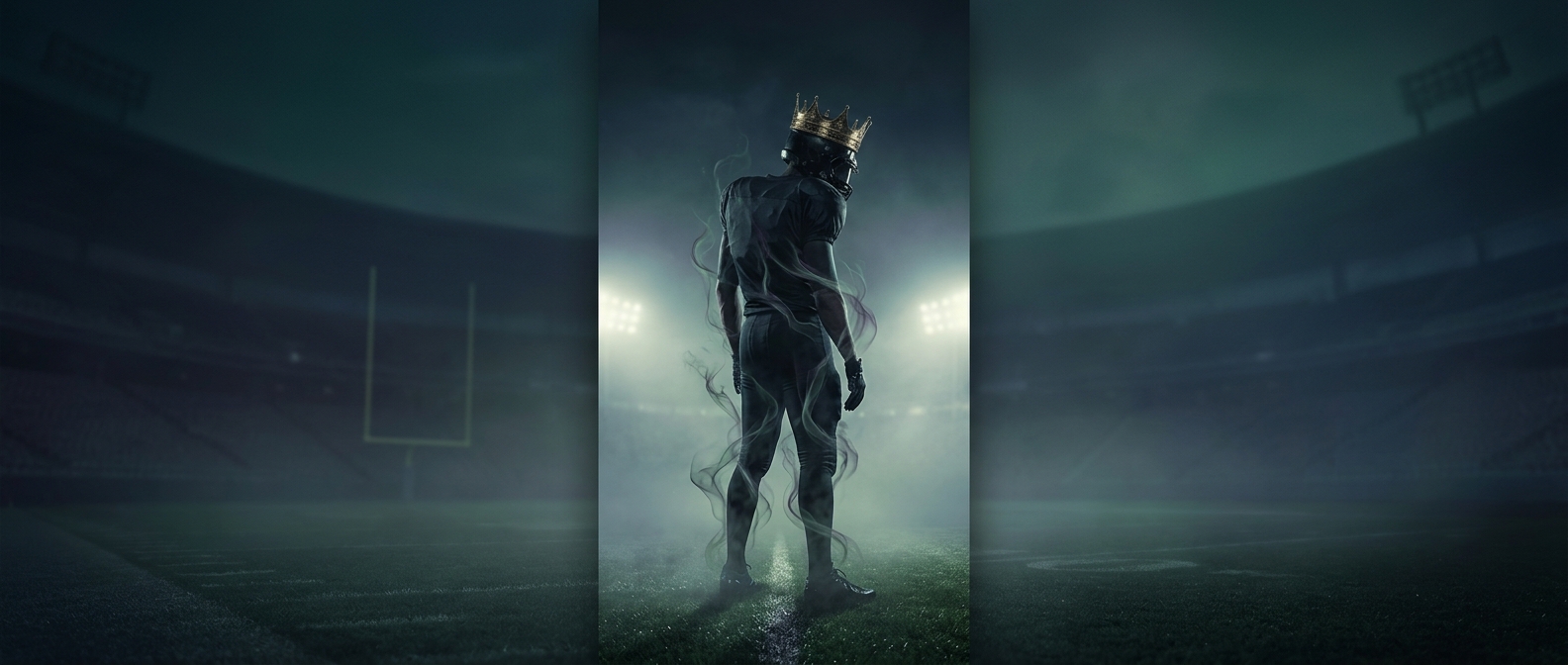
A Madden NFL cover is supposed to celebrate a player at the height of his fame. But when a featured athlete later gets hurt or has a disappointing season, the contrast is hard to miss: the image freezes a moment of triumph, while the next season supplies a new story. Repeated examples have made the cover feel less like a victory lap and more like a tempting target for bad luck.
The Pattern Is Easier to Remember Than to Measure
The “curse” is a fan-made label, not a demonstrated effect of appearing on a game box. Football seasons are unpredictable: injuries happen, performance rises and falls, and even elite players can have an off year. With a prominent cover athlete, any setback becomes unusually visible—and easy to connect to the cover after the fact.
That is a familiar feature of superstition: people notice striking matches and remember them, while the many ordinary outcomes draw less attention. The cover does not need to cause anything for the association to take hold. It only needs to precede a memorable setback often enough for fans to start anticipating the next one.
Visibility Turns Bad Timing Into a Story
The cover gives a player’s season a public before-and-after. A strong year earns the spotlight; a subsequent injury or slump can then seem like a reversal with a single, uncanny trigger. That story is simpler and more entertaining than the actual mix of chance, physical risk, and changing form that shapes a football career.
So the honor comes with an odd narrative burden: the player is celebrated in advance, then watched for signs that the “curse” has struck. The next injury or quiet season may be ordinary football misfortune—but once the cover has become part of the story, it rarely feels ordinary.