Why bigger bodies need more support
Imagine enlarging a donkey without changing its proportions. If every dimension doubled, its volume—and roughly its mass—would grow about eightfold. But the cross-sectional area of its muscles and bones, the part that resists force, would grow only about fourfold. This is the square-cube effect: as an animal gets larger, each unit of supporting tissue must cope with a greater share of the body’s weight.
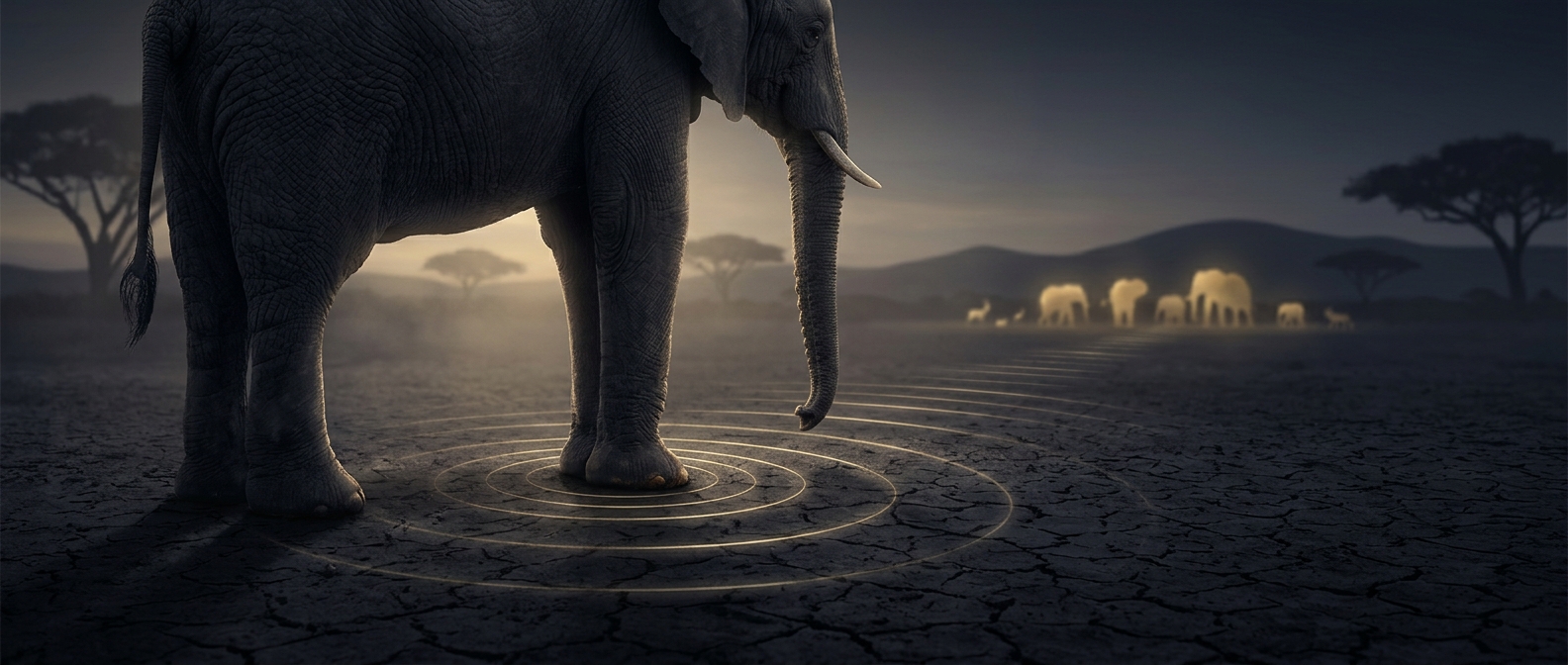
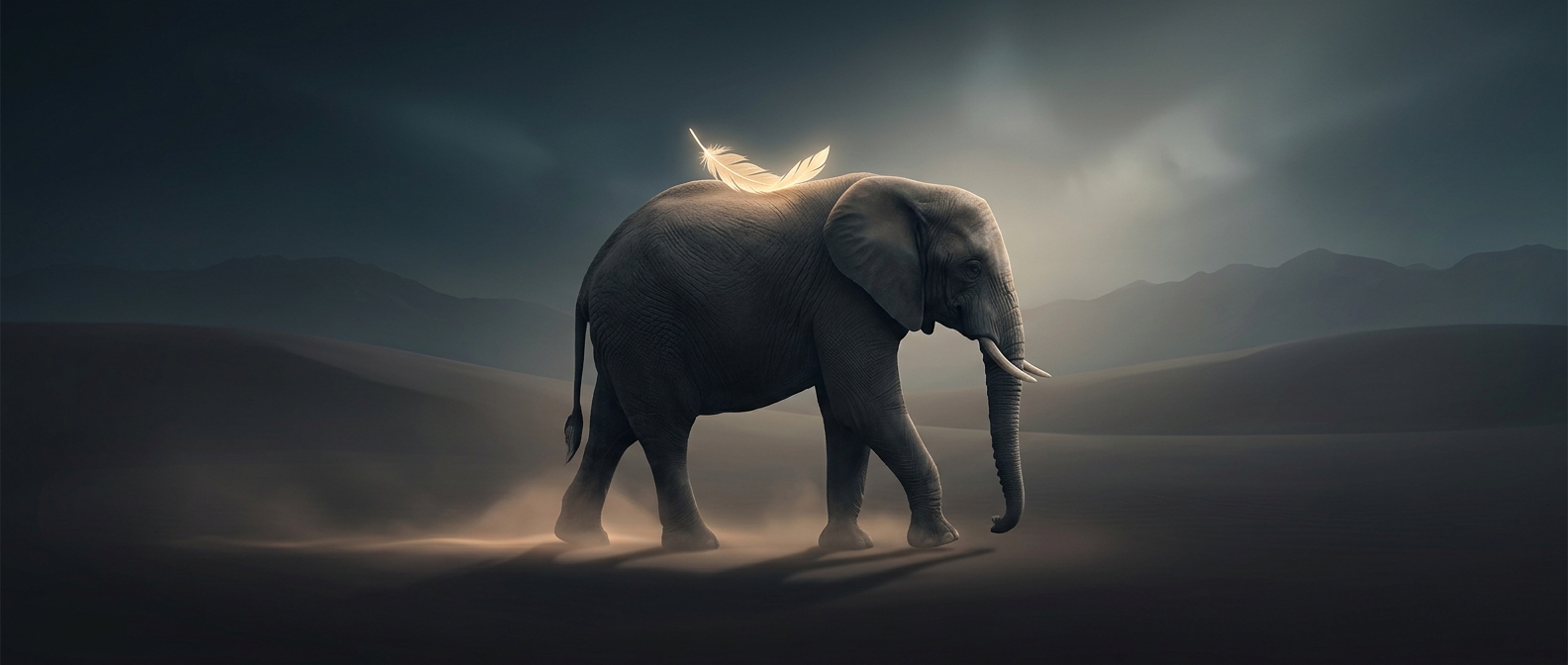
An elephant’s limbs are not simply scaled-up donkey legs. They are built stoutly to support its mass, and elephants move with a steady, comparatively restrained gait rather than relying on the springy leaps of smaller animals. Still, the basic scaling problem remains: adding size raises the demands on the structures that hold the body up faster than it adds their load-bearing area.
The cost shows up in movement and carrying
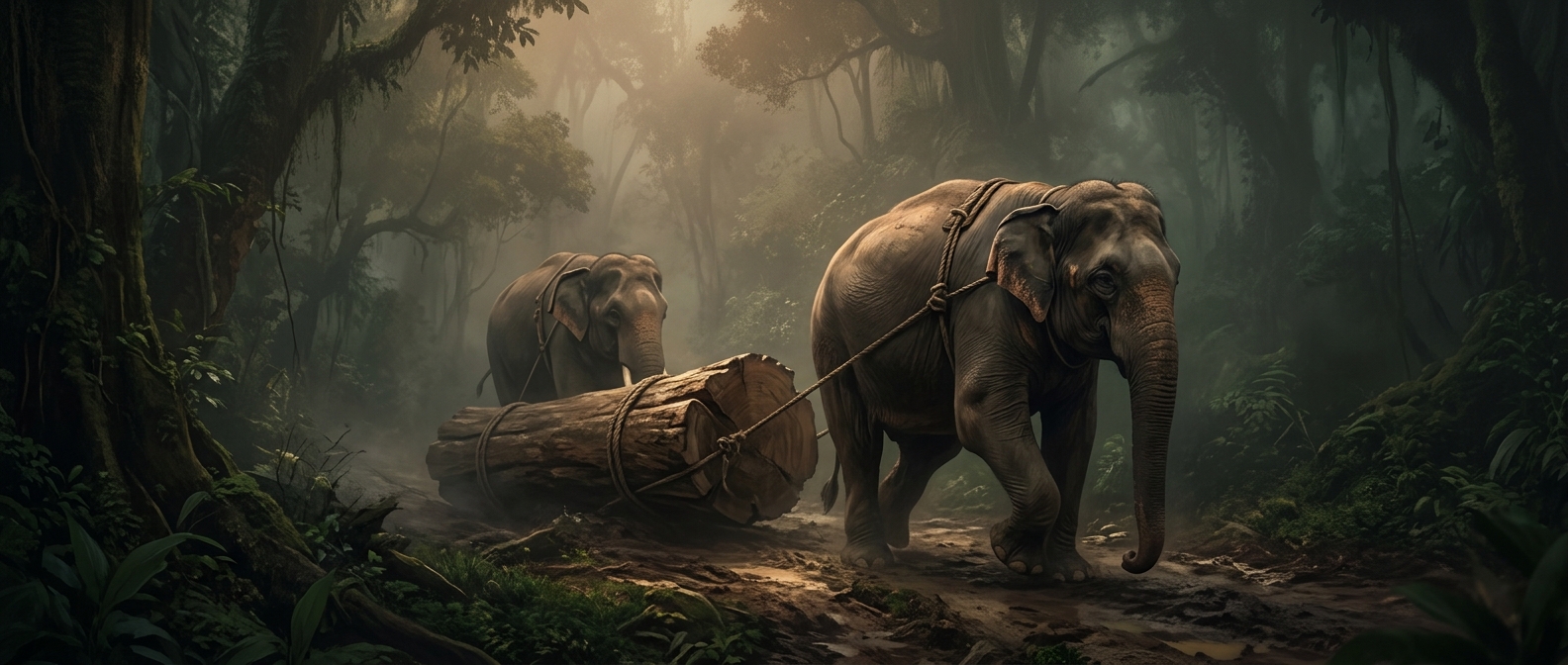
A working animal has to support its own body before it can carry anything else. For a smaller animal, its frame and muscles take up a smaller fraction of the total capacity available for bearing weight. A giant animal devotes more of that capacity to simply standing and moving itself, leaving less room, proportionally, for an extra load.
That is why carrying capacity cannot be judged by looking at an animal’s impressive size alone. The relevant question is how much support remains after the animal’s own weight is accounted for. The same scaling pressure also makes movement costly: every step must manage a large mass, so an elephant’s size brings a substantial ongoing demand for food and energy—not an unlimited ability to haul cargo.