A Camel’s Water Reserve Is Its Bloodstream
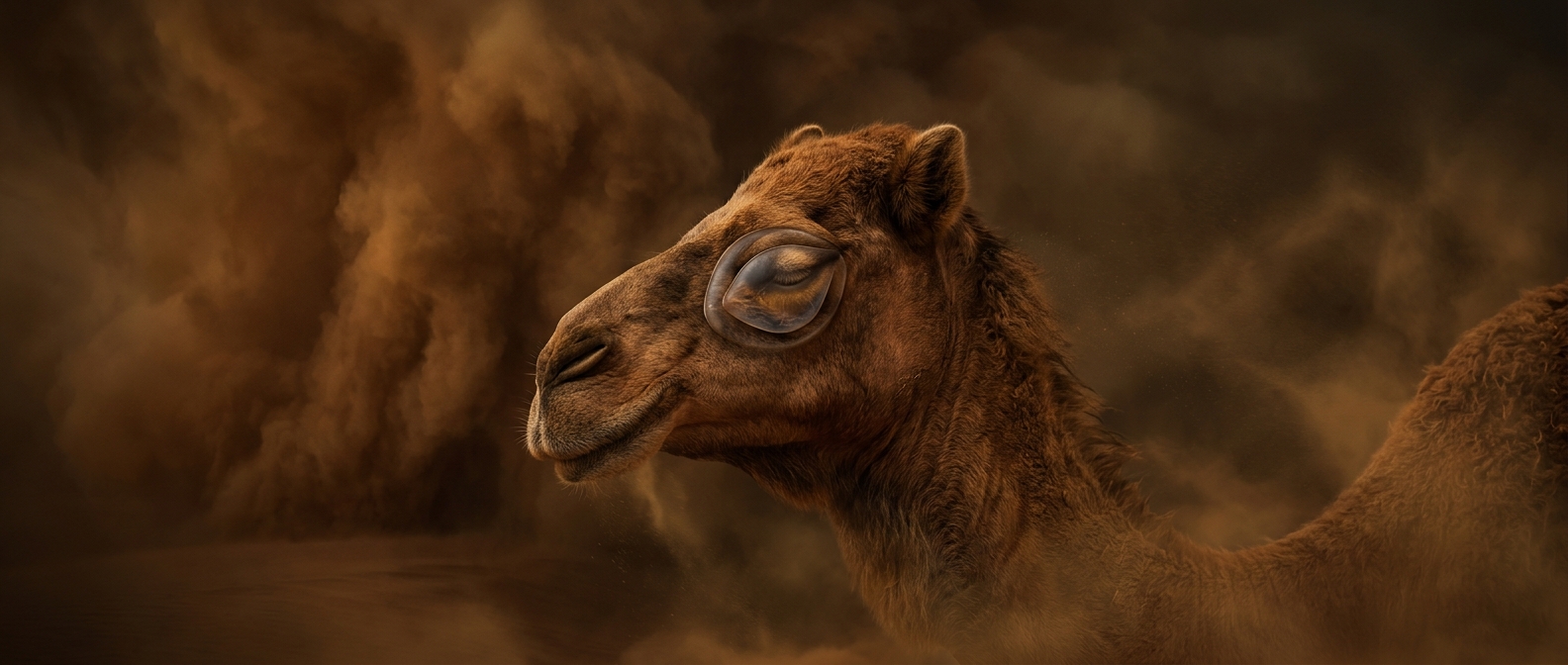
A camel does not carry a tank of water for the trail. Instead, it can drink heavily when water is available, replacing fluid lost during travel. The hump is a store of fat, which can be used for energy; it is not a water reservoir.
The challenge is that a large drink sends water into the bloodstream quickly. Red blood cells normally risk swelling as water shifts into them. Camel red blood cells are oval and unusually flexible, allowing them to tolerate rapid changes in size without bursting. That adaptation helps the animal rehydrate in a short drinking bout rather than needing to sip cautiously.
Hydration Helps Set the Pace
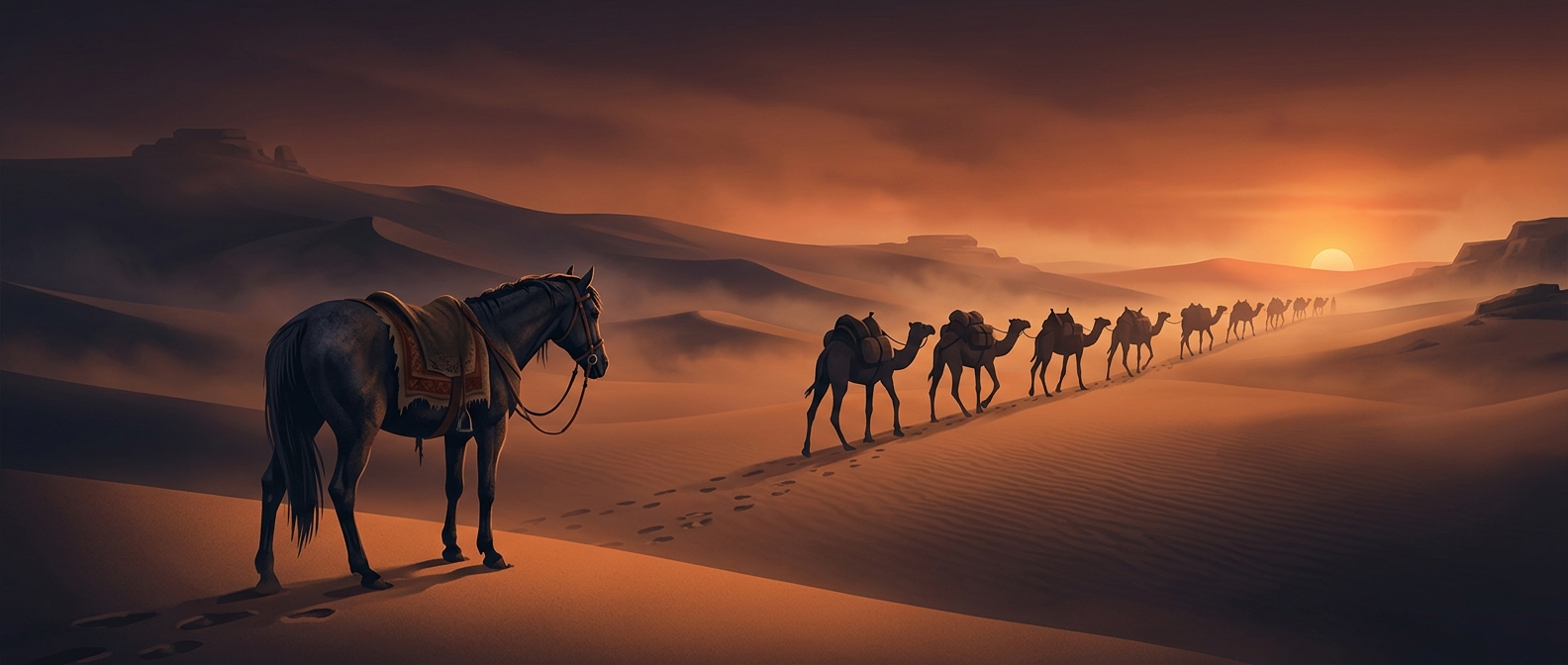
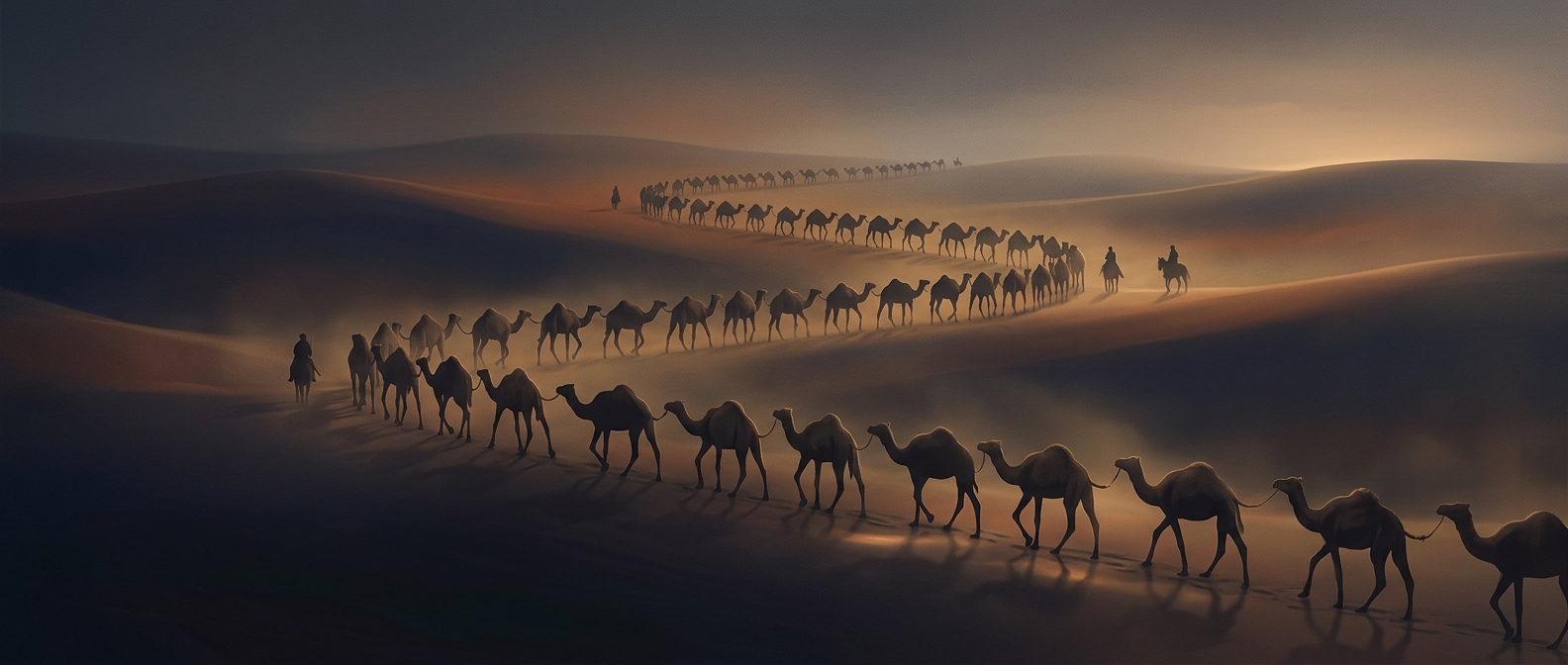
For a working camel, the advantage is logistical: it can take on water at a watering stop and then travel for a long stretch before the next one. Its body also limits water loss, so the drink is not simply passed through and wasted. Together, those traits make scarce water stops easier to manage across dry routes.
The memorable part is not that a camel stores water in its hump, but that it can safely absorb a great deal at once—turning a brief stop at water into preparation for the miles ahead.