stackyFACTS
Transport

Camel humps store fat, not water

HERE’S THE INTERESTING PART

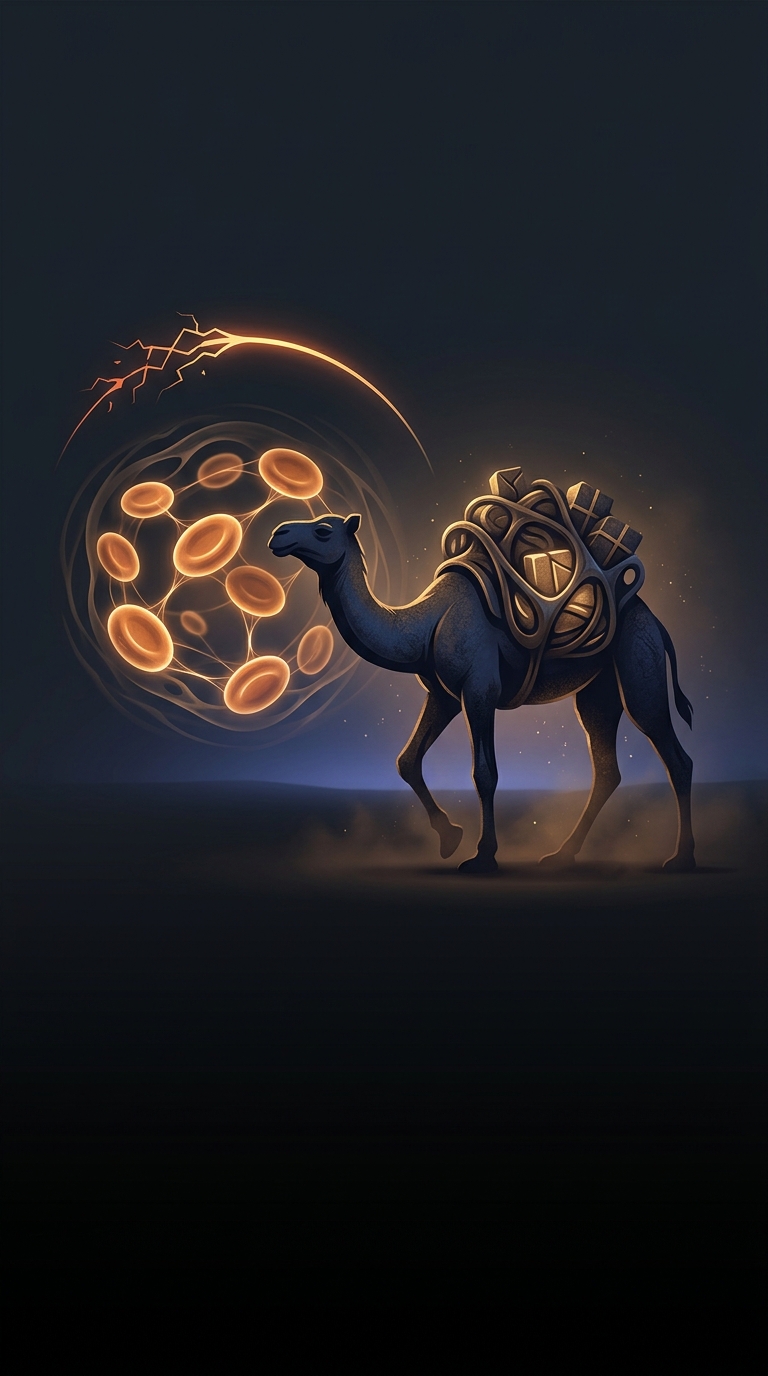
Contrary to popular belief, the large humps on these incredibly grumpy animals do not contain hidden reservoirs of water. Instead, they act as localized fat storage facilities, which metabolic processes slowly break down to provide both hydration and vital sustenance during harsh treks.
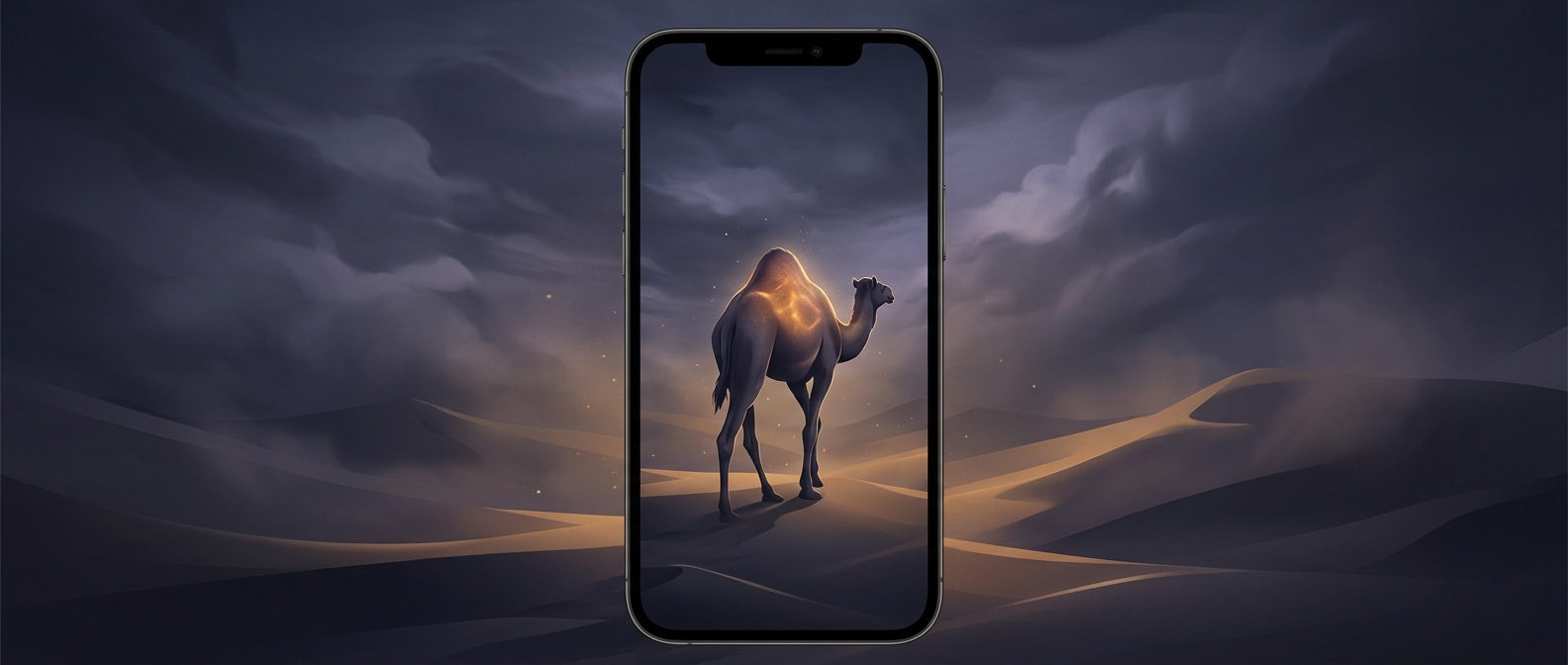
Camel humps store fat, not water
STACKY / Transport
One discovery leads to another.

Keep exploring facts in this topic.

Transport →
STACKY FOR IPHONE

A bigger world.
One discovery
at a time.

Keep discovering with Stacky. Interesting facts in an app that is always within reach.

Download on the App Store
ONE MORE DISCOVERY?

Keep exploring

All in this topic →
Camels have built-in sandstorm goggles
Transport

Camels have built-in sandstorm goggles

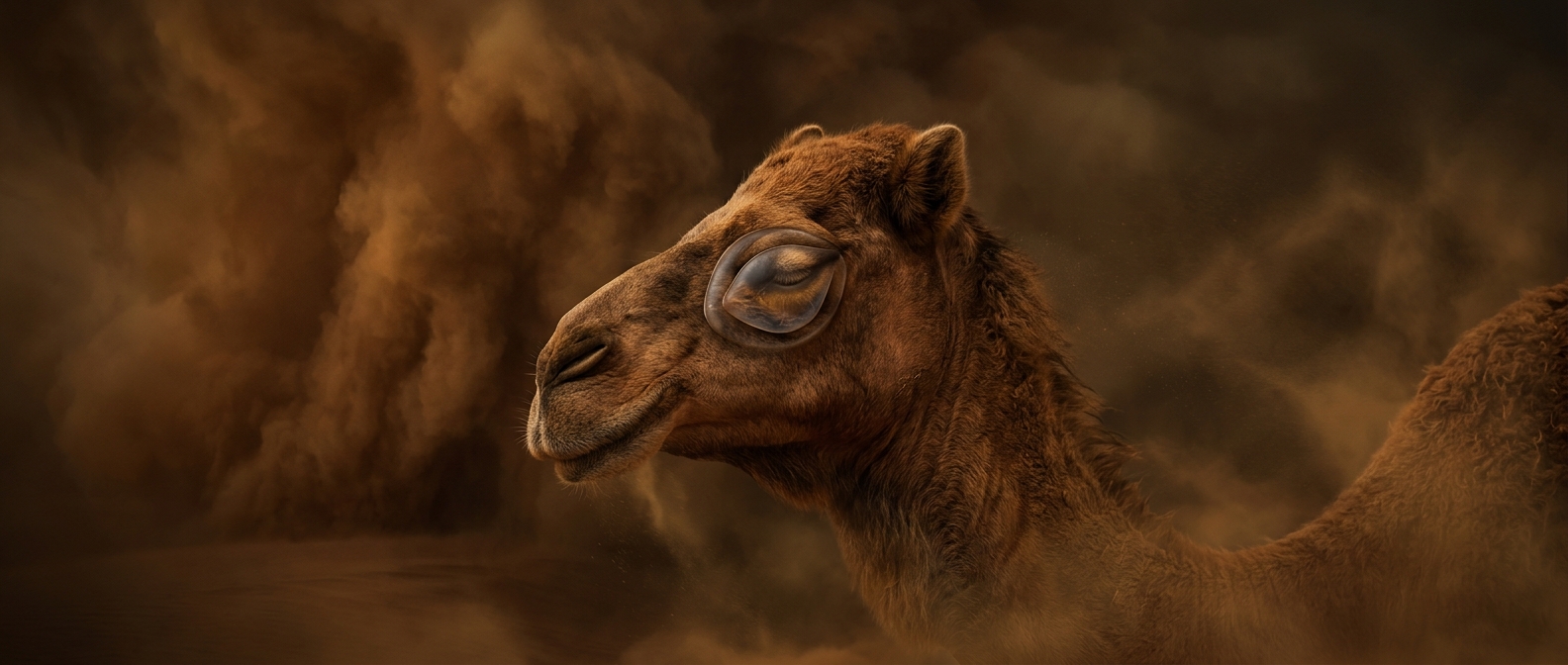
Camels are biological tanks built for the harshest environment possible. Alongside closing their nostrils at will, they have a set of windshield-wiper eyelids…

Discover more
Camels drink massive quantities of water before long treks
Transport

Camels drink massive quantities of water before long treks

They will aggressively chug dozens of gallons in a single sitting before heading into the dry dunes. It is basically the biological equivalent of…

Discover more
Dromedary camels are exceptionally designed biological transport vehicles capable of drinking up to forty gallons of water in a single sitting and carrying heavy cargo across unforgiving deserts.
Transport

Dromedary camels are exceptionally designed biological transport vehicles capable of drinking up to forty gallons of water in a single sitting and carrying heavy cargo across unforgiving deserts.

Dromedary camels are exceptionally designed biological transport vehicles capable of drinking up to forty gallons of water in a single sitting and carrying…

Discover more
Camels replaced horses in the brutal desert heat
Transport

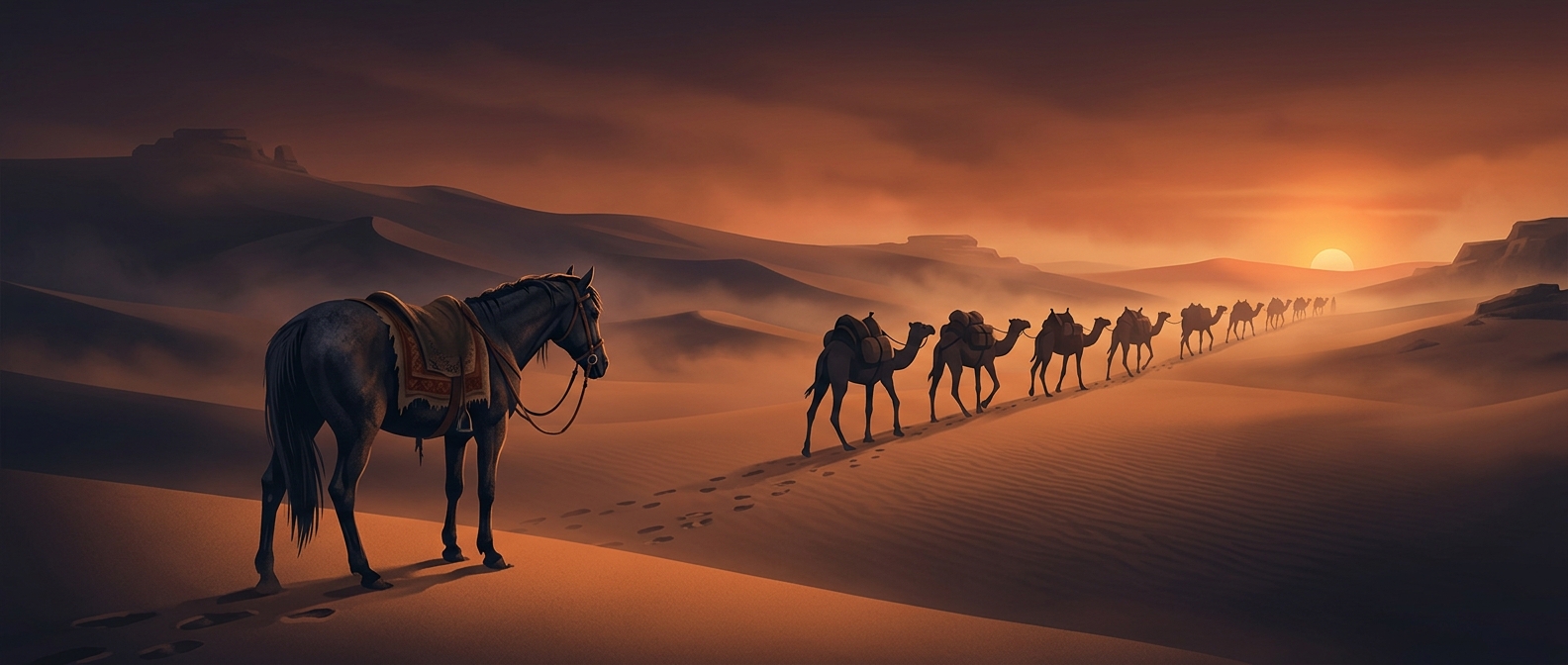
Camels replaced horses in the brutal desert heat

A horse is majestic until it immediately dehydrates and collapses in the Sahara. Camels took over because they can survive losing a quarter of their body…

Discover more
Why yaks refuse free food on the road
Transport

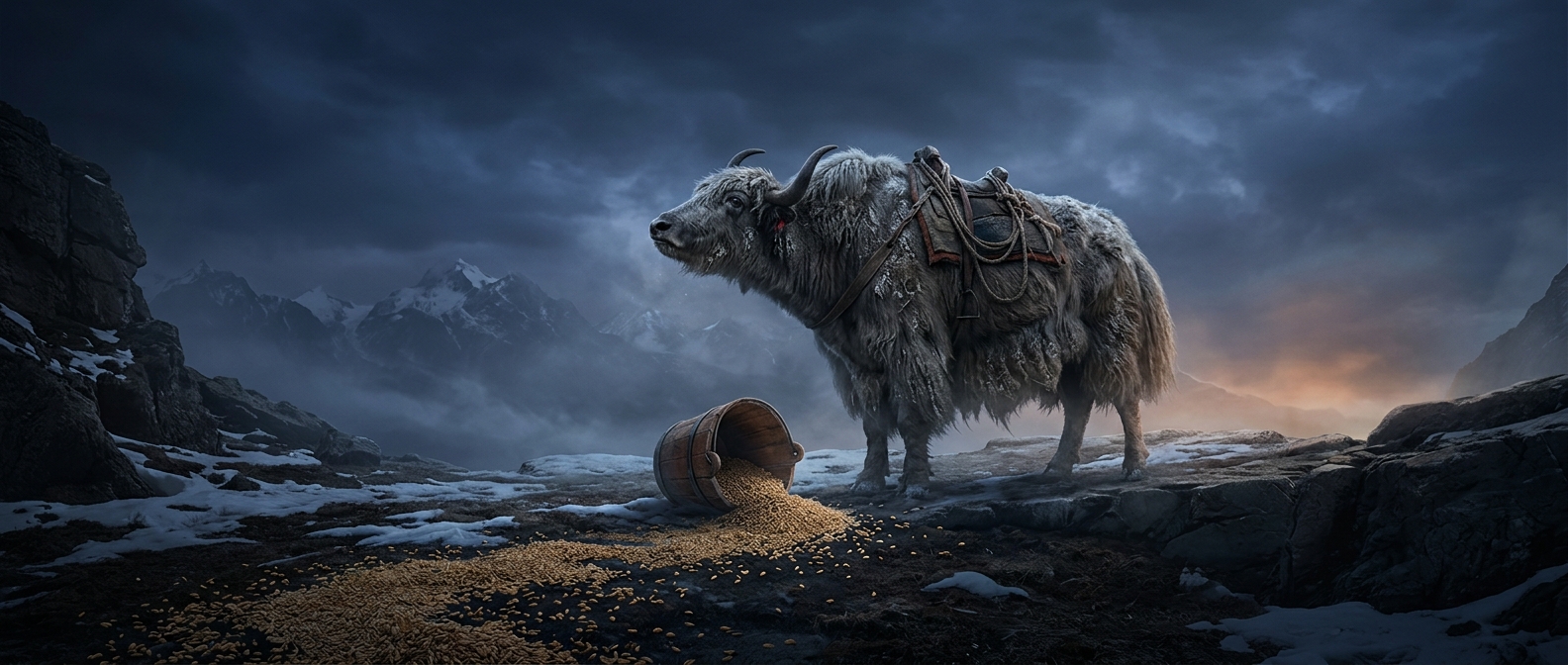
Why yaks refuse free food on the road

While other pack animals happily accept a free meal of oats, these stubborn creatures demand to forage for sparse grass. Hand-feeding them is basically an…

Discover more
Why camel caravans travel nose to tail
Transport

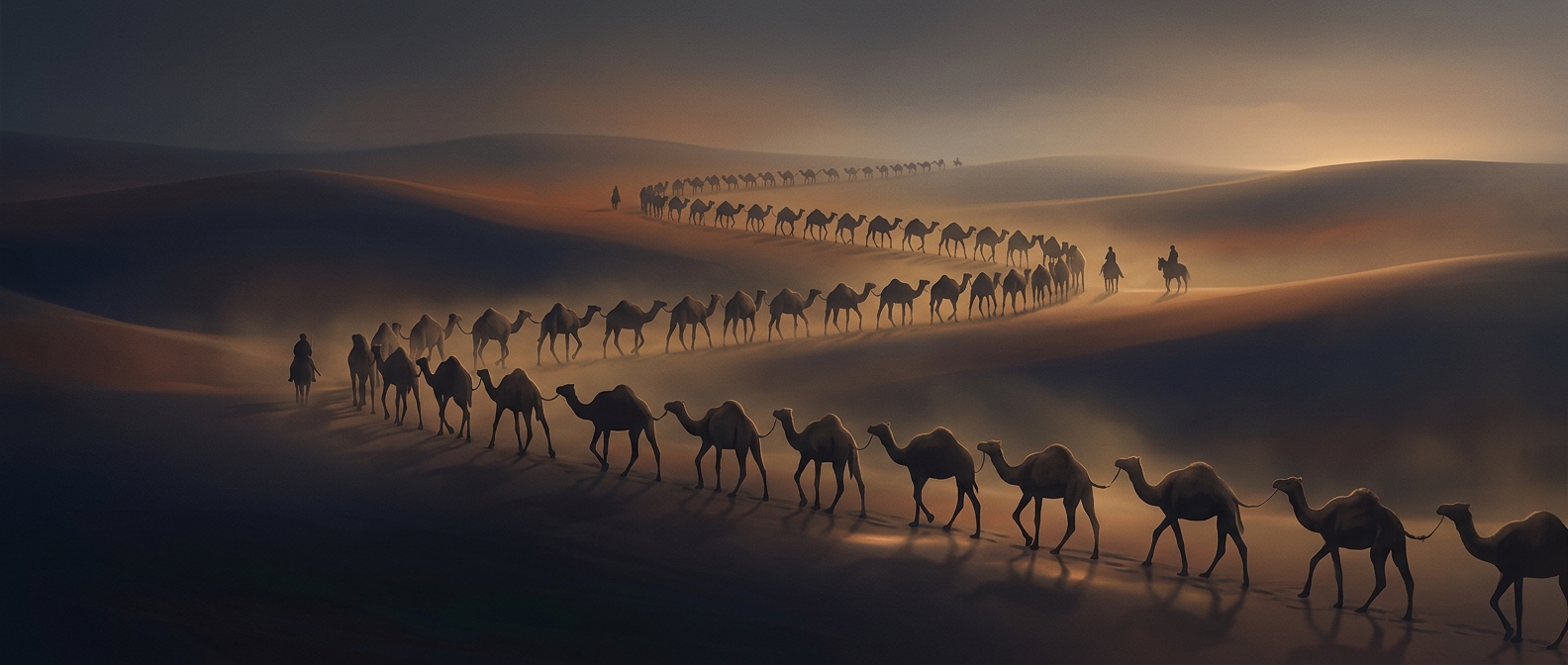
Why camel caravans travel nose to tail

Instead of letting them walk freely, handlers tie the nose of one beast directly to the tail of the one in front of it. It is an incredibly undignified way to…

Discover more
StackyMore discoveries in the app
Download on the App Store