How Tire Wear Becomes Water Pollution
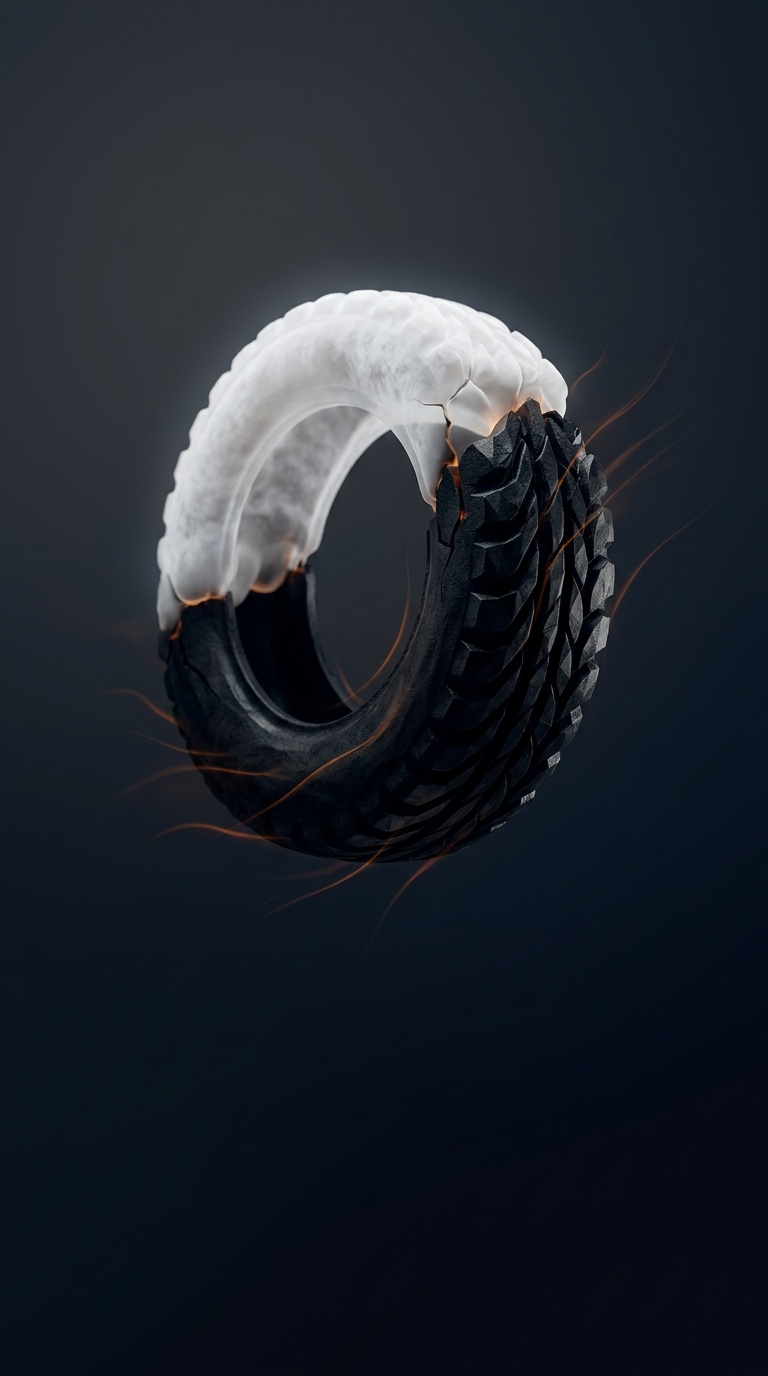
A tire does not shed only when it is visibly damaged. Each turn of the wheel presses rubber against the road; friction and tiny slips gradually abrade the tread. The resulting tire-and-road wear particles are a mixture of tire material, road debris, and other substances picked up from the pavement. Some particles are small enough to count as microplastic pollution.
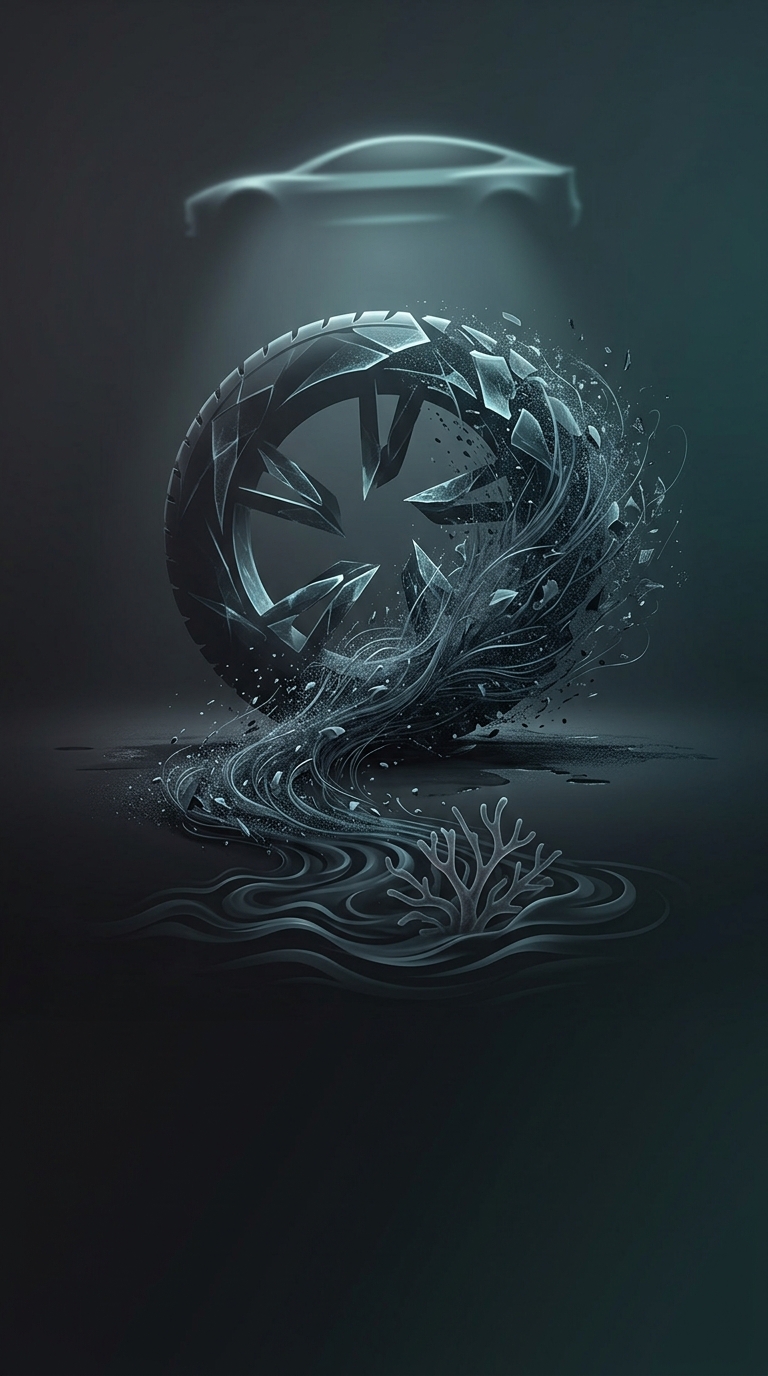
The particles do not simply vanish beside the road. Rain can carry them from pavement into gutters and storm drains, which may discharge into streams or other waterways. Larger pieces can settle in roadside soil, while finer material can travel farther. How much reaches a particular waterway depends on traffic, road surfaces, rainfall, and whether runoff is captured or treated.
Why Vehicle Weight Matters
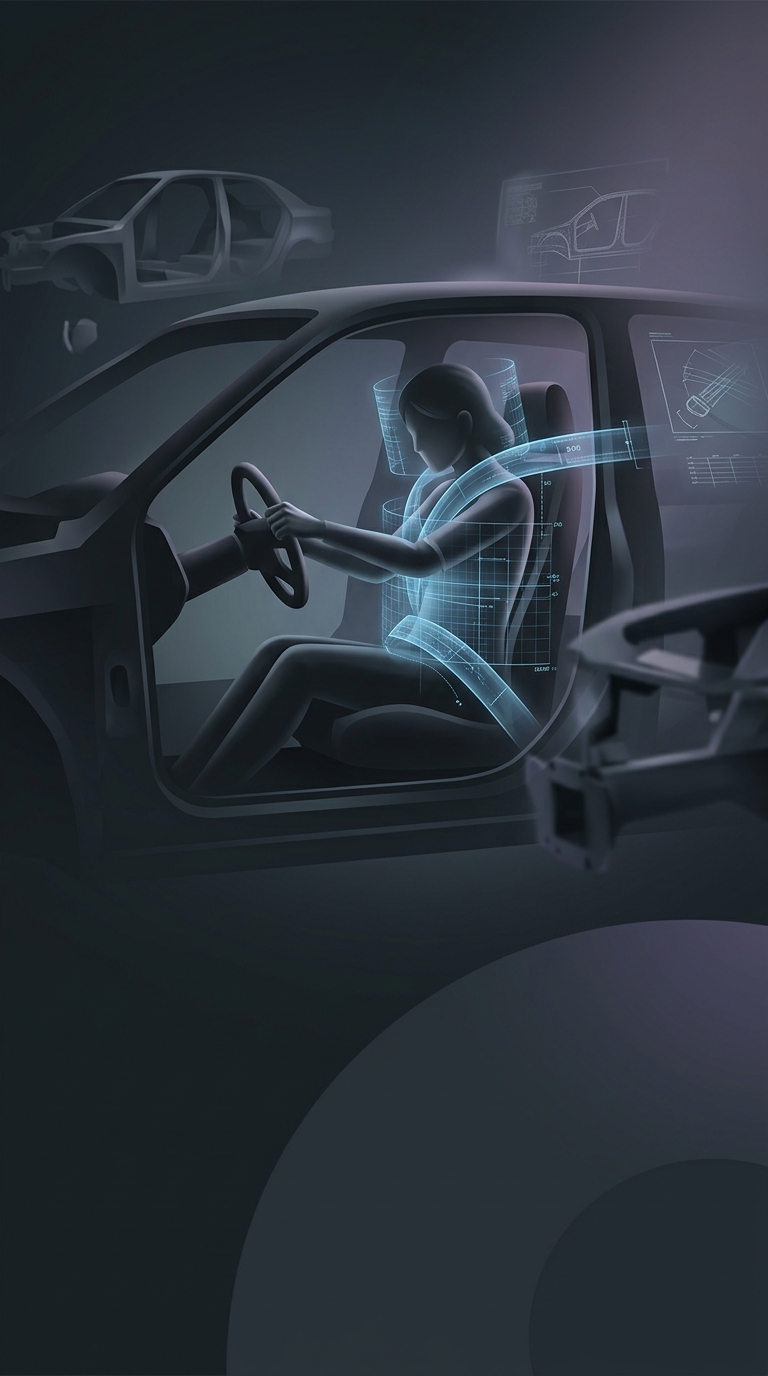
Electric vehicles can be heavier than comparable gasoline-powered cars, partly because of their batteries. More weight can increase the force pressing tires against the road, contributing to wear. Their motors can also deliver strong acceleration, which may add stress if drivers use it frequently. But tire life is not determined by powertrain alone: tire design, inflation, alignment, driving style, and road conditions all matter. Regenerative braking—the motor slowing the vehicle while recovering energy—can reduce brake-pad wear, but it does not eliminate tire abrasion.
That makes tire pollution an issue shared by electric and gasoline vehicles, rather than a problem unique to either. The practical consequence is easy to miss: even when a vehicle produces no exhaust at the tailpipe, its contact with the road can still send material into the surrounding environment.