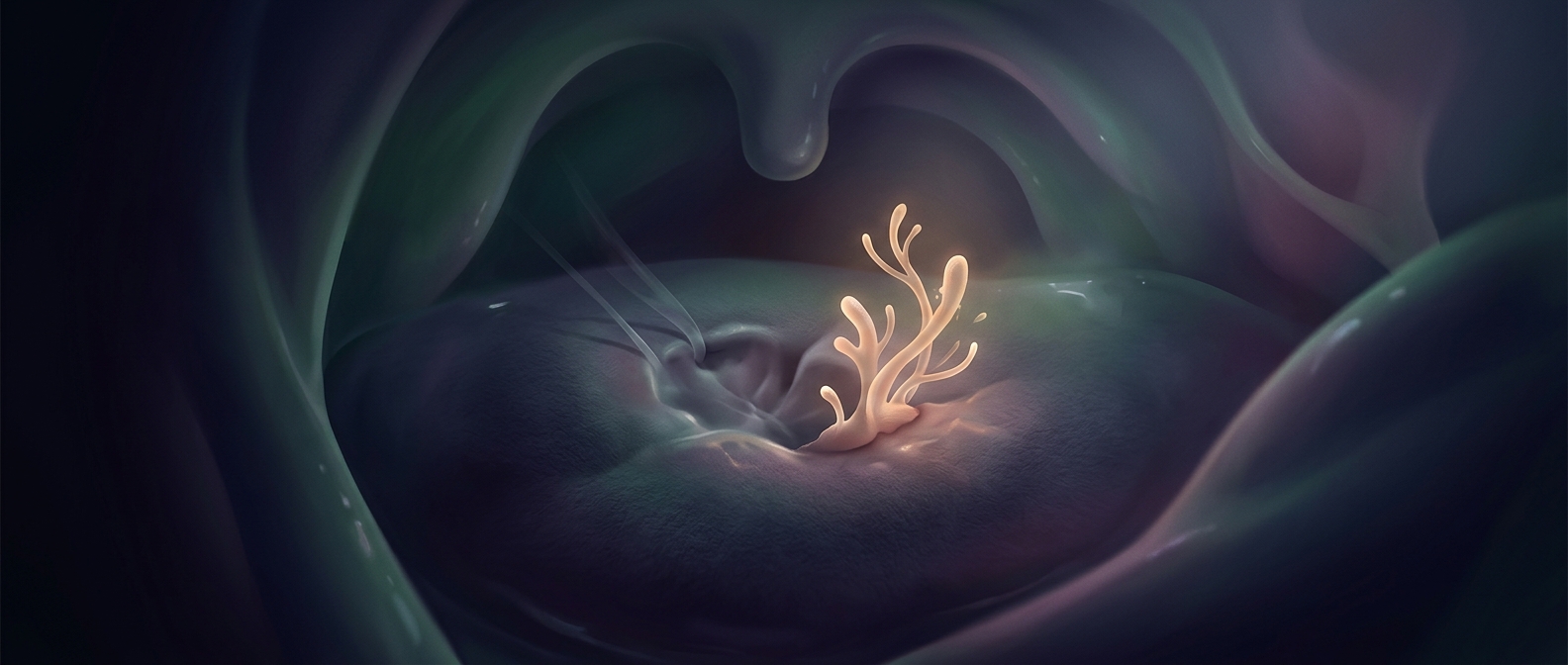
Why a tonsil operation may leave tissue behind
Tonsils sit in shallow pockets at the back of the throat, beside muscles and blood vessels. Removing them means working in a small, delicate space. In some operations, the surgeon removes the tonsil along its outer covering; in others, a thin layer is deliberately left over the underlying muscle. That approach can reduce pain and bleeding, but it also leaves more tissue capable of growing.
Even when the goal is complete removal, tiny remnants can remain in the pocket. The tonsil’s surface is uneven, with folds that make its boundaries less like a clean, separate lump than they may appear in a diagram.
How a remnant can enlarge
Tonsils are made of lymphatic tissue, part of the immune system that helps recognize germs entering through the mouth and nose. A remnant can still respond to immune signals. As a child grows, or as the tissue reacts to repeated exposure to germs, it may become more noticeable. This is regrowth of leftover tissue—not a new tonsil forming from nothing.
A small remnant may cause no trouble. If it enlarges, however, it can contribute to throat discomfort, swallowing or breathing problems, or infections that resemble the symptoms the operation was meant to address. Regrowth does not automatically mean those symptoms will return, and symptoms after surgery can have other causes.
What “removed” means in practice
The amount of tissue left depends partly on the surgical technique and the need to balance symptom relief against risks such as pain and bleeding. If throat problems return, a clinician can assess whether tonsil tissue is involved rather than assuming it has grown back. The practical point is simple: surgery can greatly reduce tonsil tissue without guaranteeing that every cell is gone.