Why a lopsided load becomes a harder load
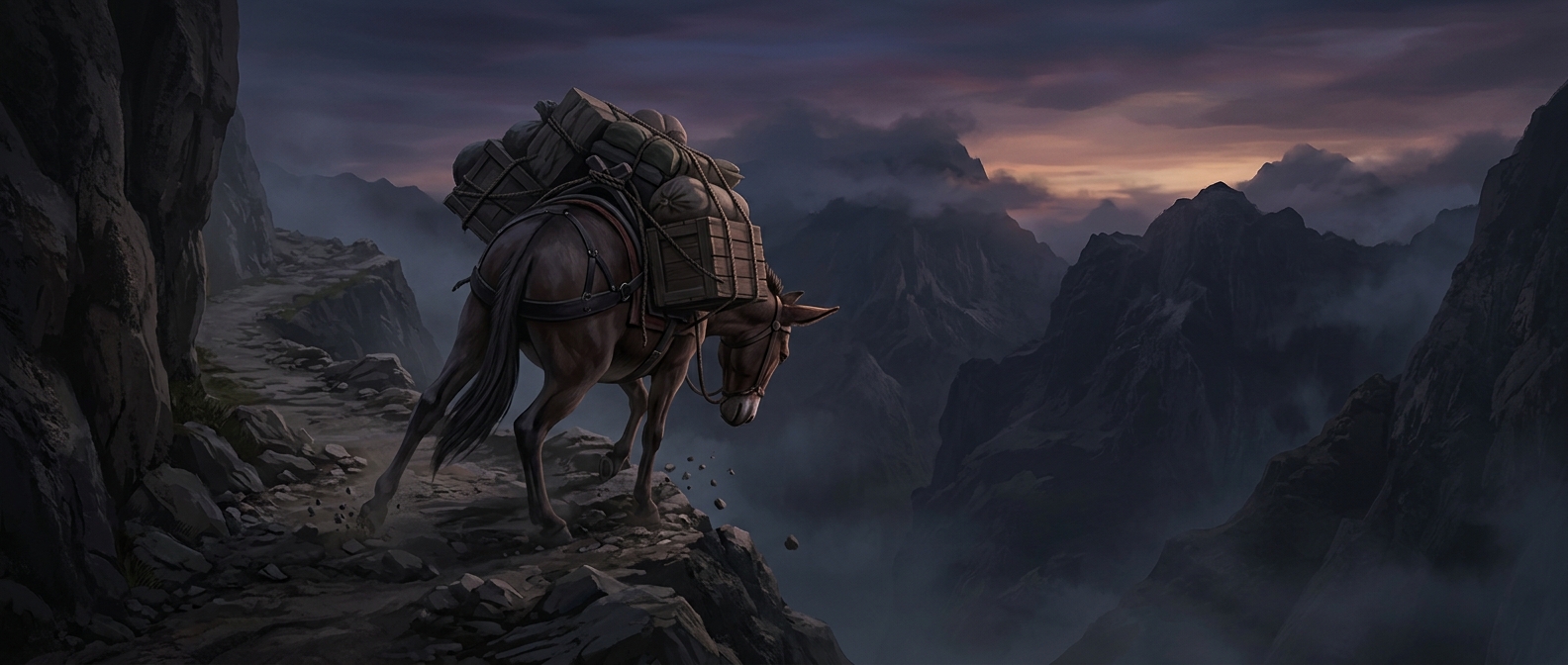
A pack animal’s back is not just a shelf. Cargo hangs above and beside it, and an uneven load creates a turning force, or torque: the heavier side tends to drop while the pack shifts in the opposite direction. The animal must keep adjusting its body to resist that pull, and the load can rub or press unevenly as it moves.
Panniers—bags or baskets carried at the sides—make it possible to divide cargo into two portions. When those portions are similar in weight and sit at similar heights, their turning forces largely cancel. The pack is less inclined to roll, so it is easier for the animal to keep its footing and move steadily over uneven ground.
Balance takes more than matching bags
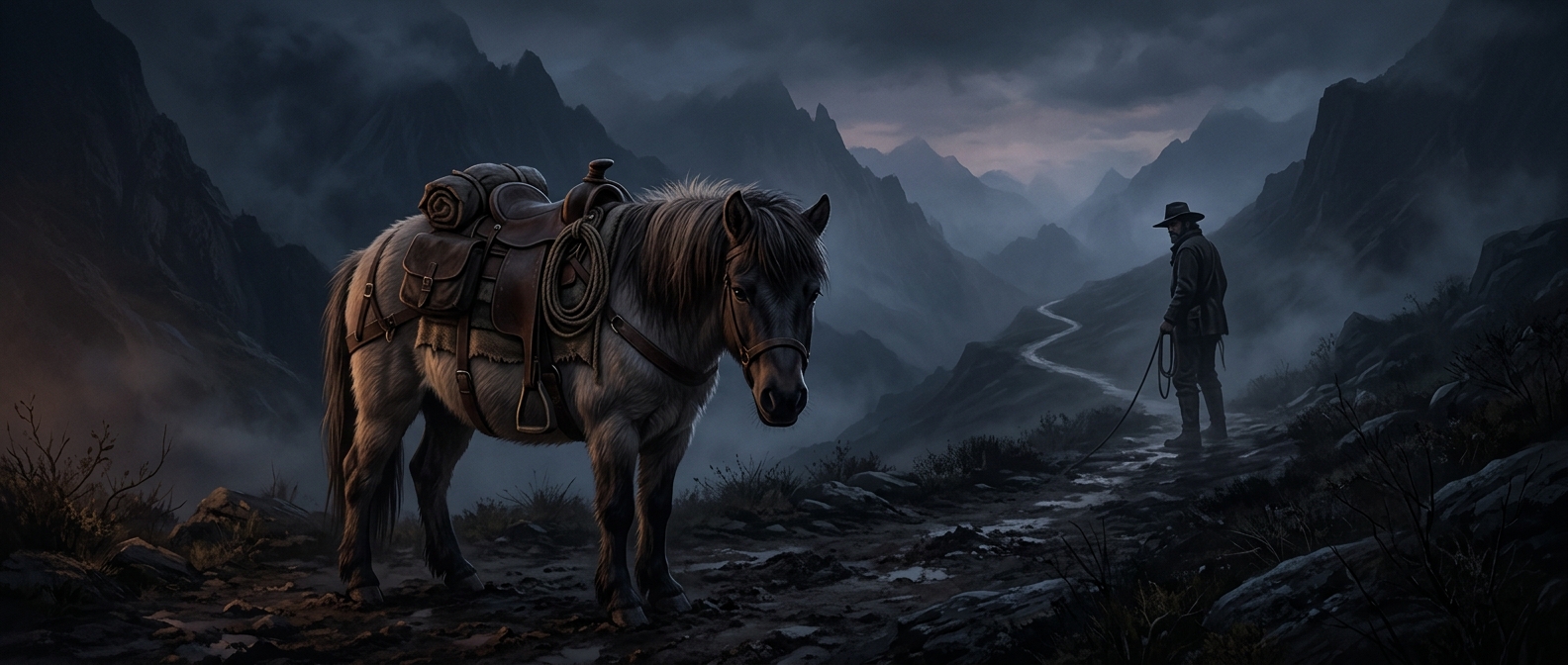
The contents matter as much as the containers. Two panniers that look alike can still differ greatly in weight, and a loose object can slide downhill inside one bag as the animal walks. Pack handlers therefore distribute heavy items deliberately and secure cargo so it does not shift during the trip. They also need to keep the load positioned on the pack saddle—the supportive frame or padding that sits between cargo and the animal—rather than letting it creep to one side.
A balanced pack is not simply a matter of neatness. It reduces the ongoing corrections the animal has to make and helps keep pressure more even. The practical test is visible in motion: if one pannier repeatedly swings lower or the whole pack leans, the load needs attention before the trail gets rougher.