Why a pony may stop at a trail obstacle
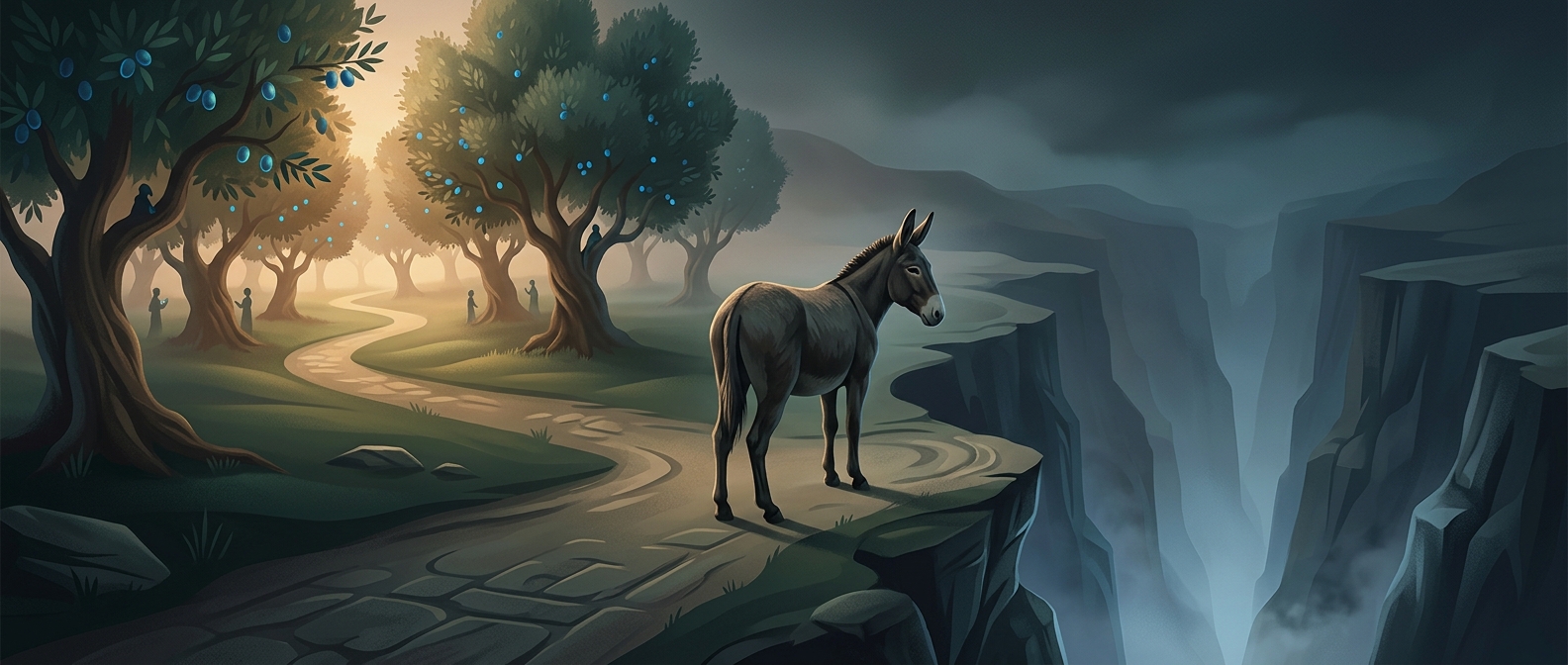
A dark patch, loose stones, a narrow bridge, or water over a path can look different to a horse from the way it looks to a person. Horses rely heavily on vision to assess their surroundings, but their wide-set eyes give them a different view of depth and detail. An unfamiliar shape or uncertain footing may be hard to judge at a glance.
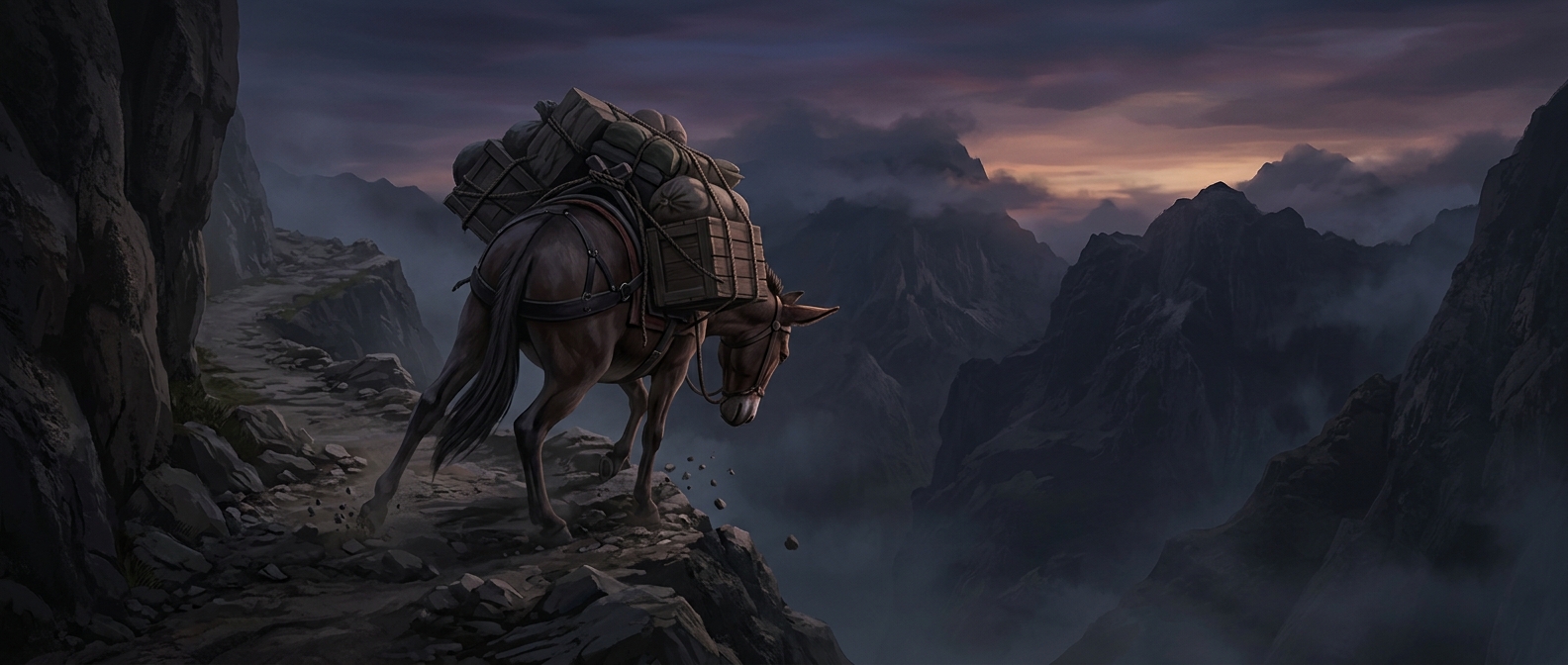
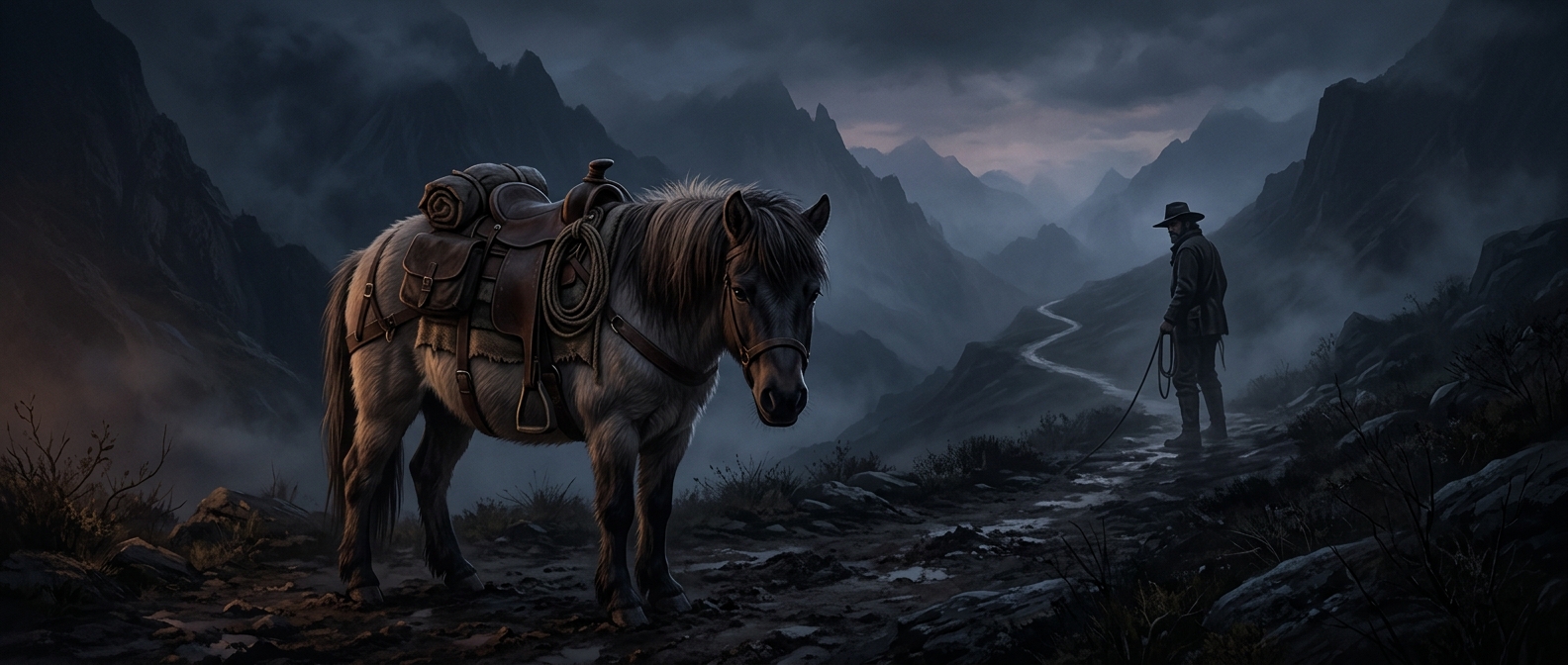
Because horses are prey animals, pausing at something unfamiliar can be a protective response. The pony may lower or turn its head, shift its weight, or wait for a clearer look before placing a hoof. That pause is not proof that it has carefully reasoned through the route; it is a visible sign that it is not yet confident about what lies ahead.
The cost of forcing the issue
On a trail, a hoof misplaced on slick rock or a hidden hole can cause a fall. A rider who treats every pause as defiance and pushes hard may make the animal more anxious, while adding little useful information about the obstacle. Giving the pony time to look—and approaching in a calm, controlled way—can help it decide where to step.
That caution is useful, not infallible: a pony can misjudge safe ground or refuse for reasons other than fear. But the stop changes the rider’s task. Instead of simply urging the animal forward, the rider has to assess the footing too; sometimes the safest route is to wait, find another way, or get off and lead.