Why a Llama May Sit Down Under a Load
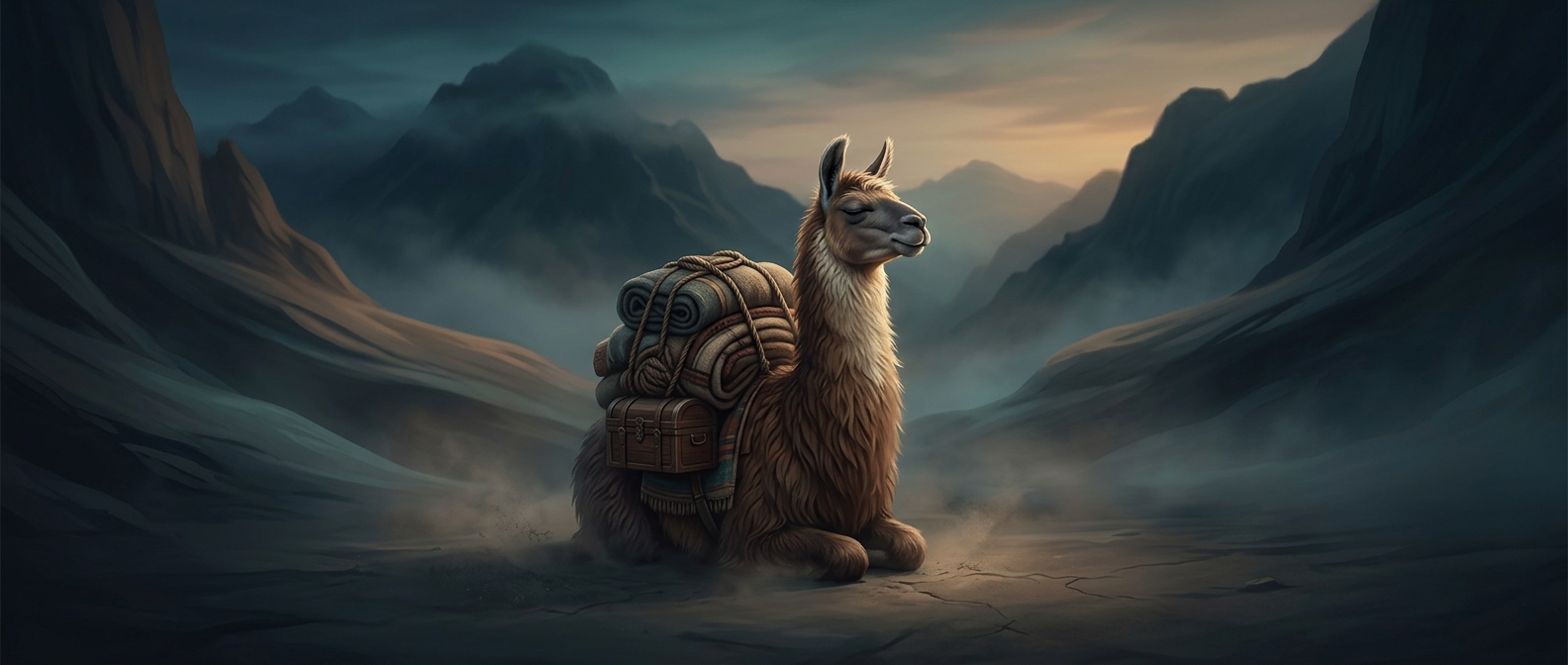
A pack llama that feels it has had enough may stop and lower itself to the ground. Once it is down, it is difficult to persuade it to rise while the burden remains—a very visible refusal that gives a handler a reason to check the load rather than simply push on.
The response is not a calibrated weight alarm: sitting can also reflect fatigue, discomfort, or reluctance. But it can make carrying too much a losing bargain. A llama that will not stand cannot keep transporting the pack, so the person accompanying it has to address the problem.
The Load Has to Fit the Animal
Pack weight is only part of the strain. A poorly fitted saddle can press or rub, and an unbalanced load can shift as the animal walks, making the journey harder and potentially causing injury. Steep or rough ground adds further effort. Handlers therefore need to distribute the load evenly, watch the animal’s movement, and reduce or adjust the burden if it seems uncomfortable.
That is why the llama’s dramatic sit-down is useful, but not a substitute for good packing. It turns a hidden limit—how much strain the animal can comfortably bear—into a problem nobody on the trail can ignore.