A landing close enough to reach on foot
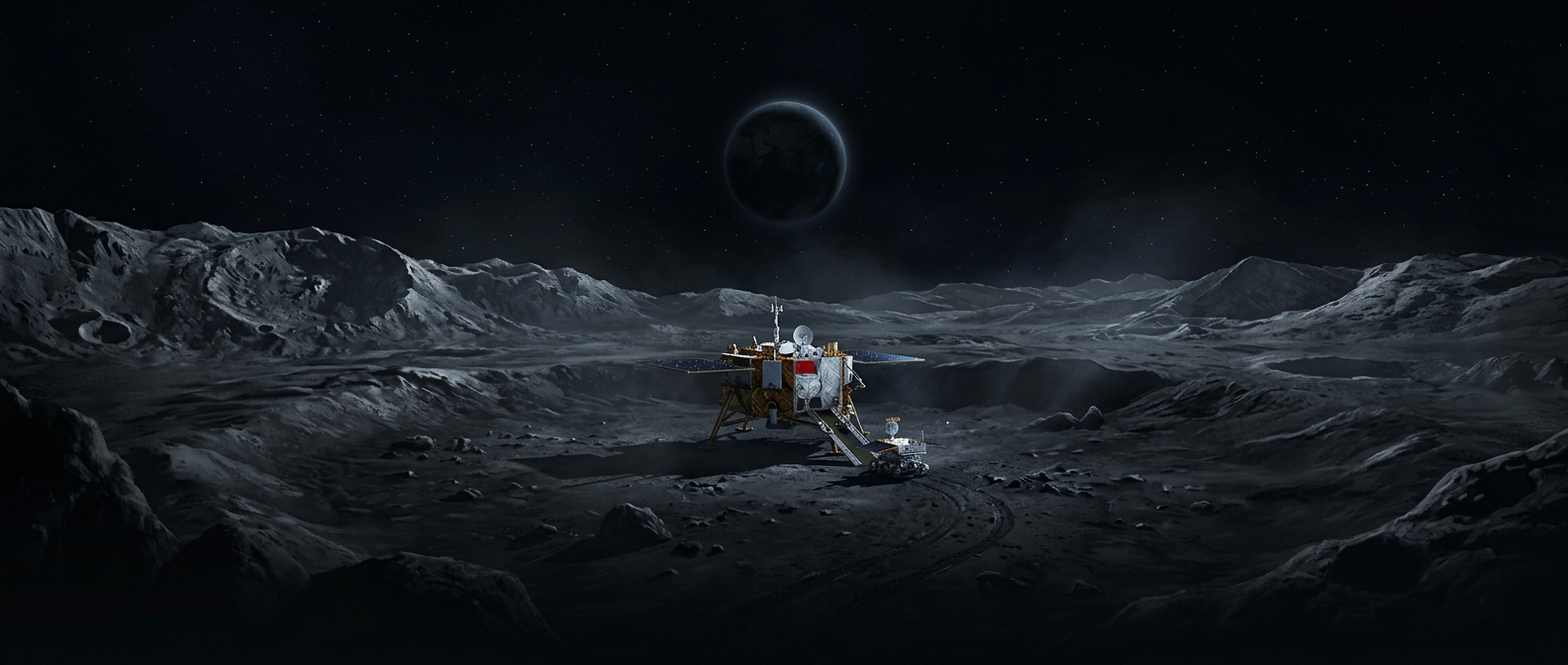
Surveyor 3 had been sitting on the Moon since April 1967 when Apollo 12 arrived in November 1969. The probe had helped prepare the way for human exploration by showing that a spacecraft could land on the lunar surface and by sending back images and measurements. Apollo 12’s landing near it put that earlier hardware within reach of astronauts—not just within camera range.
The proximity was a demonstration of precision landing. Apollo’s crew could steer toward a chosen region, but the final touchdown still depended on reading the terrain and making corrections during descent. Landing near Surveyor 3 showed that a crewed spacecraft could reach a planned site closely enough to investigate a specific object there.
What the astronauts brought back
Charles “Pete” Conrad and Alan Bean hiked to the probe during their moonwalks. They removed its television camera and other components, along with nearby material, and carried the hardware back to Earth. This was not a repair mission: the goal was to recover equipment that had spent more than two and a half years exposed to the lunar environment.
Back on Earth, engineers could examine how the probe’s materials and mechanisms had fared under lunar conditions. A camera viewed in place could show whether it still worked; a returned camera could be taken apart and inspected. That distinction made Surveyor 3 a rare chance to study the physical effects of a long stay on the Moon.
The result was a lunar landing with a second, unusually practical task: Apollo 12 reached a machine sent ahead years earlier, then brought part of it home for close examination.