Why a Reindeer Team Must Learn to Move as One
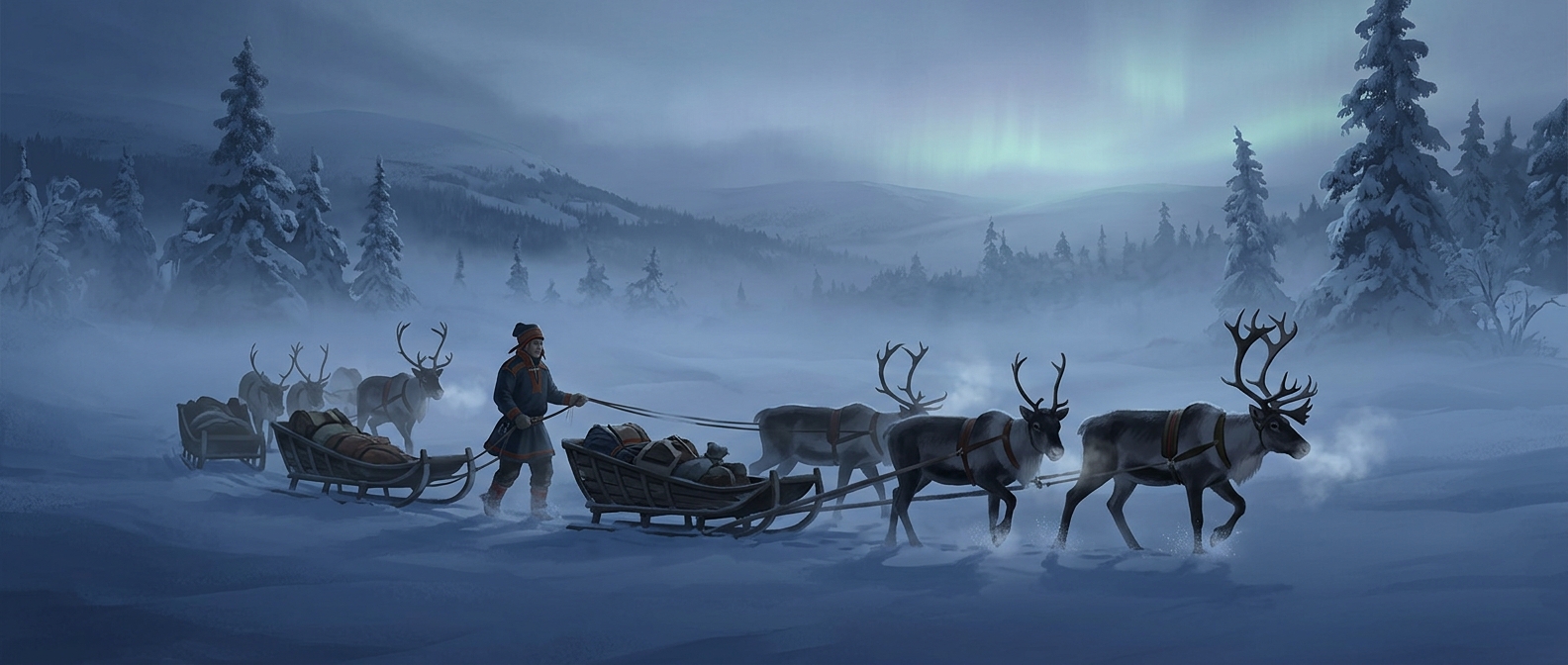
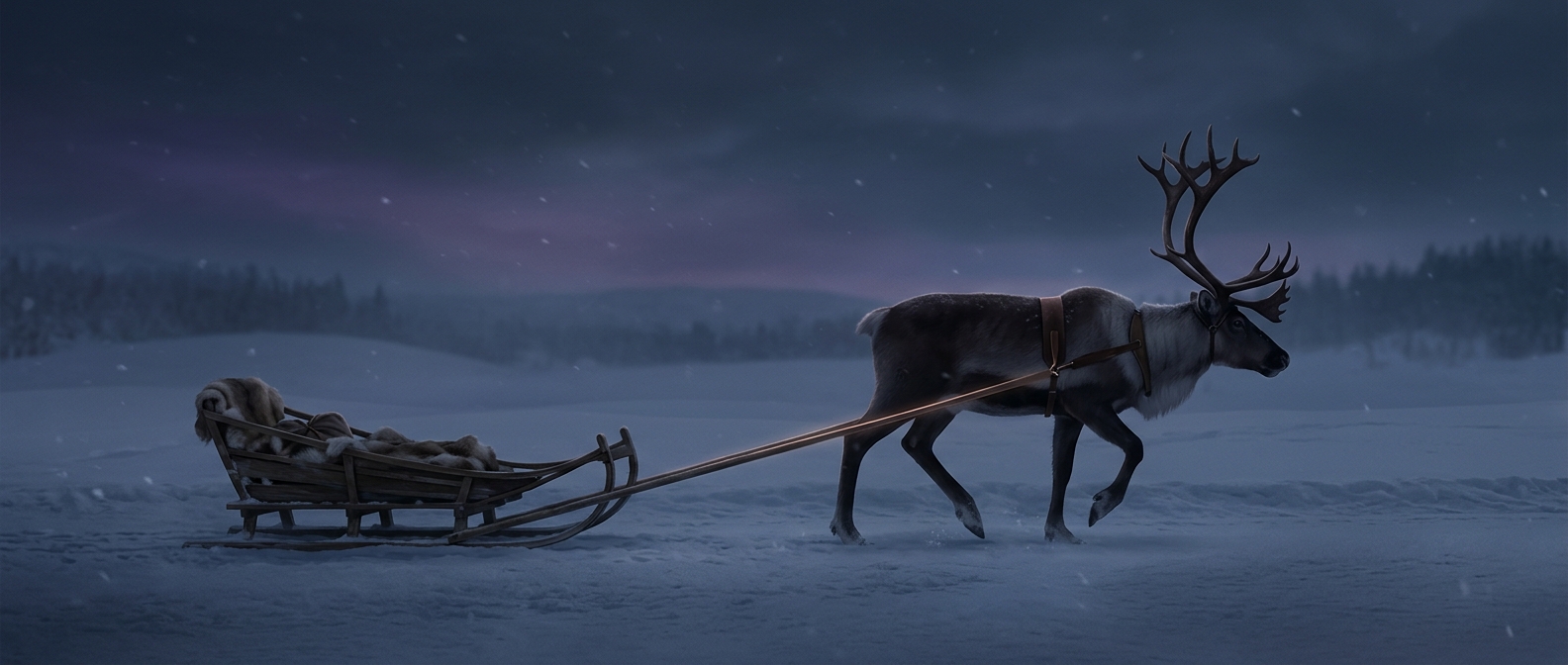
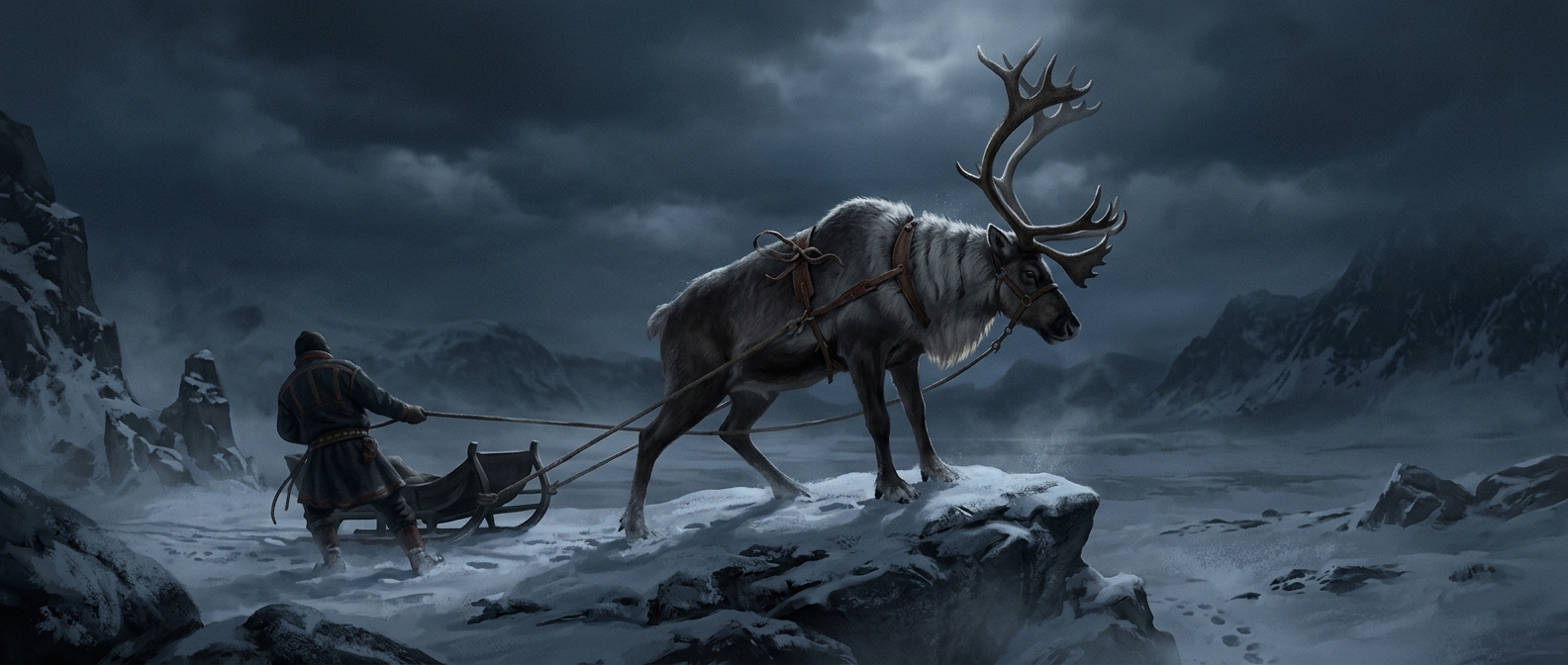
A sled does not simply follow wherever its reindeer go. The harness transfers each animal’s pull to the traces—the straps connecting it to the sled—and that pull changes when the sled starts, stops, or turns. A reindeer unfamiliar with the pressure can balk, veer, or react suddenly. Training begins with getting the animal used to the gear and to the feel of pulling before adding the complications of a moving sled and other reindeer.
Herd Instincts Shape the Training
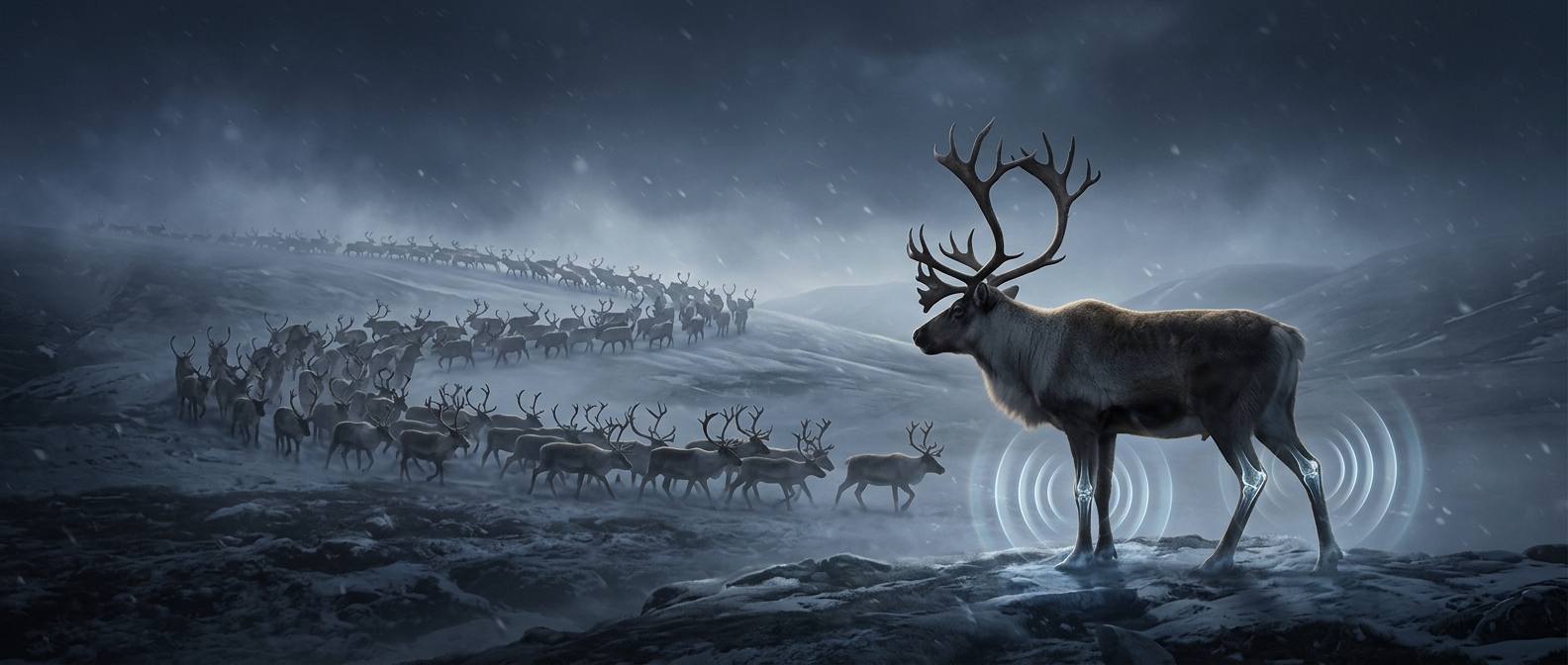
Reindeer are strongly influenced by the animals around them. That can help a team move once its members are comfortable working together, but it also means one animal’s alarm or hesitation can affect its neighbors. A handler has to build reliable responses in individual reindeer while helping them stay calm and attentive in company.
The driver’s cues matter only if the animals have learned what they mean. Reindeer must become accustomed to a person approaching, handling the harness, and guiding their movement; they cannot be expected to understand a command just because they are attached to a sled. Their natural reactions—to follow companions, pause, or flee from something unsettling—may compete with the task.
The Team Is the Working Machine
Once hitched, the animals are linked by the same load. If one pulls while another stops, the harness can tighten unevenly and the sled may not travel smoothly. Training therefore has to account for both each reindeer’s behavior and the group’s response to the driver.
That is the practical challenge: a sled driver is not merely directing a vehicle. The driver is managing several living animals whose cooperation must be taught, maintained, and coordinated for every journey.