Blue lights are meant to interrupt a dangerous moment
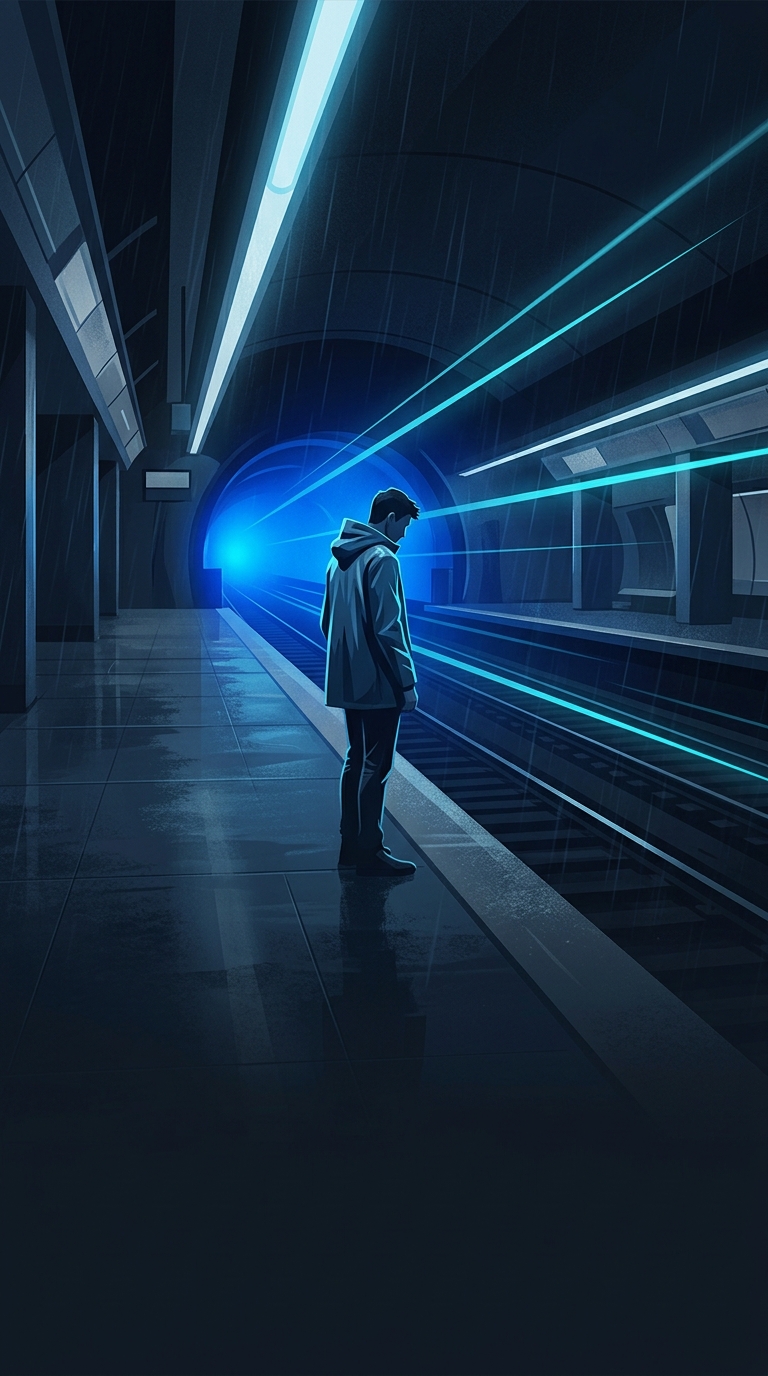
At some stations, blue lamps near platform ends are part of an effort to reduce suicide attempts. The idea is not that blue light physically blocks access to the tracks. Instead, operators hope a noticeable change in the surroundings may help interrupt a moment of crisis or make the platform feel less stark.
That is a preventive design strategy, not a reliable switch that changes anyone’s state of mind. Research on whether blue lighting by itself reduces incidents has produced uncertainty, so it is best understood as one possible layer of protection rather than a proven stand-alone solution.
Why put them at the ends?
Platform ends are relatively secluded, and a person there may be out of the immediate view of waiting passengers or station staff. Placing a distinctive light in those areas draws attention to a spot where a person could otherwise be less visible. It can also make the location easier for staff and passengers to notice, though lighting alone cannot ensure someone will be seen in time.
The lamps are part of a broader safety problem: stations must remain open and usable while managing risks around trains and platforms. Physical barriers, staff presence, surveillance, and ways to summon help can offer other forms of protection, but each has practical limits—especially on older platforms where installing barriers may be difficult.
A small intervention, not a complete safeguard
Blue lights are inexpensive and comparatively easy to add, which helps explain their appeal to transit systems. But their presence should not be mistaken for proof that the risk has been solved. The light is a cue in the environment, not a barrier or a substitute for human support. Its significance lies in how a station can use a small design change alongside other measures to make a vulnerable place more noticeable and potentially less isolating.