Porte des Lilas: a metro station with a second life
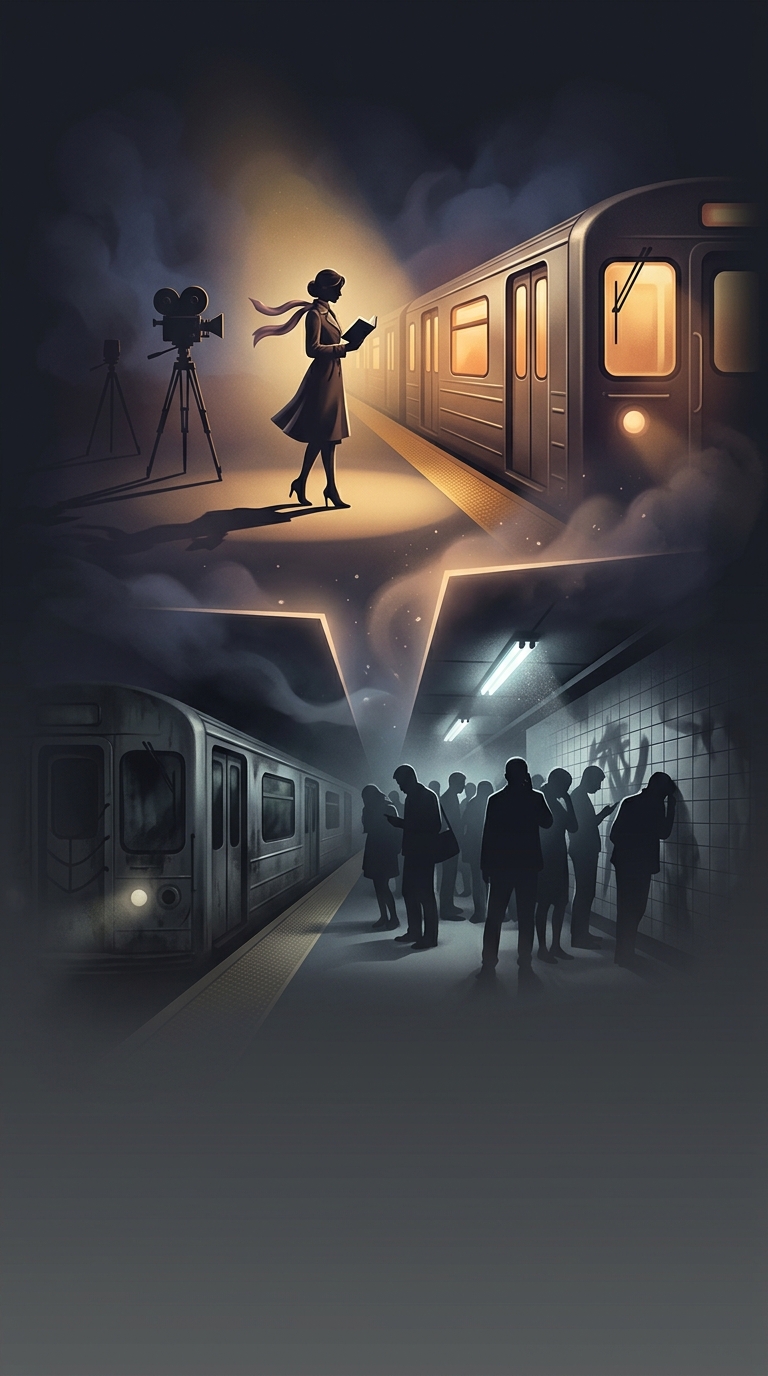
A working metro station is a difficult place to film: trains keep arriving, passengers need clear routes, and safety rules limit where crews can put cameras and equipment. Porte des Lilas offers a different setup. Its filming area sits outside the public passenger network, so a production can use a real station environment without turning a busy platform into a set.
Why a real station is useful
A studio can reproduce tiled walls, signs and platform geometry, but matching the look from every camera angle takes construction and careful lighting. In a station built for transit, those details are already part of the space. Crews can adapt the setting with props and signage while keeping the architecture that makes a Paris Metro platform look convincing.
The separation matters as much as the appearance. With no commuters moving through the filming area, a crew can arrange equipment and repeat shots without interfering with passenger service. It also gives production teams more control over what appears in the frame than they would have in an active station.
A controlled exception to the transit network
The site is sometimes described as a ghost station, but that does not mean it is simply an abandoned ruin. Its value comes from being available for filming while remaining apart from ordinary passenger operations. That makes it a kind of ready-made location: authentic enough to stand in for the Metro, yet controlled enough to work like a set.
The tradeoff is practical. Productions pay for access to a distinctive real-world environment; transit authorities can make use of space without routing shoots through the daily flow of riders. On screen, the result can look like an ordinary Paris platform—even though the camera crew has the station to itself.