Why the tunnels are hard to clear
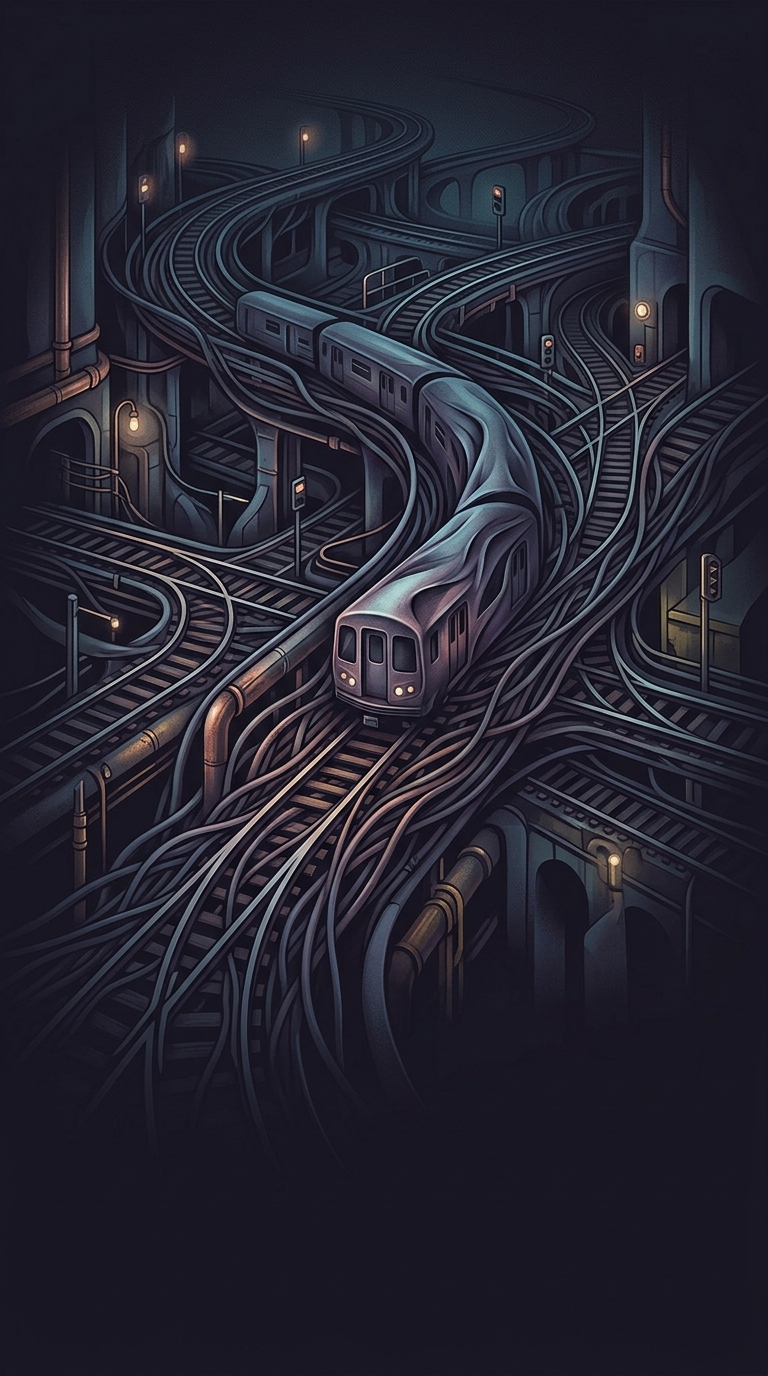
A subway is not a single room that can be sealed, cleaned, and reopened. It is a network of platforms, track beds, service areas, drains, and adjoining spaces, with people and supplies moving through it around the clock. Rats can shelter out of sight and travel between places where food is discarded. Treating one station may reduce activity there without removing the conditions that support rats elsewhere in the network.
Bait is only one part of the problem
Poison bait works only when rats encounter and eat it. It does not remove hidden nesting places or stop other rats from moving into an area with available food and shelter. Meanwhile, crumbs and discarded meals offer a steady incentive to forage. That is why pest control depends not just on traps or bait, but also on limiting food waste and closing off places rats can use to hide or enter.
A problem built into the operating environment
The system’s constant use makes that work difficult to coordinate. Track and station areas need to remain accessible for transit operations, so pest-control work has to fit around the practical demands of maintaining a busy railway. Rats do not need to understand a timetable to benefit from the result: routes remain open, food appears, and sheltered spaces persist.
The durable advantage is not extraordinary size or intelligence. It is access to a connected habitat that keeps replenishing what control efforts remove.