How a ride token gained value
A subway token was more than a metal substitute for a ticket: it represented the right to take a ride. If riders could buy tokens at today’s fare and keep using them after the cash fare went up, each token carried yesterday’s price into tomorrow.
That created a simple kind of arbitrage—the chance to buy something at one price and use or exchange it later when it was worth more. A rider who held tokens through a fare increase could pay less per ride than someone paying the new cash fare. The token’s metal was incidental; its value came from the transit system’s promise to accept it.
Why people treated them like money
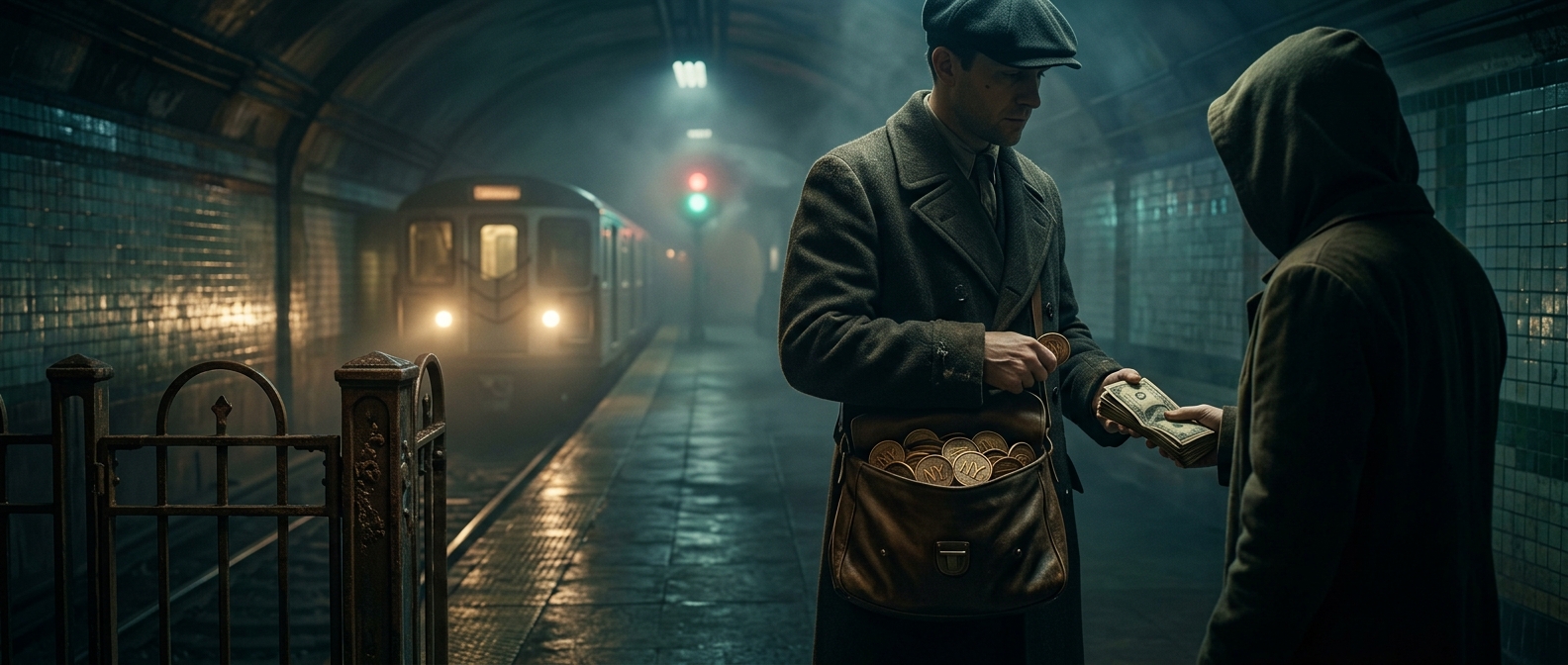
Tokens were compact, durable, and easy to pass from one person to another. Since each stood for a ride, people could save them for their own future trips or trade them with other riders. Their usefulness depended on a practical question: would the subway still accept this disc at the turnstile?
That made tokens resemble a small, unofficial currency, but with a narrow purpose. They could help pay for transit, not groceries or rent, and their value rested on the transit authority continuing to honor them. A token was therefore both a fare payment and a bet that its purchasing power would survive the next price change.
The limit of the bargain
The advantage was not guaranteed forever. Transit agencies could change token prices, stop selling tokens, or retire them, reducing the benefit of holding a stockpile. Still, as long as an older token remained valid after fares rose, it preserved a little slice of the previous price—turning a routine commute into an unexpectedly useful reason to save small change.