The Maintenance Window That Never Opens
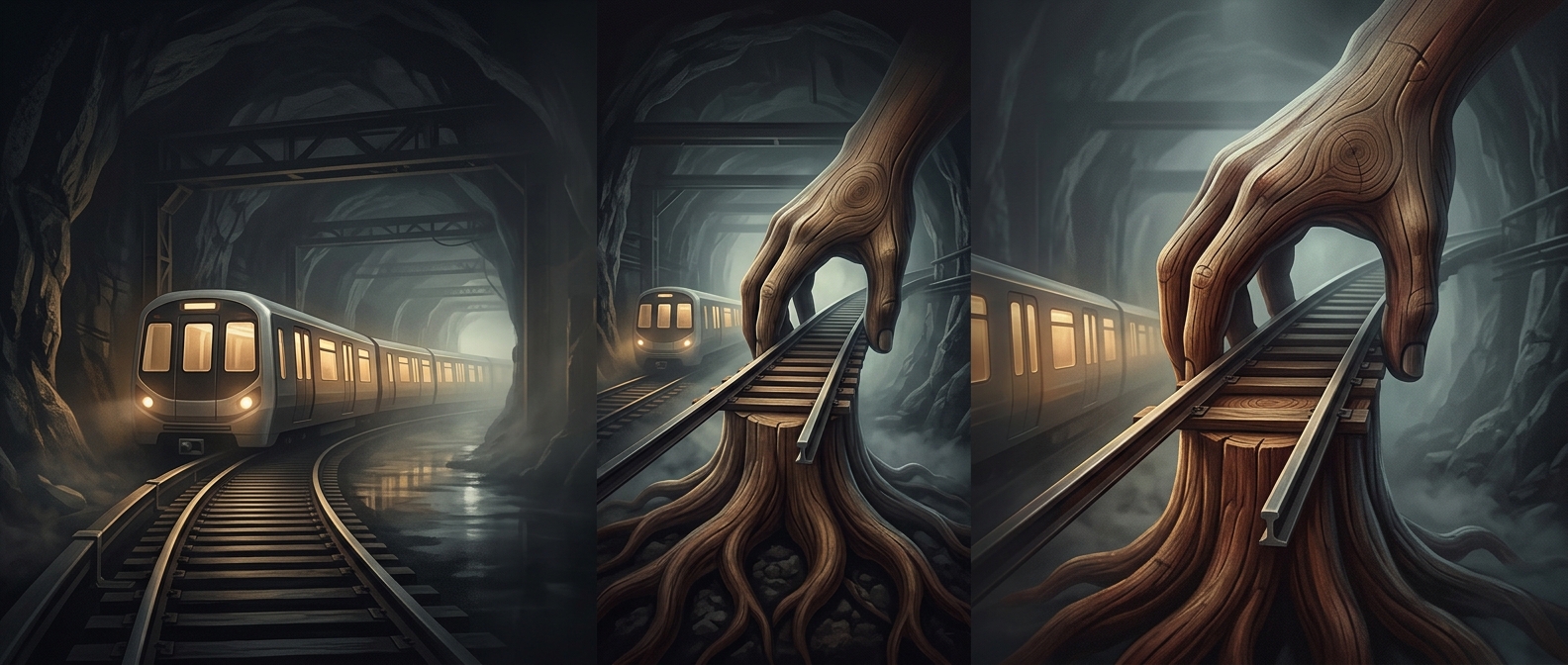
A subway track cannot be safely repaired while trains are moving over it. On a system that runs all night, maintenance crews must fit inspections and repairs into brief gaps between trains—or temporarily take a track out of service while trains use another route.
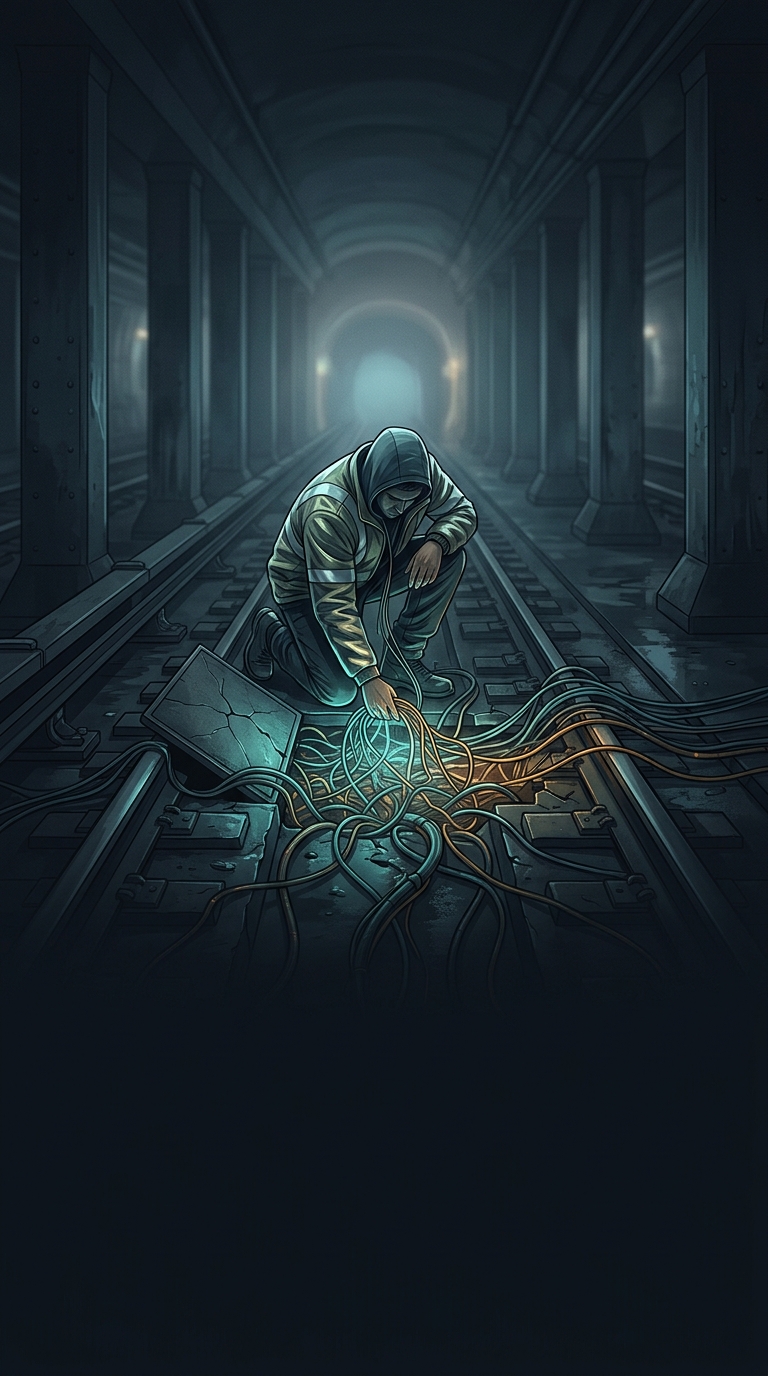
Those gaps are not equivalent to a long, uninterrupted shutdown. Crews may have to reach a work site, secure the area, complete a task, clear tools and equipment, and restore the track before service resumes. Work that needs more time can require rerouting trains or suspending service on a segment, disrupting passengers even when the rest of the network keeps running.
Why Small Delays Can Become Big Problems
Aging infrastructure needs recurring attention: rails wear down, signals need inspection, and tunnels and other structures require repair. When access is scarce, agencies face a hard choice: squeeze work into shorter windows, disrupt service to make a longer one, or postpone some jobs.
Postponement can make later work more complicated. A minor repair may grow into a larger project, while unfinished work competes with new maintenance needs. The pressure is especially hard to see from a train: passengers may notice a slowdown or a late-night service change, but not the inspection or repair that could not be completed during that window.
Keeping Trains Moving Has a Tradeoff
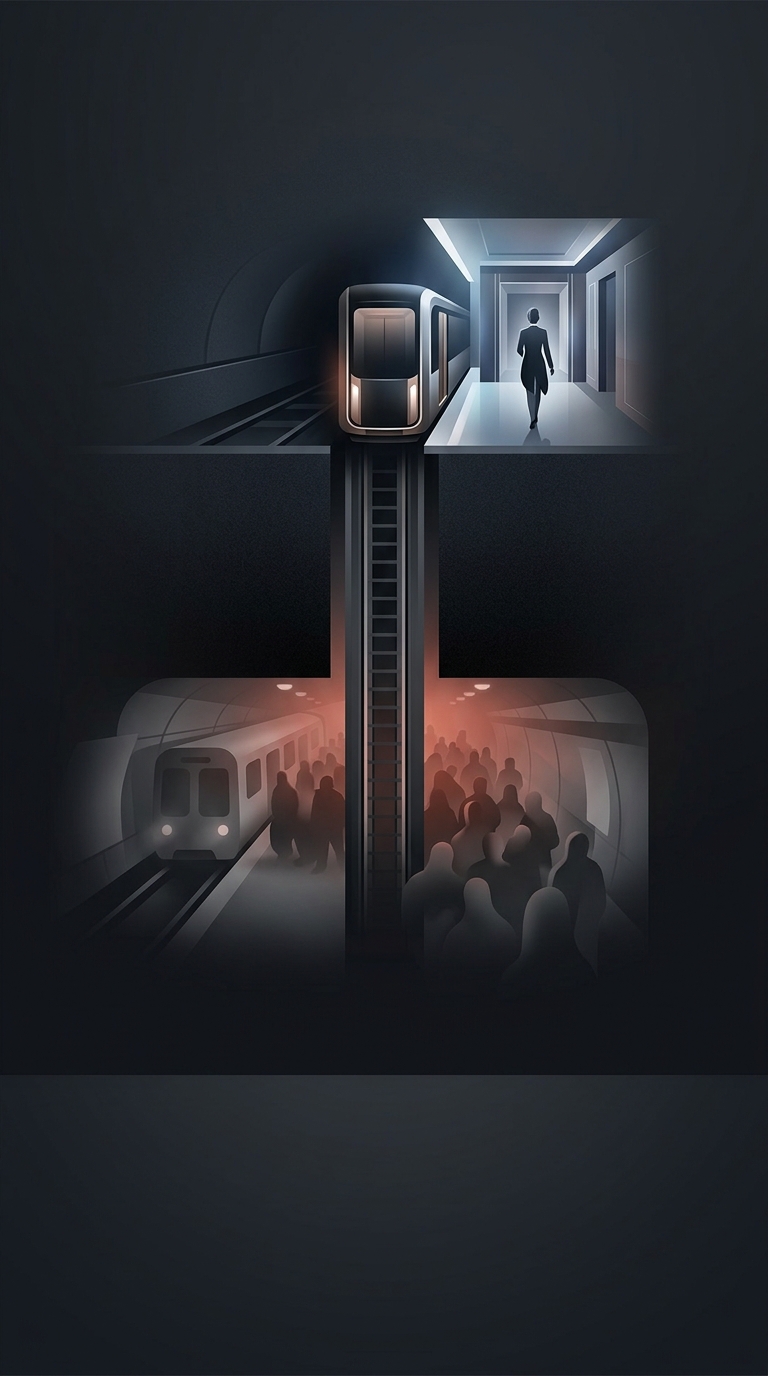
Round-the-clock service is valuable to riders who work, travel, or make connections overnight. But it leaves less time when tracks can be cleared for crews and equipment. The resulting challenge is not simply finding workers or money; it is finding enough safe, usable time on the infrastructure itself.
That is why a subway can be operating every hour and still have maintenance work waiting. The train schedule is visible. The scarce resource behind it—the stretch of track that can be taken out of service long enough to fix—is not.