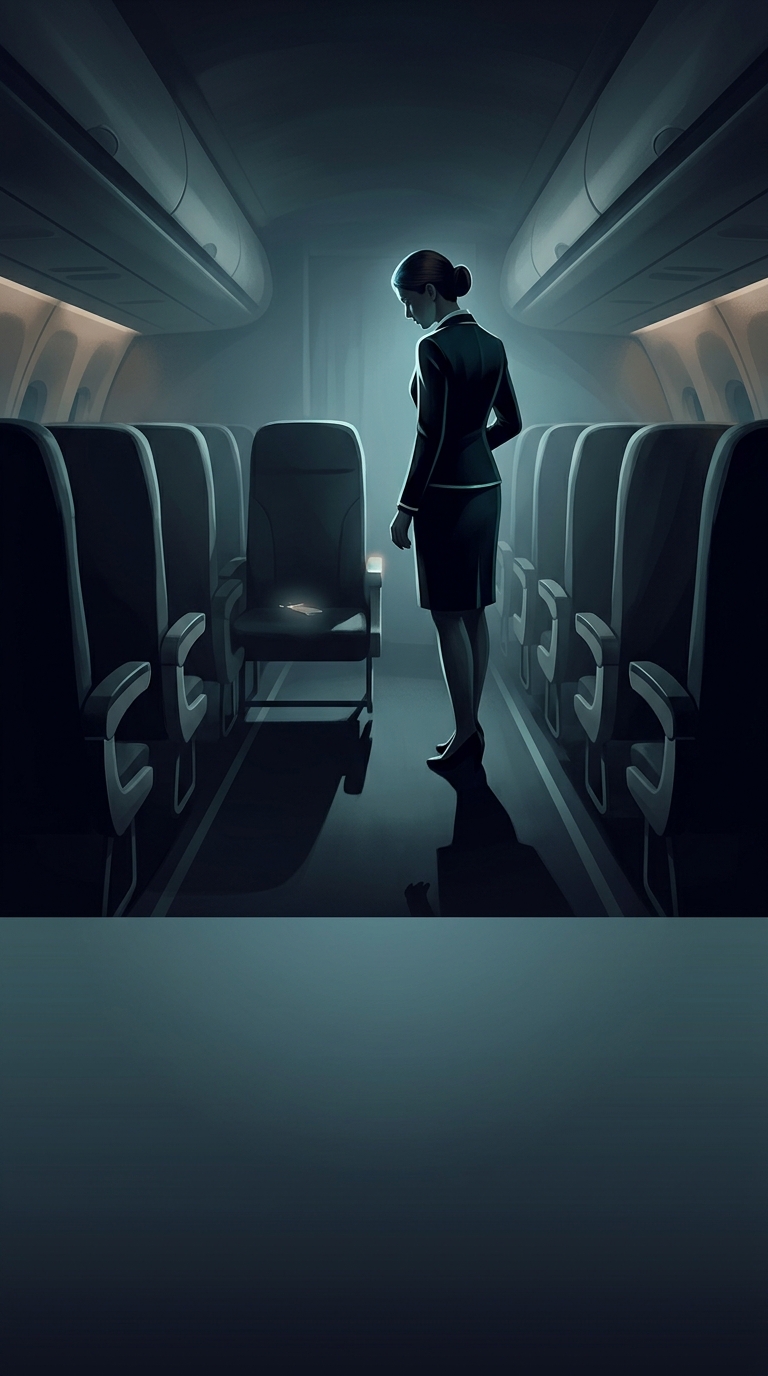
First, the crew treats it as a medical emergency
A passenger who appears unresponsive is not immediately treated as a body to be moved. Flight attendants check responsiveness and breathing, call for help, and begin the airline’s emergency procedures. They may ask whether a doctor or other medical professional is onboard, use the aircraft’s first-aid equipment, and contact ground-based medical support through the flight crew. If appropriate, they may perform CPR or use an automated external defibrillator.
Cabin crew generally do not make a formal medical declaration of death. They follow the guidance available to them and keep providing care when directed, because a person who appears lifeless may still be resuscitated. The captain is informed and decides, with available medical advice, whether the flight should continue or divert.
If death is confirmed, the body must stay secure
Once the crew is advised that resuscitation should stop—or a qualified medical professional confirms death—the practical problem changes. The body cannot be taken to a separate room: passenger aircraft have no morgue, and the lavatory is not a suitable place to leave someone. It is cramped, may be needed by other passengers, and a person there would not be securely restrained for turbulence.
When space allows, crew may place the person in an unoccupied seat or another suitable area, secure them with a seat belt, and cover them for privacy. The exact arrangement depends on the aircraft, how full it is, and the airline’s procedures. The crew also needs to keep aisles and emergency exits clear and avoid creating a hazard for other passengers.
The landing plan depends on the situation
A diversion is not automatic. The captain weighs medical advice, the aircraft’s location, and operational conditions; the decision may be to land at the nearest suitable airport or continue. After landing, local authorities and medical personnel take over. The central constraint is both practical and humane: protect the person’s dignity without compromising the safety of everyone still onboard.