Why the Eiffel Tower Could Be Sold as Scrap
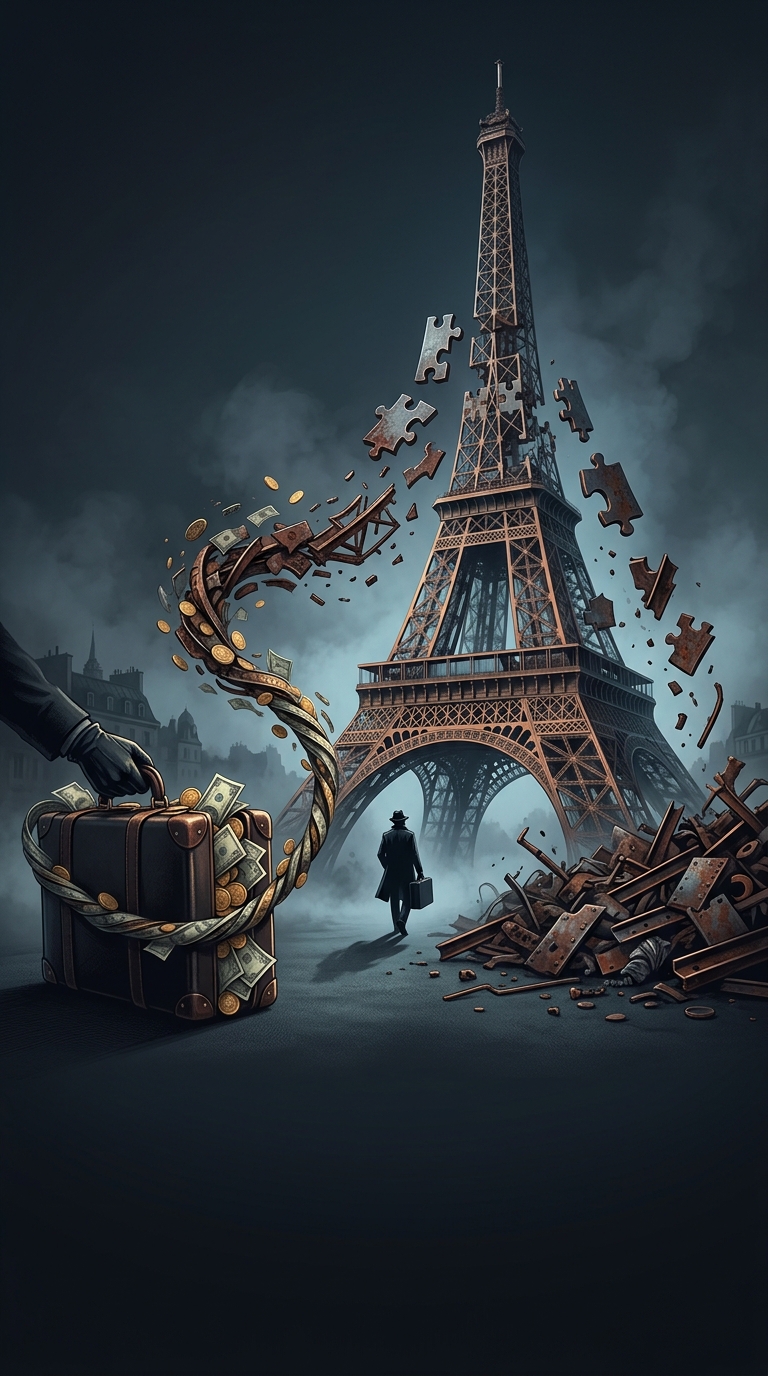
In 1925, Victor Lustig persuaded scrap-metal dealers that Paris planned to dismantle the Eiffel Tower and sell its iron. His pitch worked because it turned a conspicuous landmark into a practical municipal problem: the tower was expensive to maintain, and, as many people understood it, had only ever been meant to stand temporarily.
A Landmark With an Expiration Date
The tower had been built for the 1889 World's Fair, an enormous exhibition meant to showcase modern industry and engineering. Its iron structure was a dramatic centerpiece, but its future was not originally assured. The idea that it might eventually come down therefore sounded less absurd than it would for a monument designed from the start as permanent.
Public opinion helped the story along. Many Parisians disliked the tower's appearance, and prominent artists had objected to it when it was proposed. A structure that some residents regarded as an eyesore was easier to imagine losing than a universally cherished landmark.
The Con Built on Plausibility
Lustig did not need to persuade buyers that the tower was beautiful or historically priceless. He needed them to believe that officials were ready to get rid of it—and that the metal would be valuable to the right purchaser. The rumor of demolition supplied urgency; the tower's original temporary status and its maintenance needs made that rumor seem credible.
That combination is the useful lesson in the episode: a con often succeeds not by inventing a wholly unbelievable story, but by attaching a false claim to facts people already recognize. The Eiffel Tower's early reputation as a temporary, unpopular structure gave Lustig's fabricated sale just enough plausibility to pass as a secret government decision.