A boss is balanced for a different job
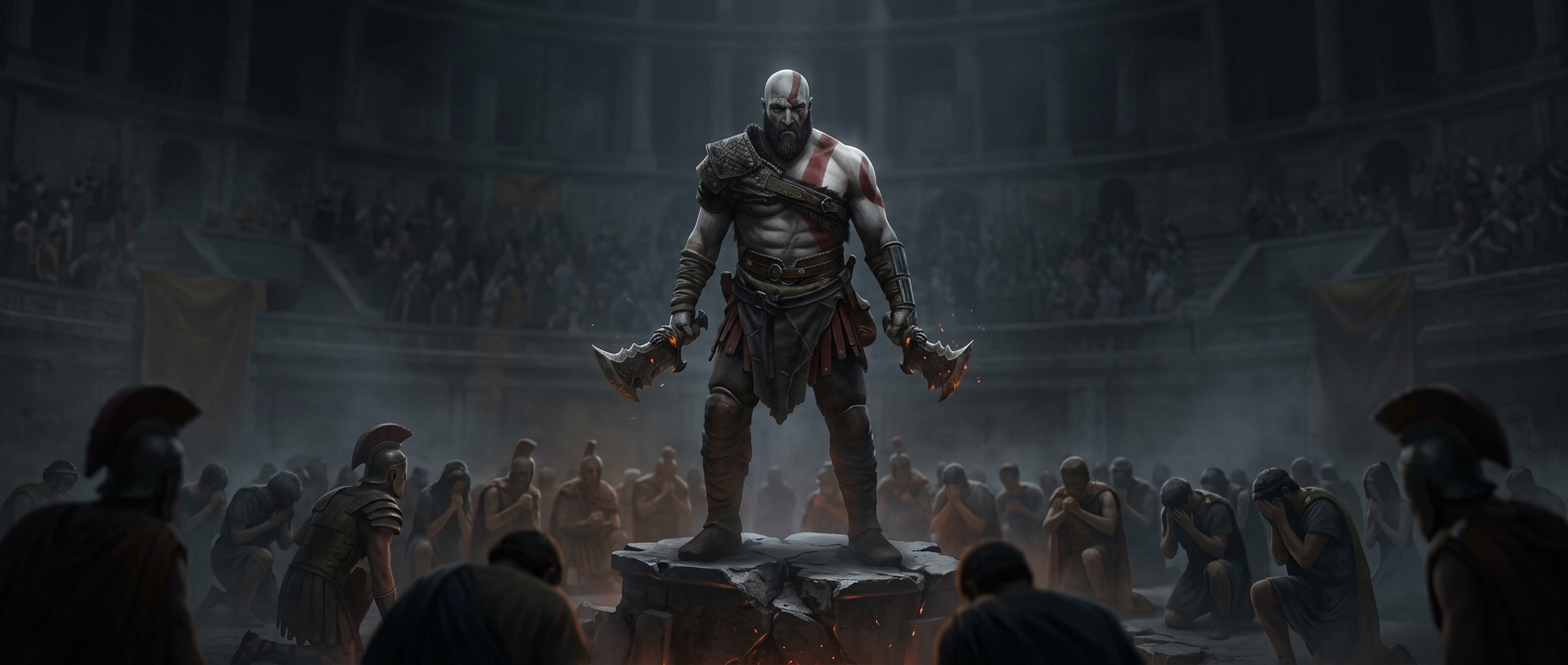
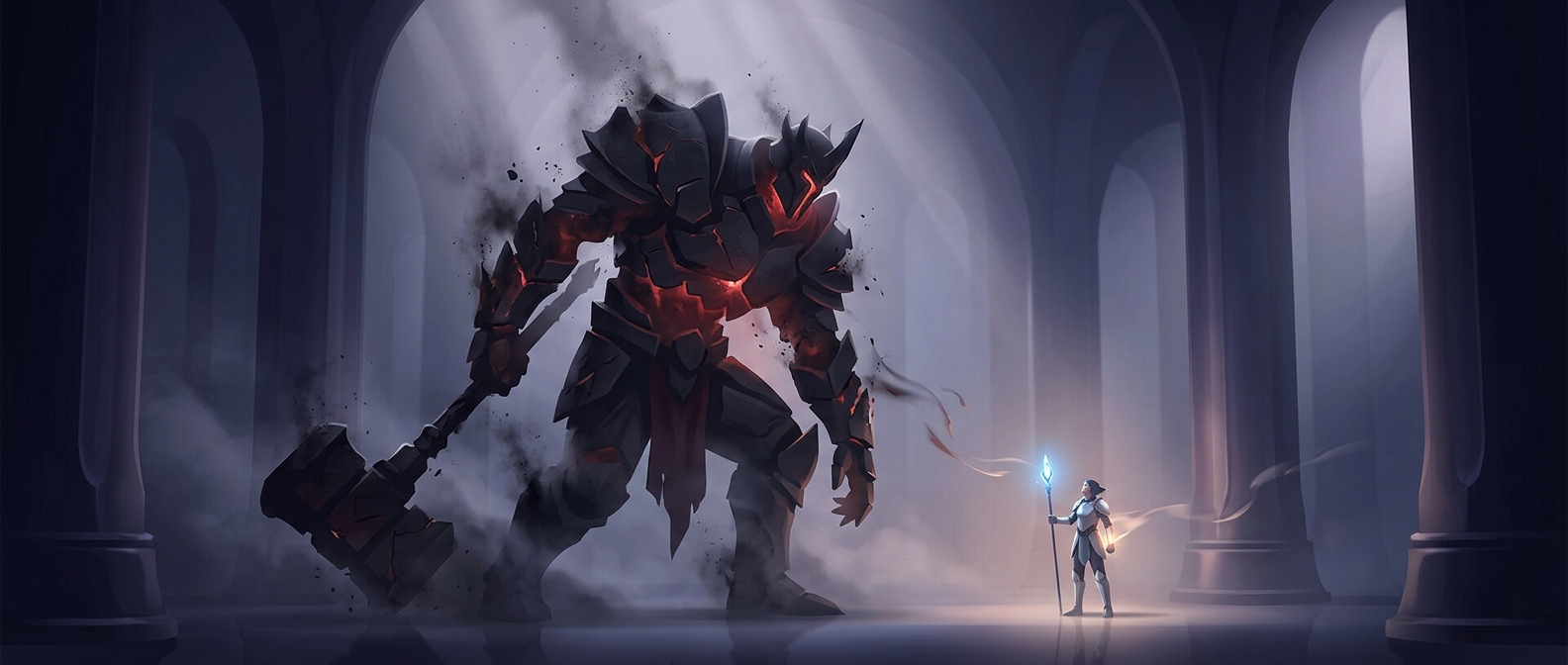
A boss is designed to challenge the player from the other side of the screen. Its large health pool gives an encounter time to unfold, while powerful attacks create moments the player must read, dodge, or interrupt. The fight can also control when the boss acts: scripted pauses and telegraphed moves give players a chance to respond.
A companion has a different job. It must work alongside the player through many ordinary fights, where enemies may be weaker, more numerous, or able to target several characters at once. If the former boss kept its encounter-level durability and damage, it could dominate those fights or make the player’s own character feel pointless.
The conversion changes more than the numbers
Developers often reduce a recruit’s health or damage, but they may also alter attack speed, range, cooldowns, or behavior. A boss move that was dangerous because it arrived after a long warning may be frustrating if a companion can repeat it whenever its controls allow. And a giant, sweeping attack built for a large arena may not fit a narrow corridor or a crowded team battle.
The result is a character adapted to the game’s regular rhythm, not a miniature copy of the boss encounter. Sometimes that means fewer abilities; sometimes the companion keeps a distinctive move but uses it less often or with less force.
Power has to leave room for play
This is a tradeoff between the fantasy of recruiting a formidable enemy and the need to preserve meaningful decisions. The companion should still feel recognizable, but not so strong that choosing anyone else—or taking action yourself—stops mattering. Its reduced strength is often what lets the game turn a one-time spectacle into a useful teammate.