Why the Invaders Got Faster as Their Ranks Thinned
In Space Invaders, the alien formation did not move at one steady pace. It crept across the screen, dropped down at the edges, and gradually accelerated as the player destroyed more aliens. The effect made the final targets feel especially tense—but it came from the machine’s limits, not from a carefully tuned difficulty curve.
The arcade cabinet’s processor had to update the aliens’ positions and draw them on screen. Early in a round, it spent more time working through a large formation. As enemies disappeared, there was less work to do, so the game could complete its update cycle sooner. The remaining invaders therefore moved more often. Fewer aliens meant less processing time—and a faster game.
A Technical Quirk Became the Dramatic Payoff
That unintended acceleration worked remarkably well as a source of suspense. The player could clear most of the formation and feel in control, only to face a handful of targets darting across the screen. The machine’s changing workload turned a limitation into a rising challenge, even though the speed increase was not an intentional design choice.
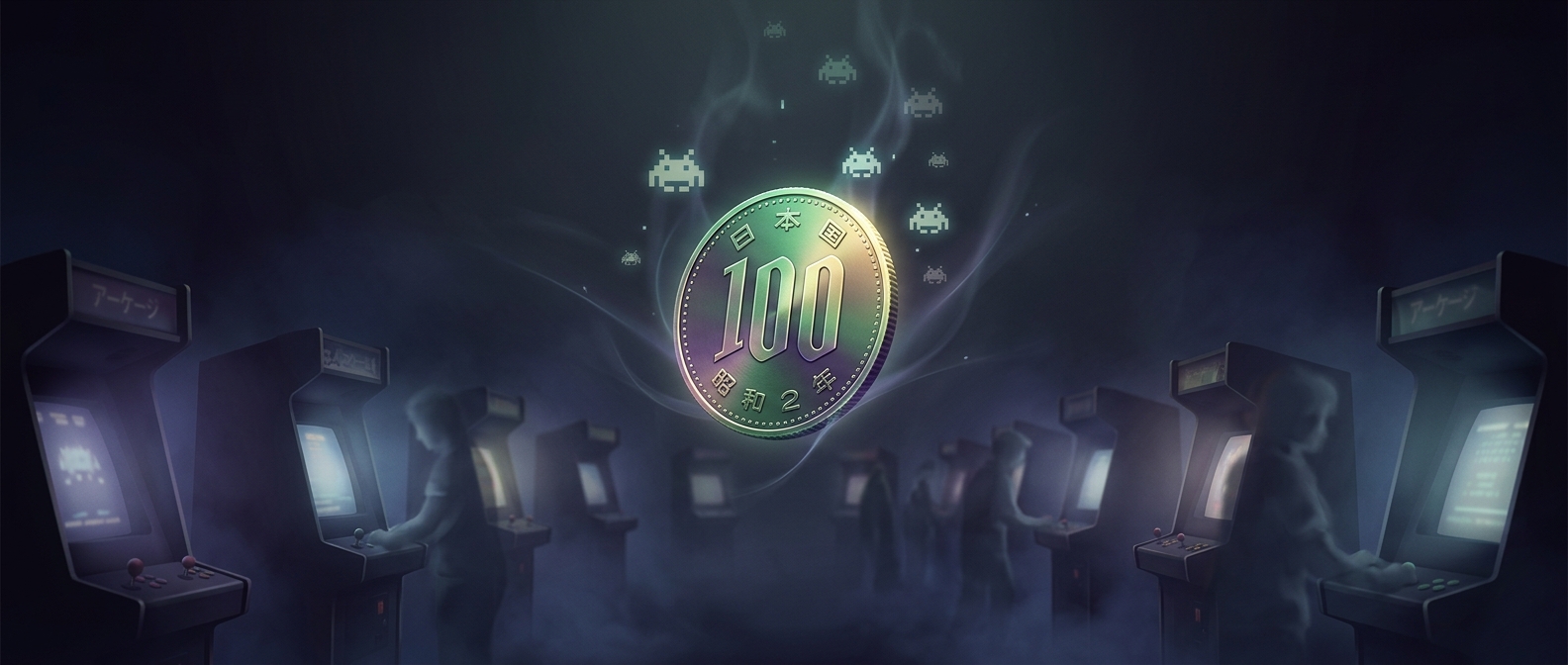
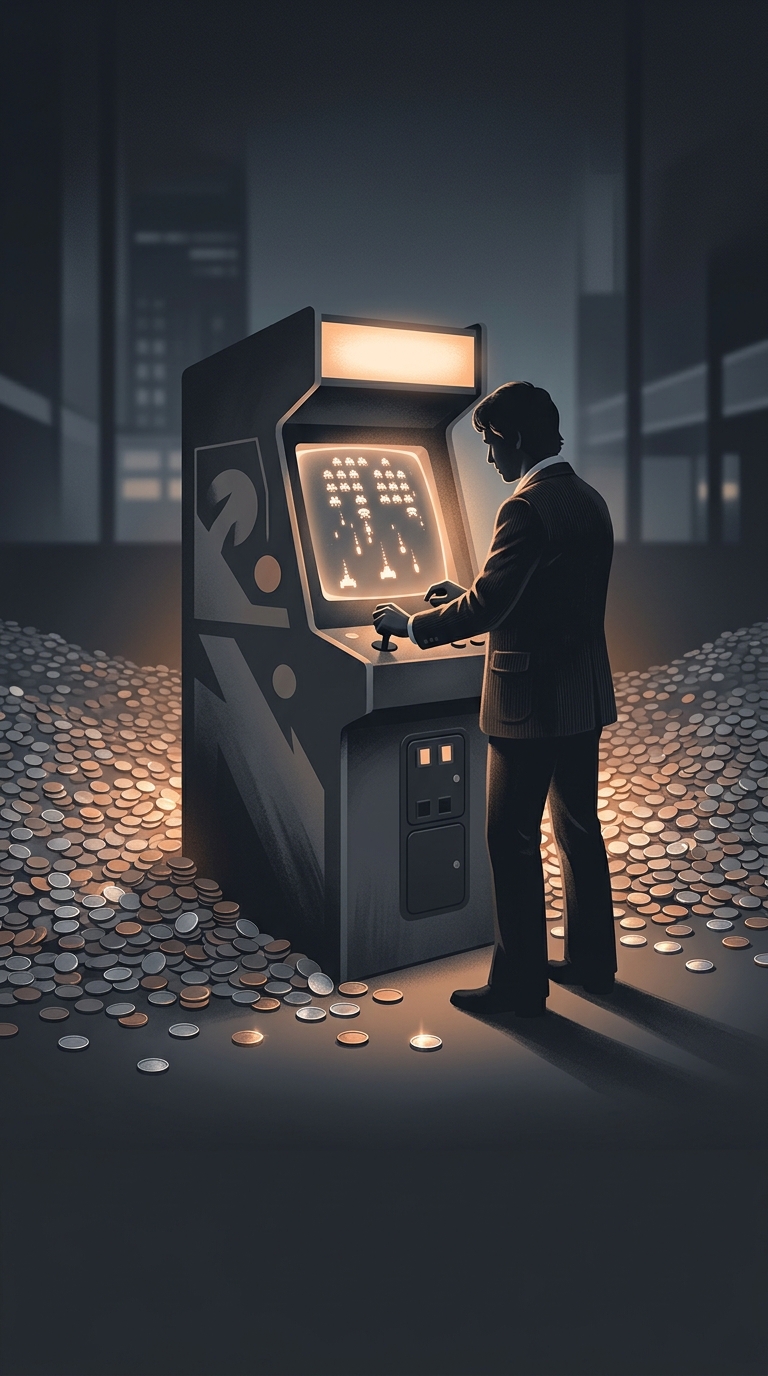
The same arcade hit also became tied to a memorable Japanese urban legend: that its popularity caused a nationwide shortage of 100-yen coins. The story captured how suddenly and intensely people wanted to play, though the coin-shortage claim is best understood as a legend rather than a confirmed account. In the game, at least, the bottleneck was real: as the alien ranks shrank, the hardware had less to handle—and the survivors rushed toward the player.