How a fast boat climbs onto the water
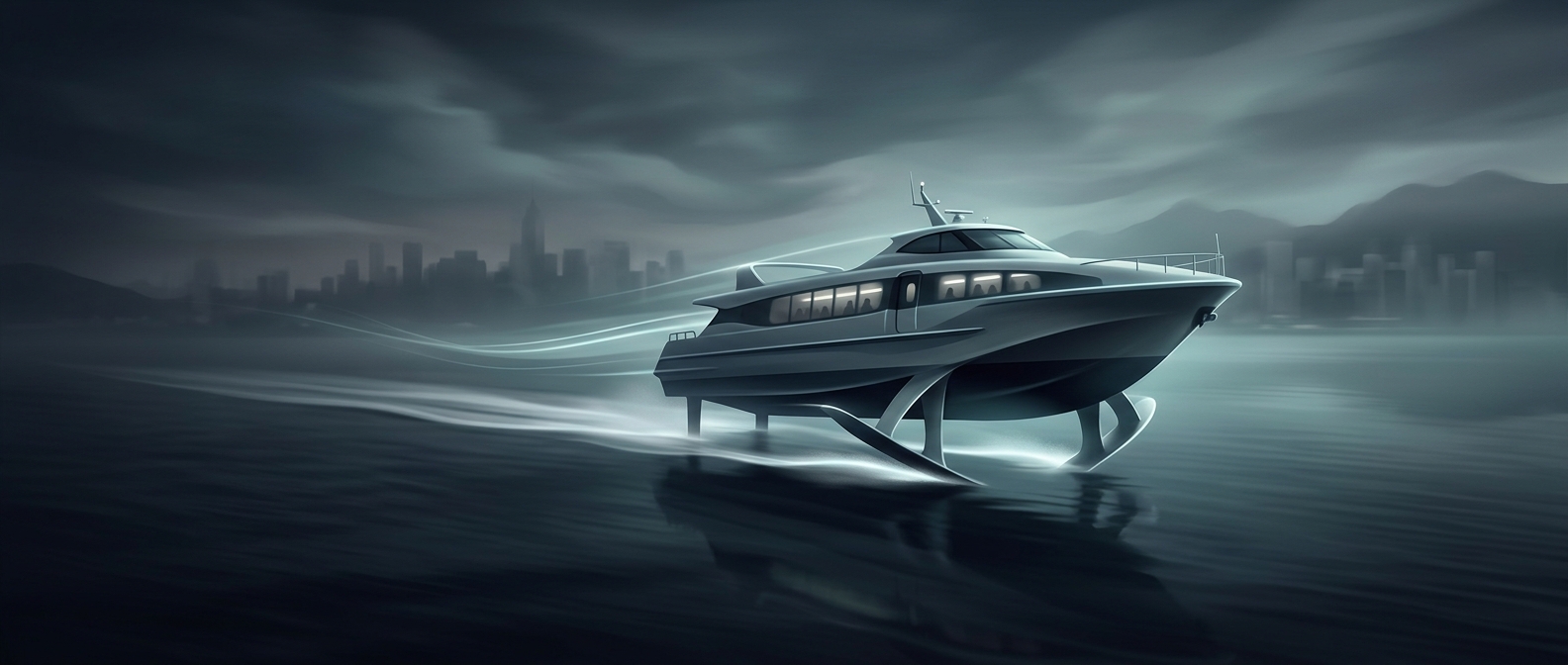
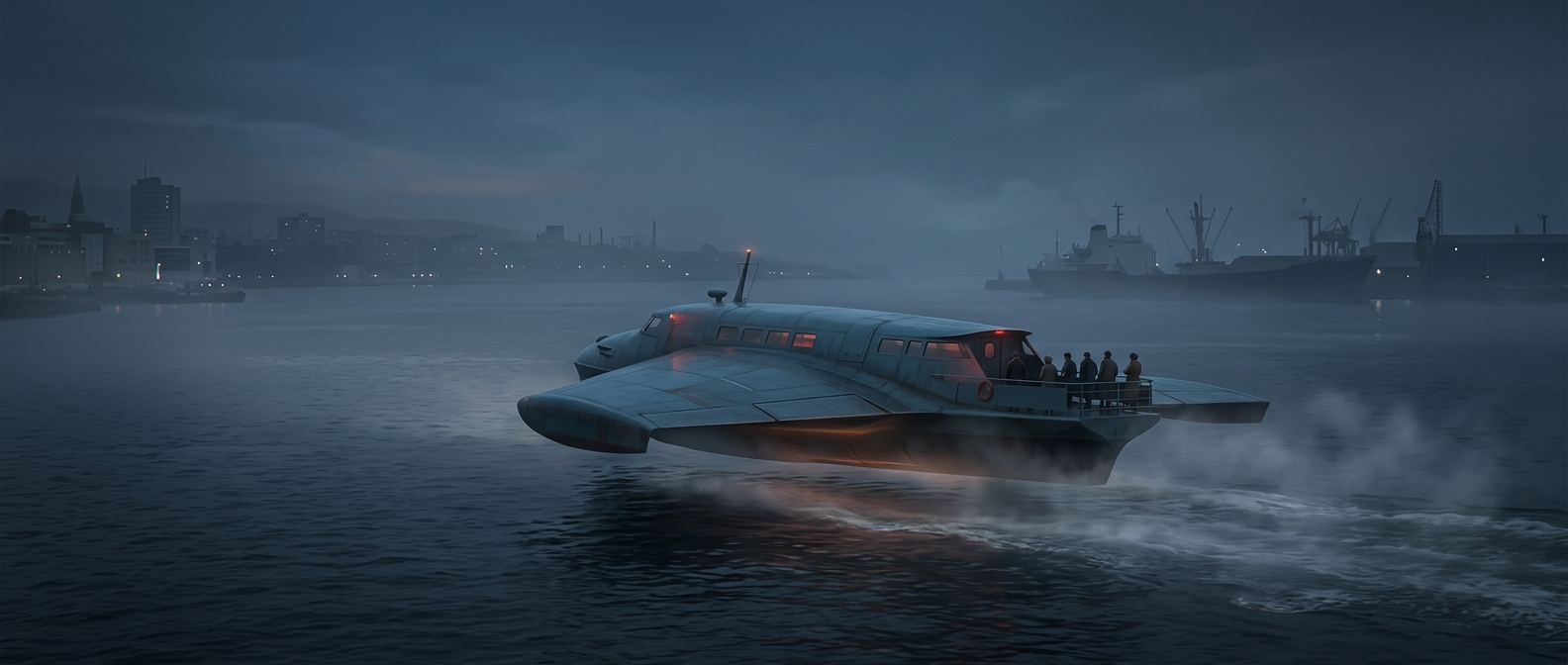
At rest, a boat is supported mainly by buoyancy: it displaces water, and the surrounding water pushes back. As the boat accelerates, water flowing beneath its hull creates increasing pressure. That pressure adds dynamic lift, raising the hull and reducing how much of it sits in the water.
The change is not always smooth. A boat may first push a large mound of water ahead of it and ride with its bow high, a phase that takes substantial power. Once it gains enough speed, the hull rises and begins to skim. With less hull immersed, there is less water rubbing along its sides and bottom, so the boat can move faster without resistance rising as sharply.
The hull has to balance lift and control
A planing hull is shaped to generate lift from the water flowing under it. A broad, relatively flat bottom can lift readily, while angled sections—often called a V-shaped hull—can cut through waves more gently. Designers trade one advantage against another: a flatter hull may ride harshly in choppy water, while a deeper V can require more power to lift and keep moving fast.
The driver also affects the transition. Acceleration, weight distribution, and the angle of the hull all influence whether the boat rises cleanly or struggles with its bow high. Too much lift at the wrong angle can make handling unstable, so speed alone is not the goal; the hull must remain controllable.
That is why a planing boat feels less like a floating object being shoved through the sea and more like a vehicle supported by a moving cushion of water. It still depends on the water beneath it—but at speed, the shape and motion of the hull do much of the supporting.