A harbor becomes part of the transit network
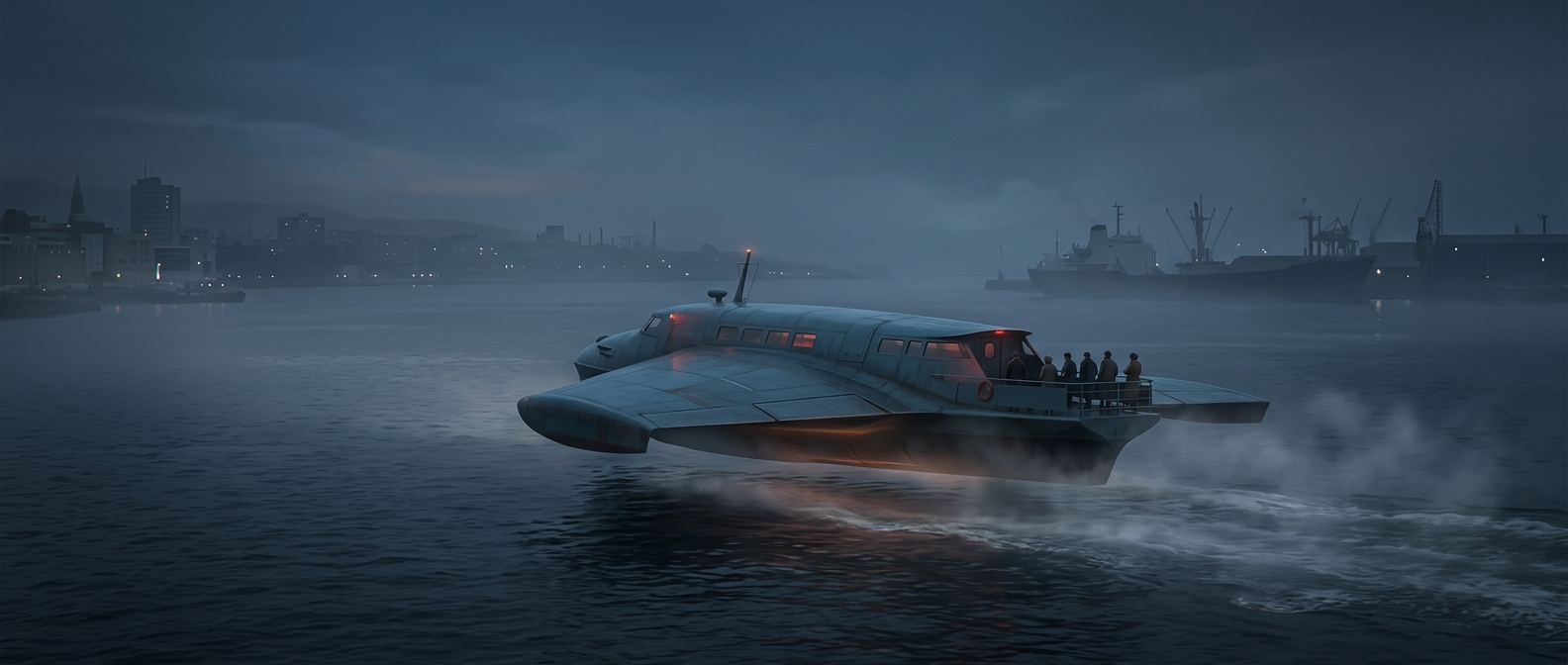
Harbour Air’s seaplanes connect waterfront terminals around coastal British Columbia, including downtown Vancouver and destinations on Vancouver Island. The useful trick is not that a plane can outrun every ferry journey in the air; it is that passengers can board near the city center and arrive near another waterfront, skipping much of the drive to and from ferry terminals.
That convenience depends on treating the harbor as working transport infrastructure. A seaplane needs a clear stretch of water to take off and land, a place to load passengers, and room to maneuver among other harbor traffic. Floats support the aircraft on the water and help it move at low speed, but they do not make every patch of harbor usable: wind, visibility, waves, and surrounding activity all affect whether a flight can operate safely.
The timetable is coordinated on the water
Dispatchers have to match aircraft and crews to scheduled departures while accounting for changing conditions at both ends of a route. Pilots then taxi on the surface—steering the floating aircraft through the harbor—before taking off or returning to a dock. That makes a departure more than a quick airport-style turnaround: the approach, water movement, and passenger loading all have to fit into a shared, active waterfront.
The service trades the capacity and weather resilience of a large ferry for speed and convenient locations. It cannot replace a ferry for most travelers or operate on the same terms in every condition. Its distinctive role is narrower: a small aircraft can make a water-separated city and island feel like neighboring urban stops, provided the harbor, weather, and schedule cooperate.