The narrow window between braking and crossing
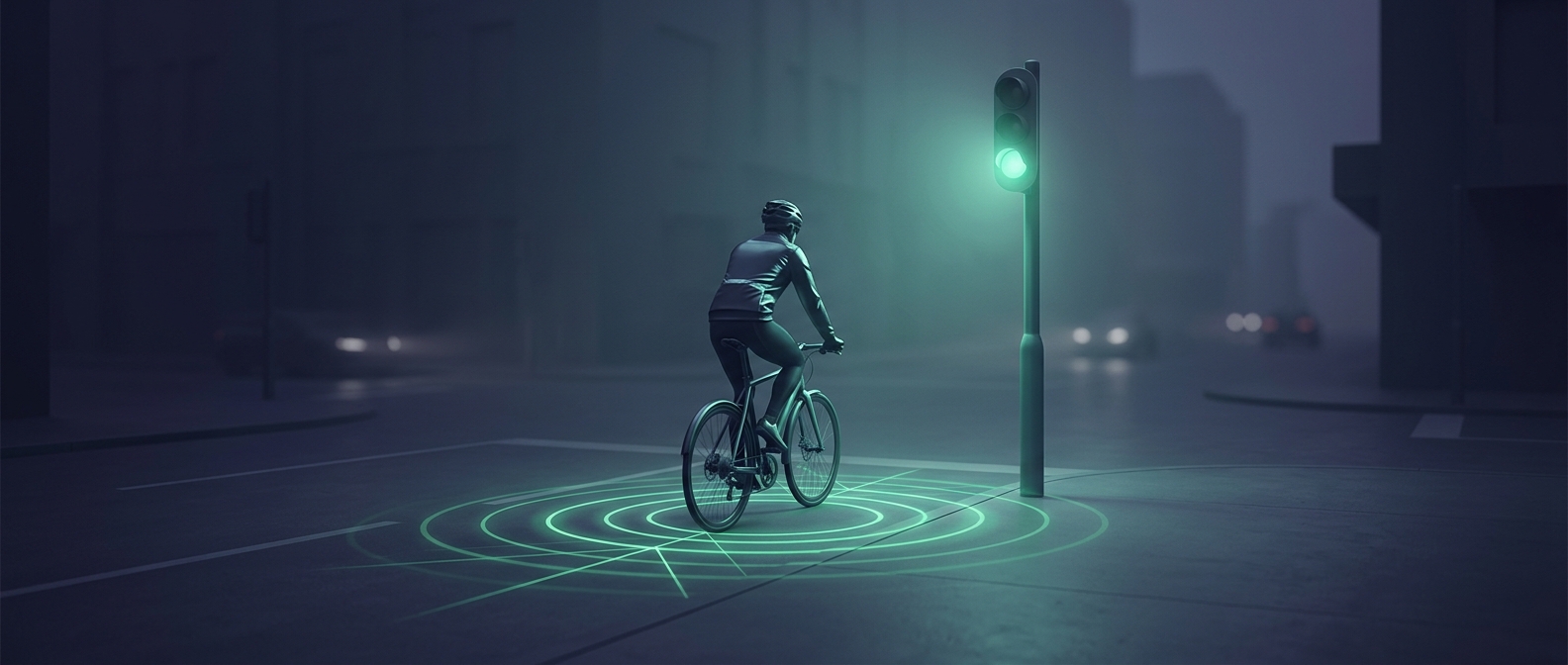
A driver approaching a signal has to make a decision before reaching the stop line: brake, or continue through. The yellow interval is designed to give that decision a predictable window. Engineers consider how fast traffic is moving and how long it takes a vehicle to travel from the stop line to the far side of the intersection.
Those factors pull in different directions. A faster approach needs more distance for a comfortable stop, while a wider intersection takes longer to cross. If the yellow ends too soon, a driver who is already close may be unable to stop safely but may not have time to clear the intersection. If it lasts longer than needed, drivers may treat it as extra green time and enter later than intended.
Why one timing does not fit every road
A signal’s timing is set for the conditions at that intersection, not simply copied from a universal countdown. Approach speed matters because a moving vehicle covers more ground during the driver’s reaction and braking. Road grade and the mix of vehicles can matter too: a large truck, for example, generally needs more room to stop than a passenger car.
The yellow interval is also distinct from any all-red interval that may follow it. Where used, that brief period leaves the intersection without a green signal in either direction, giving vehicles that entered legally time to get through before conflicting traffic starts.
The goal is a clear decision
No timing can make every driver’s situation identical: distance, speed, attention, and braking conditions vary. Careful timing reduces the number of approaches where stopping and proceeding both feel unsafe. It is a small engineering choice with a direct consequence: whether a routine change of lights gives drivers a workable decision—or forces it at the last moment.