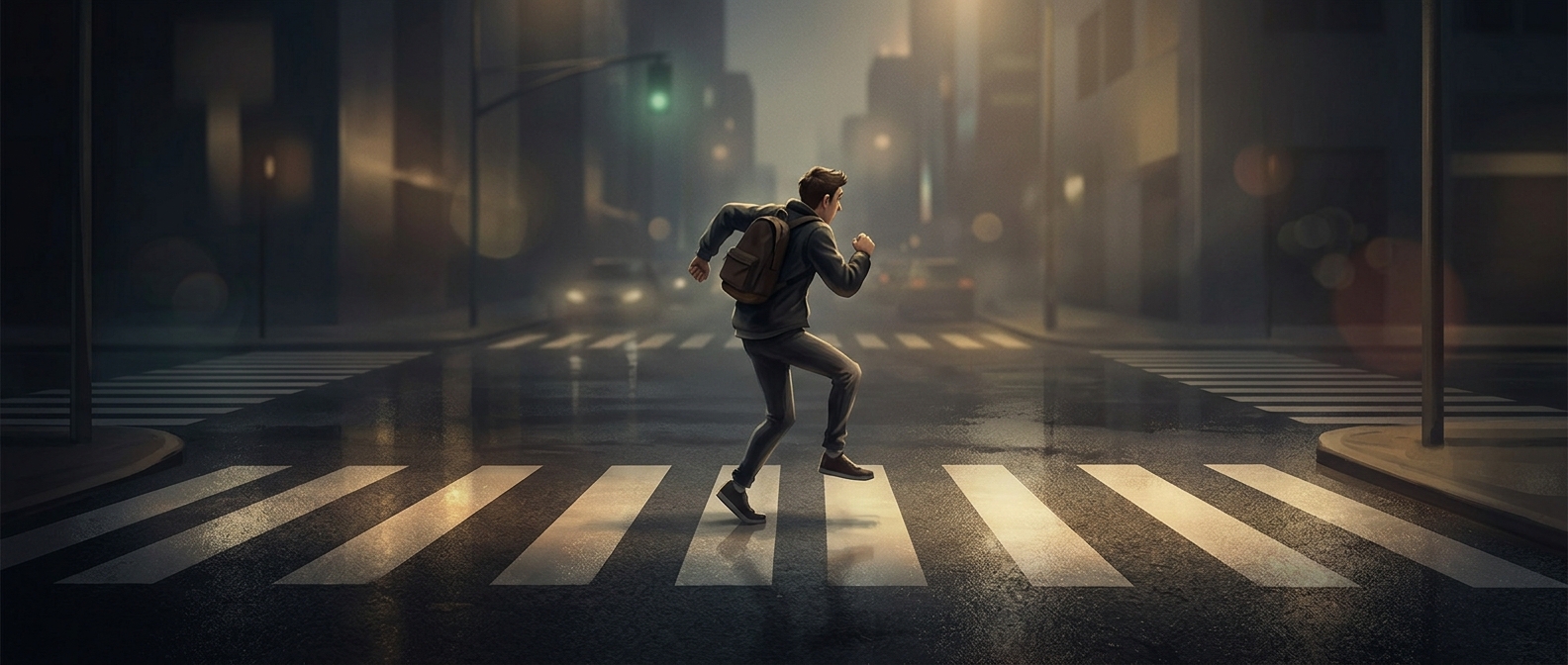
Why a Wrong Turn Can Feel Like a Public Performance
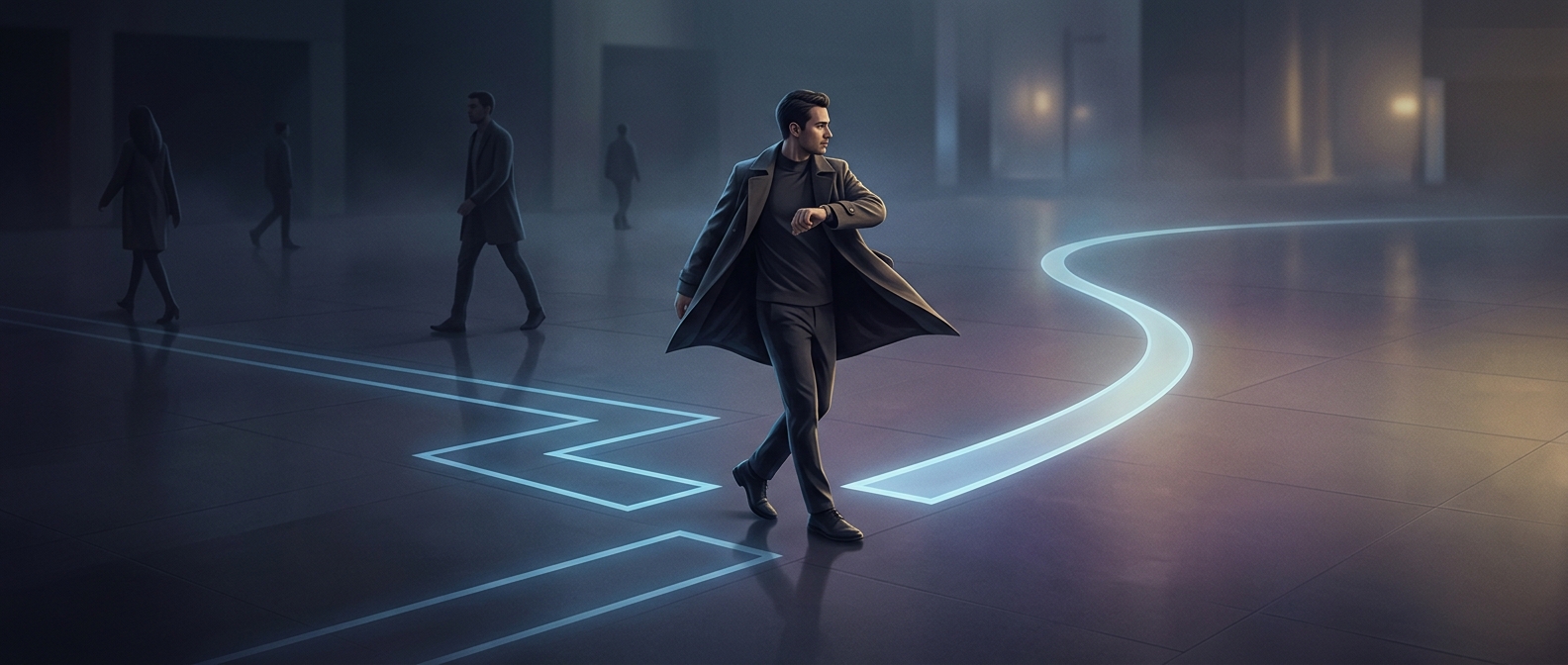
Realizing you are walking the wrong way is a tiny mistake, but correcting it happens in view of other people. That can make the moment feel less like simple navigation and more like a question of how you appear: Do you look confused, distracted, or as if you never knew where you were going?
Psychologists call the effort to shape other people’s impressions impression management. It is not necessarily a calculated lie. Often, people make small adjustments automatically because social life involves anticipating how an action might be read. A pause, a glance at a phone, or a change in pace can give a turn-around an ordinary-looking explanation.
The Imagined Audience Raises the Stakes
The key pressure is not that strangers are likely to care about one person’s route. It is that, in a self-conscious moment, their attention can feel more focused than it really is. When you are already aware of your mistake, you may picture nearby people noticing it and assigning it meaning.
A harmless correction then becomes something to manage. Checking a phone supplies a familiar reason to stop and change direction, allowing the person to feel less exposed. The maneuver is for the walker’s own sense of composure as much as for anyone watching.
A Small Way to Save Face
This kind of face-saving behavior shows how social concerns can shape even mundane movements. The route is easy to fix; the awkwardness comes from having to fix it where others might see. Usually, the audience is busy with its own business—but that does not stop a quick phone check from making the U-turn feel easier.