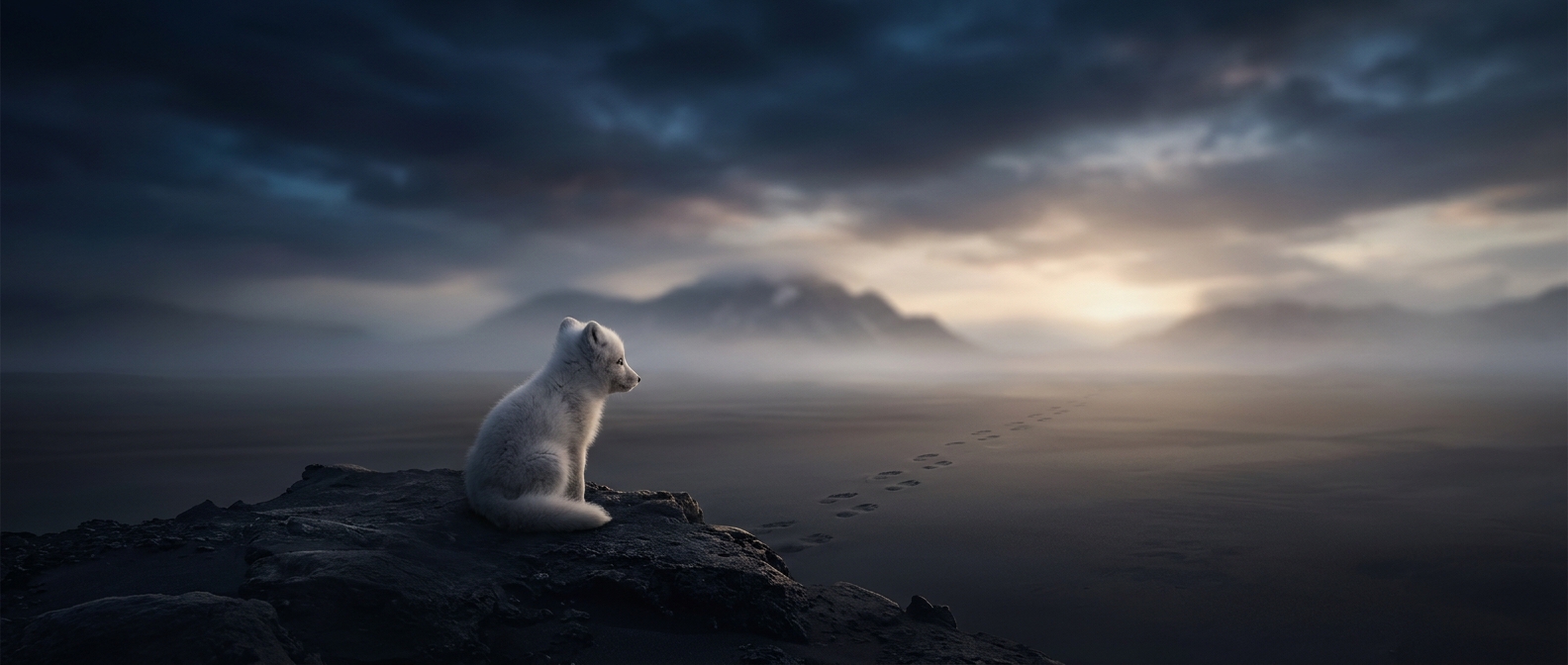
How a Wildlife Moment Becomes a Suspense Story
A young animal briefly out of its mother’s sight can be an ordinary part of wild behavior. On screen, though, that moment can feel like a crisis. The difference often comes from storytelling: editors arrange images and sounds so viewers understand the separation as a problem and anticipate a reunion.
Editing Supplies the Missing Connections
Wildlife footage is gathered across changing conditions, not necessarily as one uninterrupted scene. An editor can place a shot of a youngster alone beside later footage of its mother, using the order of images to suggest a clear question: will they find each other? A pause, a close view of the youngster, or tense music can stretch uncertainty even when the camera cannot show exactly what either animal is doing.
That structure borrows from familiar human stories. Viewers readily read vulnerability, worry, and relief into an animal’s expressions and movements. Those reactions make the sequence emotionally legible, but they can also make a brief or ambiguous event seem more dramatic than it is in the animal’s life.
The Camera Has Limits
Filming wildlife does not mean controlling it. Animals may move out of view, and a crew may not be able to follow closely without disturbing them. The finished segment therefore reflects both what the camera captured and what the edit can make understandable. A reunion is a satisfying ending; if footage does not establish one, the story may remain unresolved.
The suspense is real for the viewer, even when the sequence is a constructed narrative from separate moments. That distinction is part of the appeal—and the reason a tiny animal alone in frame can command more attention than a much longer stretch of uneventful behavior.