How a studio whisper creates the feeling of hiding nearby
A hushed narration does more than sound gentle. It suggests that the speaker is close to the action but trying not to be noticed—a fitting illusion when a film shows an animal behaving undisturbed. The viewer is invited to feel like a quiet observer rather than an audience being addressed from a distance.
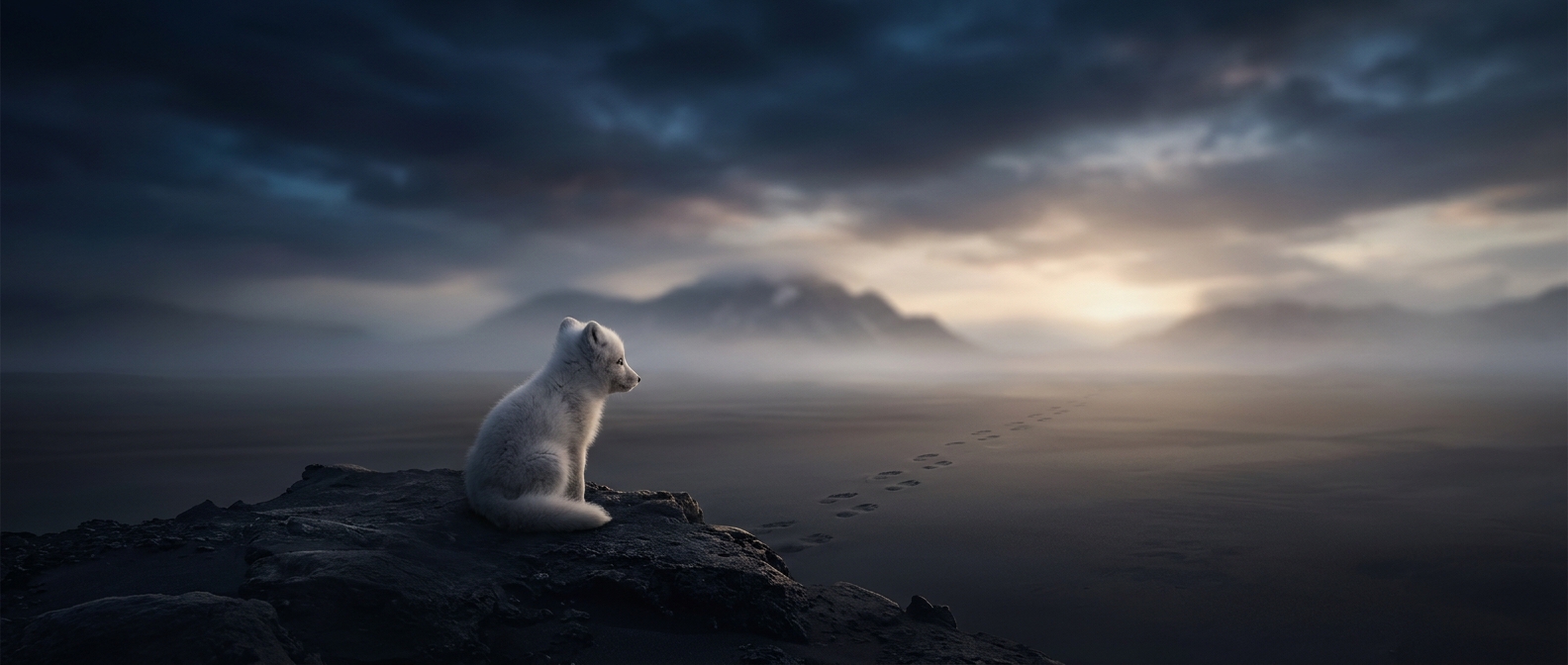
That effect depends on a contrast between image and voice. Wildlife footage can show an animal moving through an open landscape, while the narrator speaks with the restraint of someone watching from cover. The whisper makes small movements and pauses feel consequential, encouraging viewers to attend to what the animal does next.
The performance is crafted, then fitted to the scene
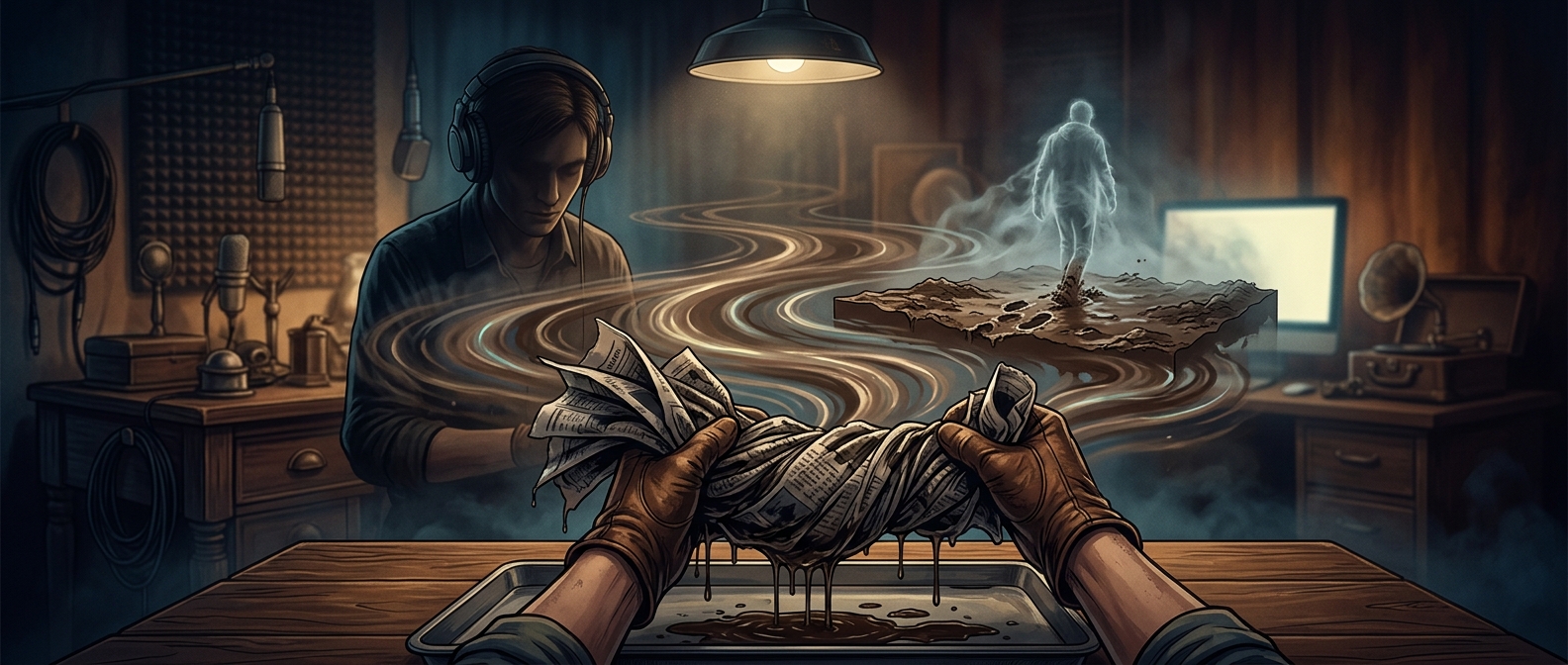
Recording in a booth gives the narrator control over background noise and delivery. A whisper captured in a noisy field could be hard to understand; in a controlled recording, the voice can stay soft without being buried by unwanted sound. The production can then place it alongside the film’s other audio, keeping the words audible while preserving the impression of quiet.
The voice is therefore not evidence that the narrator was physically beside the animal. It is a deliberate storytelling choice, shaped to make the scene feel intimate without interrupting its apparent stillness. The whisper works because it sounds like a response to the animal’s presence, even though it was created separately.