Why a quiet episode can end with a jolt
Spoken audio is usually mixed to keep words clear and comfortable over long stretches. A closing theme has a different job: it must sound like a distinct ending, often with instruments and a fuller, more sustained sound. If its perceived loudness jumps above the conversation, that change can feel abrupt even when the music is not exceptionally loud on its own.
The contrast is part of the effect
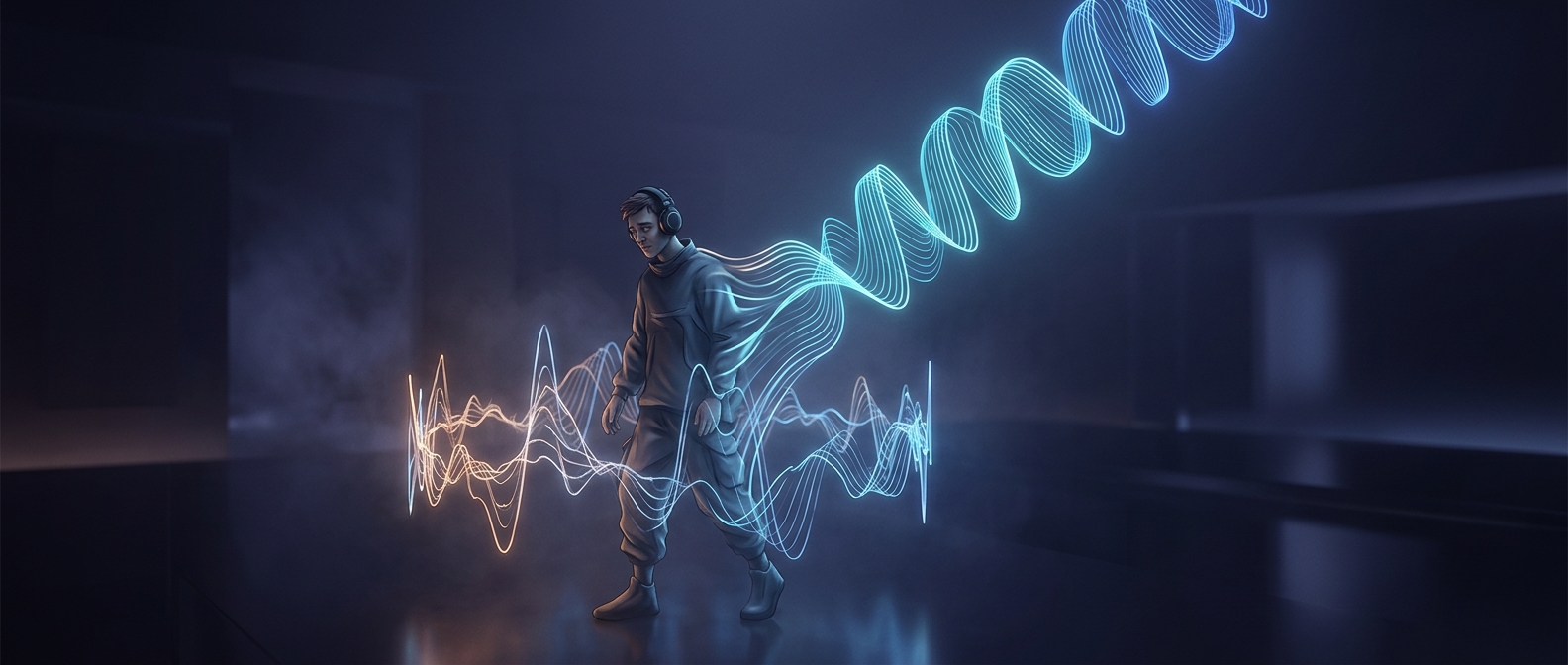
The ear notices changes, not just absolute volume. After a steady voice, a sudden musical entrance brings new pitches, rhythms, and layers at once. That shift can grab attention before a sleepy listener has time to register that the episode is over. A sharp opening beat or bright cymbal can make the transition feel even more startling than a gradual fade would.
Mixing also involves tradeoffs. Keep the theme too subdued and it may disappear on phone speakers or in a noisy room; make it prominent and it will be unmistakable. Producers may choose a strong ending for clarity and identity, but the same choice can create a rough landing for someone listening in bed.
Why it can wake a dozing listener
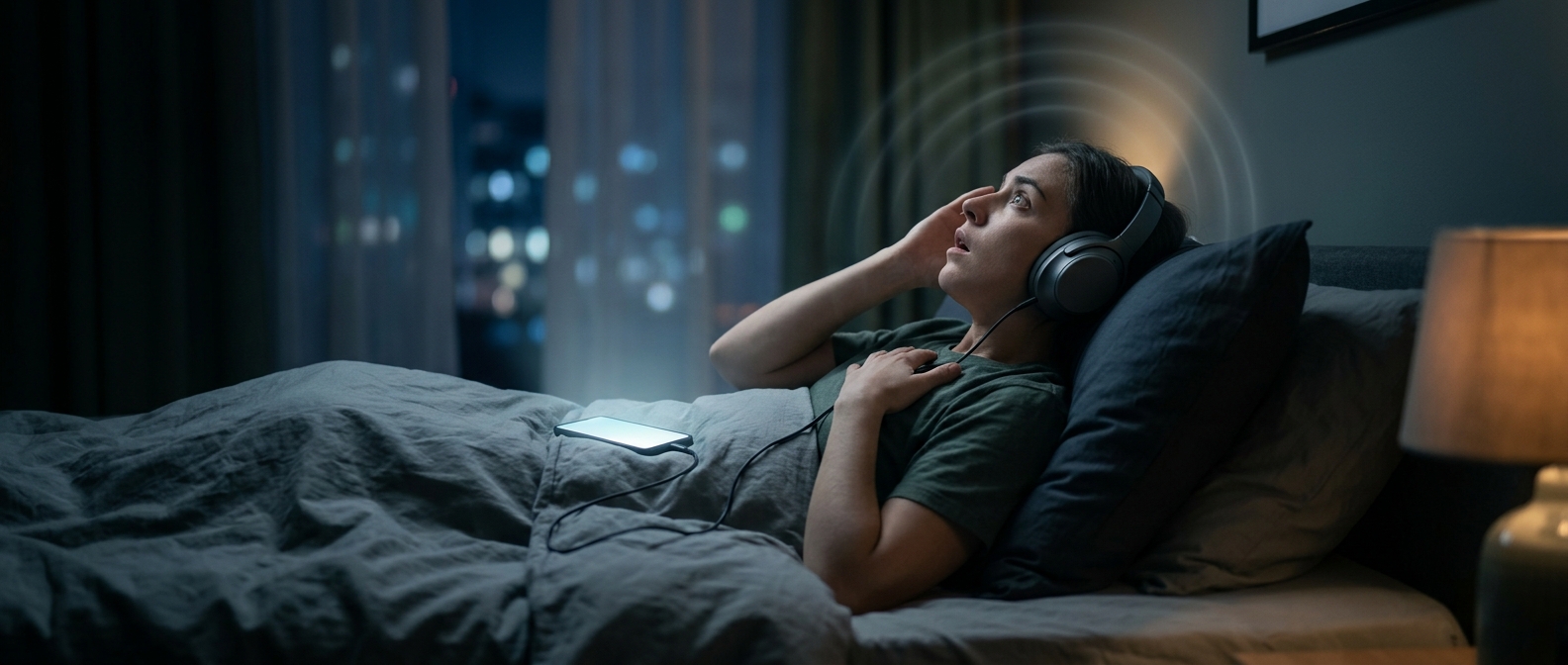
Sleep does not switch off hearing. The brain continues to monitor sound, and a sudden change can prompt a brief orienting response—the body’s quick shift toward a possible new event. That does not mean every listener will wake, or that the music is louder in a technical sense than every spoken moment. It means the contrast arrives at exactly the point when a half-asleep listener may be least prepared for it.
A closing theme can therefore function as both a recognizable sign-off and an accidental alarm: the cue that tells the awake listener an episode has ended may be what brings the drowsy one back.