Why speech recognition loses the words that matter
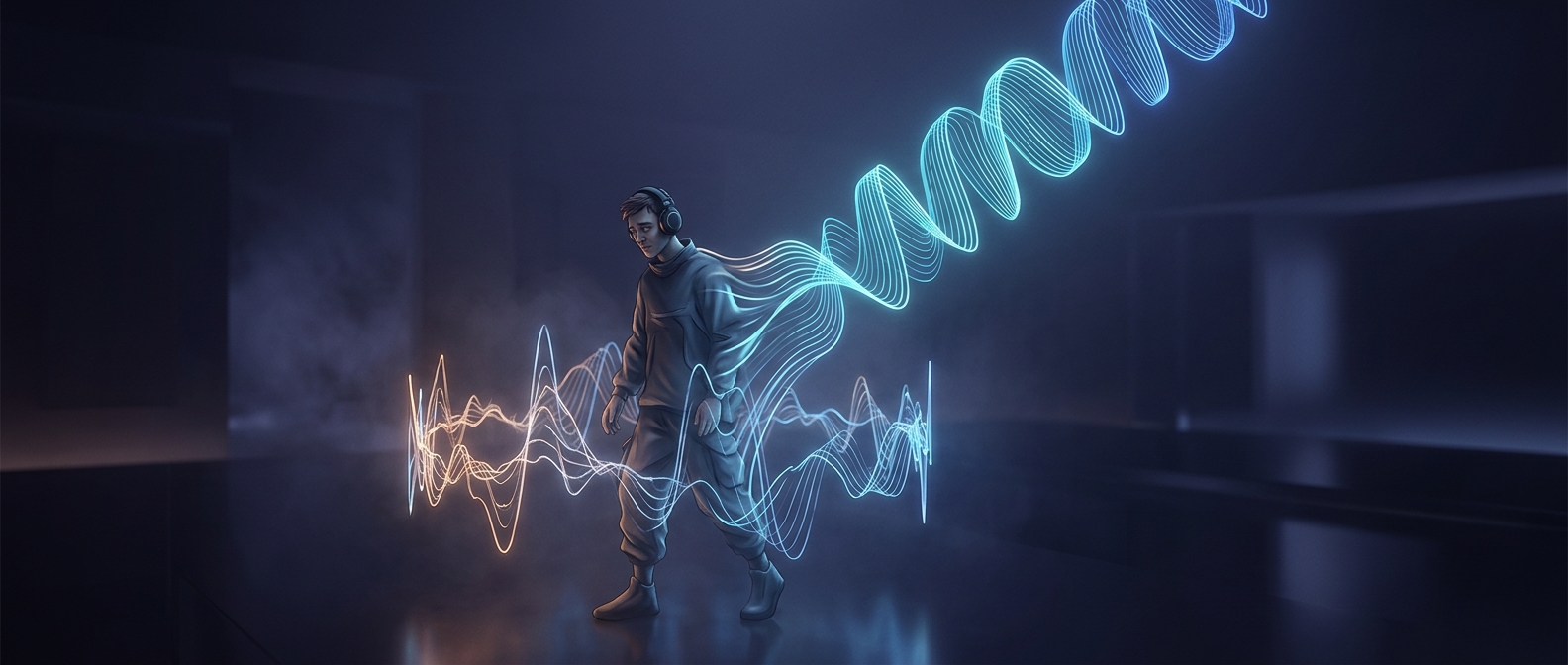
An automatic transcript is not a recording of the words so much as a machine’s best guess at them. Speech-recognition software turns sound into small patterns, then estimates which words most likely fit those patterns and the surrounding sentence. When a speaker uses a technical term, an unfamiliar name, or a regional pronunciation, the sound may fit several possibilities. The system can choose a familiar word that is wrong—and still produce a sentence that looks fluent.
A plausible mistake can be hard to spot
The software’s language model, which predicts likely word sequences, helps it recover speech obscured by noise or quick pronunciation. But that same prediction can work against specialized or less familiar speech: a rare term may be replaced by a common phrase. Accents and speaking styles also vary, and recognition quality depends in part on how well a system has learned to handle that variation.
These errors are not merely cosmetic. A transcript can make a useful recording difficult to search: if a person’s name or key term is misheard, a search for the correct spelling may not find the passage. In fields where exact wording matters, a mistaken term can also change the apparent meaning of a discussion.
Transcripts need a path back to the audio
Automatic transcription is valuable for making large collections of speech quicker to browse, but its text should not always be treated as a definitive record. Checking names, specialized vocabulary, and passages where precision matters against the audio can catch errors that a smooth-looking sentence conceals. The practical test is whether the transcript helps someone find and understand the recording—not whether every line reads as if a person typed it.