How Editing Turns Separate Attempts Into One Hunt
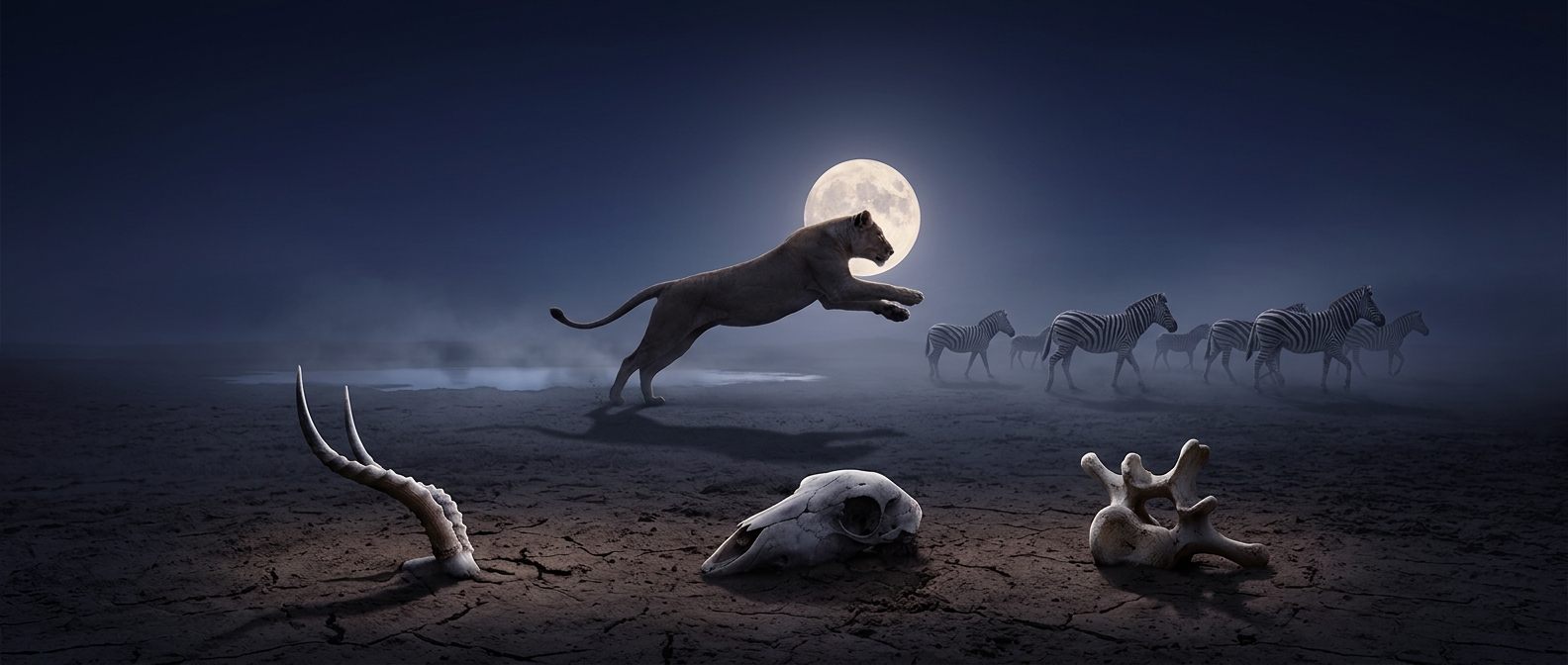
Wildlife footage is usually gathered in fragments: a camera records an animal when it is visible, then waits or follows as conditions allow. A hunt may unfold across many hours, and the crew may capture several pursuits before getting a usable sequence of a kill. In the edit, those fragments can be arranged to build a clear dramatic arc: the predator chases, misses, tries again, and eventually succeeds.
The viewer’s sense that each moment follows directly from the last comes from continuity cues. Similar scenery, the same animal, and a consistent direction of movement can make shots feel like one uninterrupted event. Sound and pacing help, too: quick cuts can make a chase feel urgent, while pauses can suggest mounting fatigue. These choices guide interpretation even when the footage spans separate attempts.
The Tradeoff Between Story and Sequence
A compressed sequence can convey a real pattern—hunting often involves repeated effort—without showing the full time between attempts. But it can also make distinct events look like stages of a single contest. An animal appearing worn down before a catch may therefore reflect the order in which the footage is presented, not a continuous record of that one hunt.
That distinction matters when judging what the scene shows. The successful catch is genuine footage; the apparent buildup may be an editorial construction that gives scattered observations the shape of a story.