The acorn that stayed an acorn
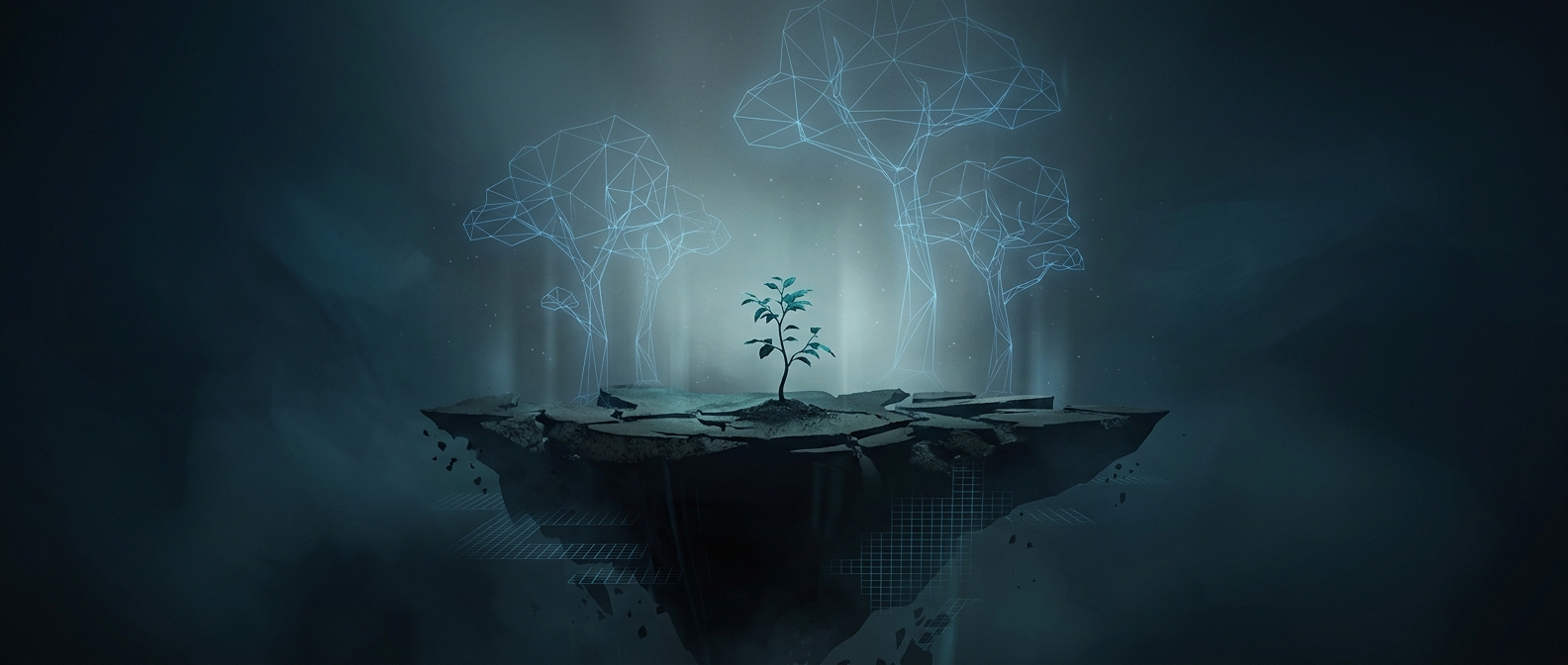
Before Fable was released, its creator, Peter Molyneux, described a world where planting an acorn could eventually produce an oak tree. The idea made the game sound less like a fixed adventure and more like a place that continued changing in response to a player’s actions. In the finished game, however, vegetation did not grow and change that way.
Why a growing tree is more than a visual effect
For the promise to work, the game would have to remember where the acorn was planted, track the passage of time, and replace the seedling with a larger tree. That change could also affect how the space worked: a mature tree occupies more room and might obstruct a path or alter what the player can see. A convincing version therefore requires more than showing a few stages of growth; the world has to preserve and accommodate the change.
That helps explain the gap between an evocative idea and a feature a game can reliably deliver. Fable offered players a world shaped by choices, but a persistent, growing landscape would have added another layer of simulation to build and maintain. The game’s vegetation ultimately remained static, so planting an acorn did not become a long-term transformation the player could watch unfold.
A promise that became part of the game’s story
The acorn endured as a memorable example of how ambitious descriptions can set expectations beyond what a finished game contains. It also points to a practical distinction in game design: a world can feel responsive through selected choices and consequences without simulating every change a player might imagine. In this case, the smallest promised action—planting a seed—became the clearest test of how far that world actually changed.