Why Duke Nukem Forever took 15 years to arrive
The long delay was not simply a matter of polishing one nearly finished game. Announced in 1997, Duke Nukem Forever spent years being reworked as game technology and the team’s plans changed. The project became a moving target: developers were trying to build a game that felt cutting-edge, while the tools and expectations for what “cutting-edge” meant kept shifting.
A project repeatedly rebuilt
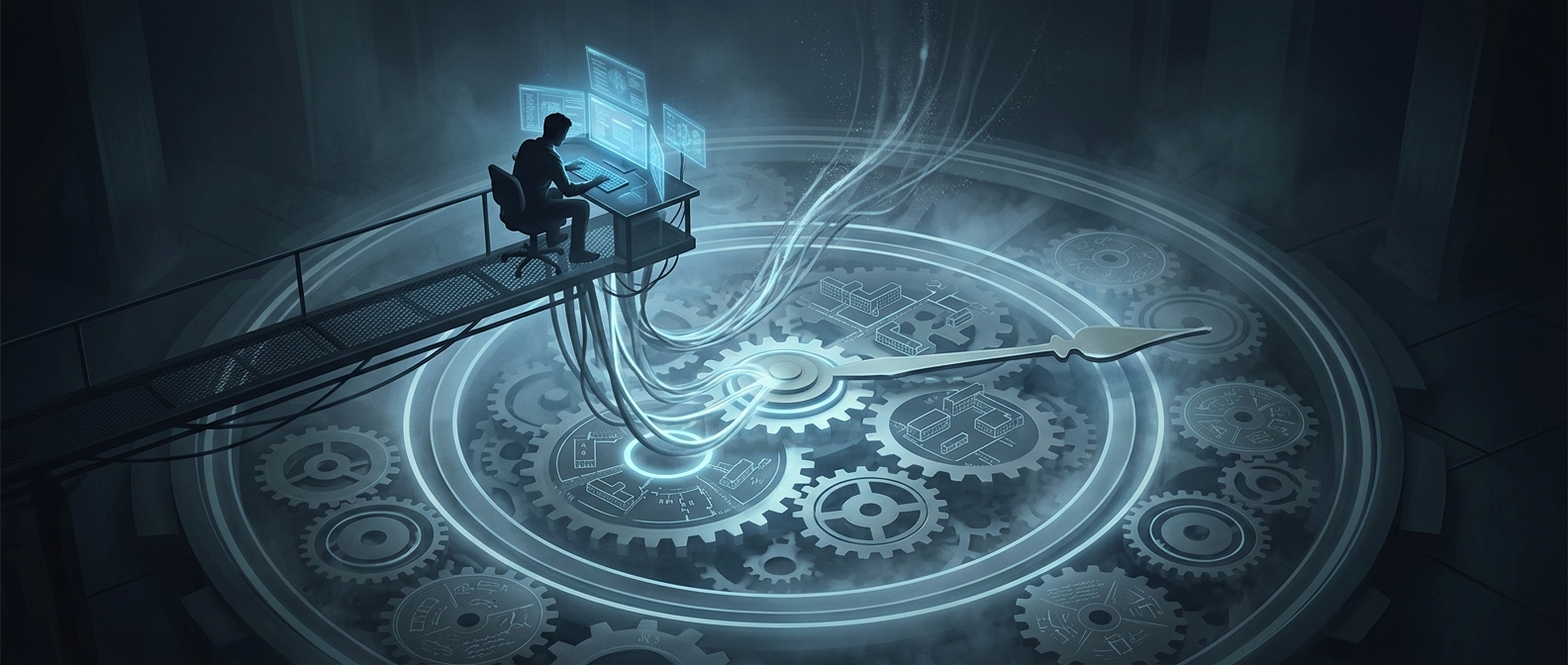
Early versions were designed around technology that soon began to look dated. The developers changed engines—the underlying software used to create a game’s graphics, physics, and interactions—and rebuilt substantial parts of the project. New demonstrations could show impressive scenes without meaning that the whole game was close to finished: a playable product also needed connected levels, reliable systems, and enough completed content to ship.
That cycle made progress hard to preserve. When the technology or design changed, work that had once seemed useful could need replacement. The project’s unusually long development also meant the team was trying to match a genre that continued to evolve while its own game remained unfinished.
From delay to release
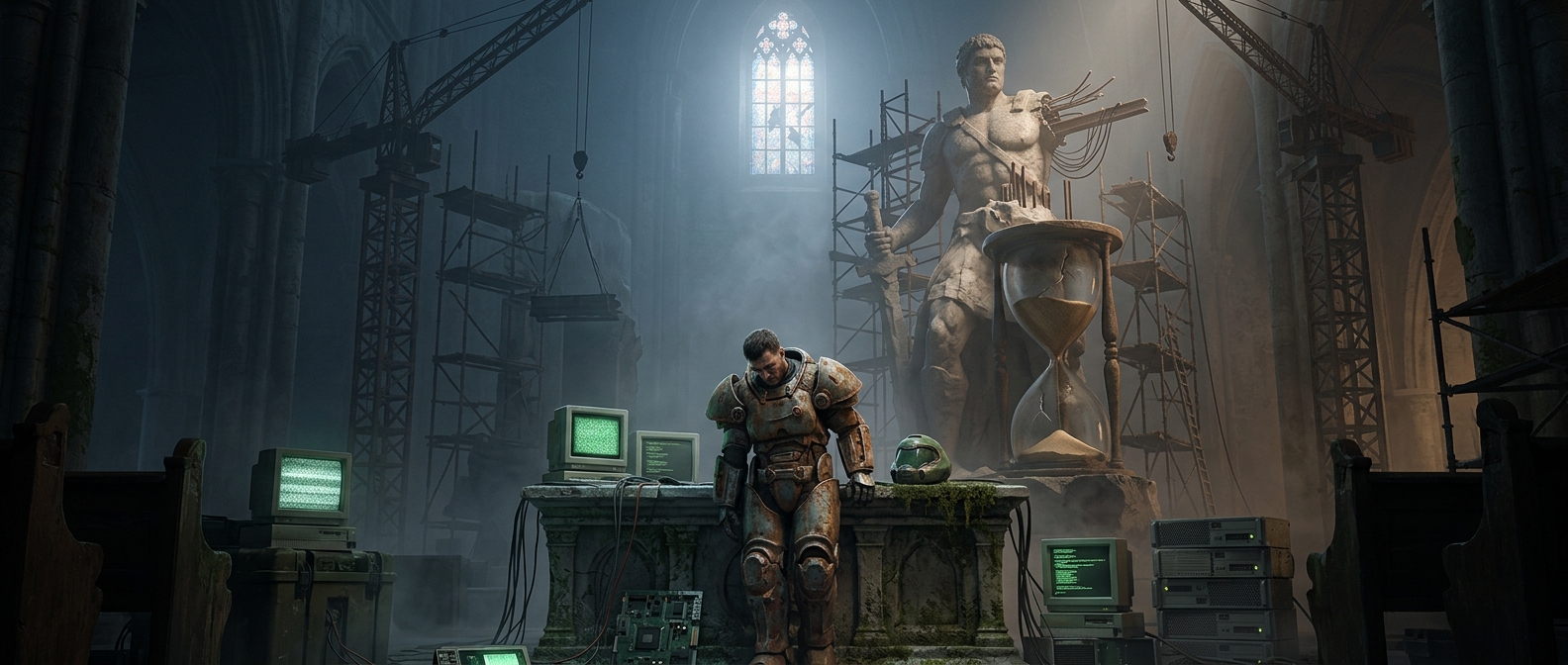
After the original studio, 3D Realms, stopped work in 2009, Gearbox Software took over the project and brought it to release in 2011. The result carried traces of its long gestation: parts of the game reflected ideas and technology from different stages of development rather than one consistent moment in the industry.
The 15-year wait became a cautionary example of how ambition can turn into accumulated rework. A game can survive many changes in concept and technology—but the longer that happens, the harder it becomes to make all its pieces feel as though they belong to the same finished work.