A game engine is the title’s working foundation
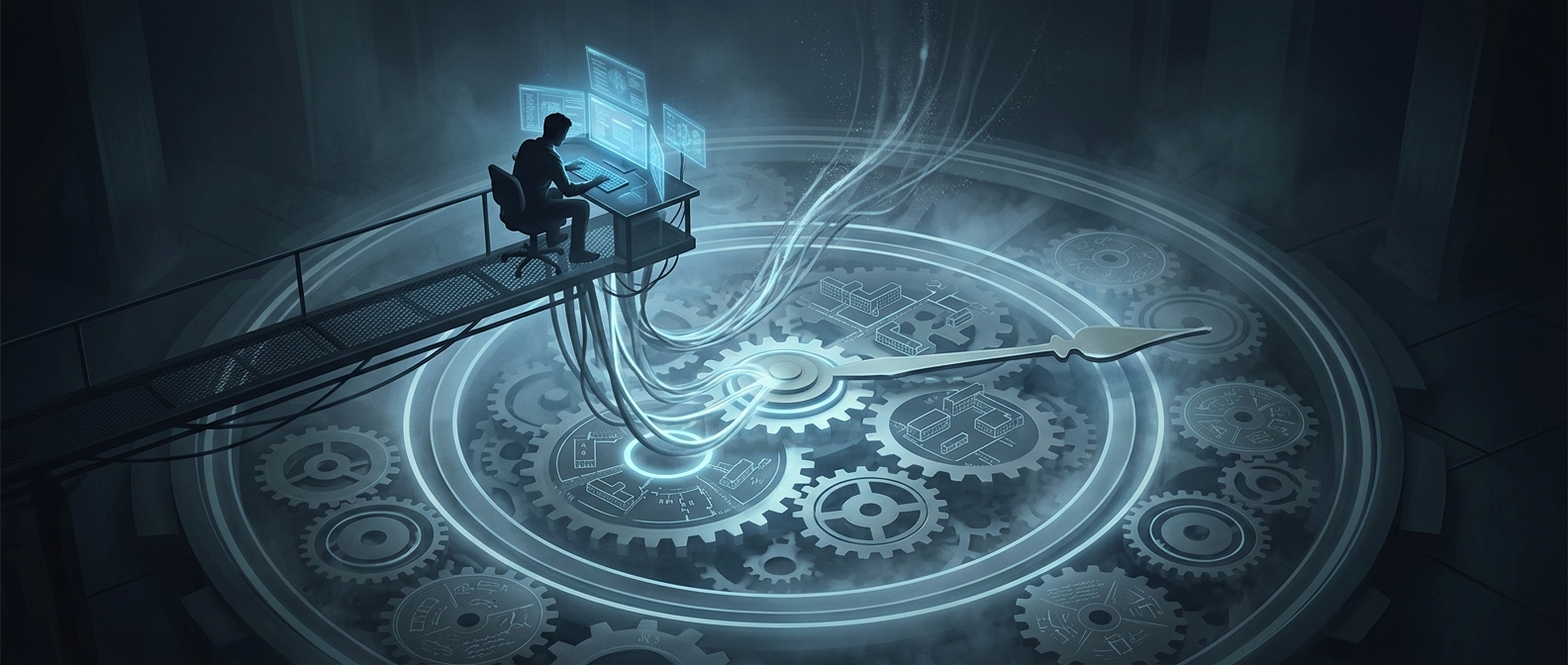
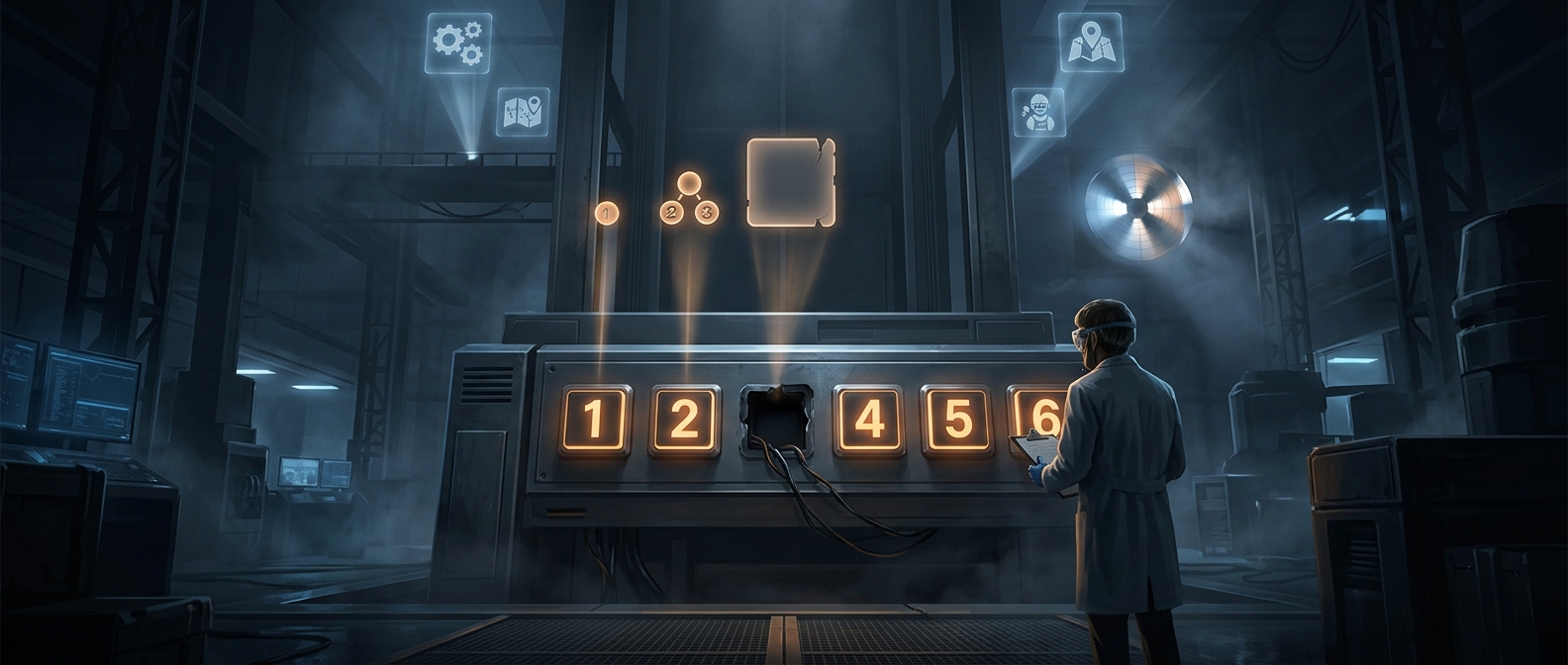
A game engine is the software framework that handles many of the jobs a game needs to run. Instead of building every system from scratch, developers can use an engine’s tools for drawing images on screen, detecting collisions, playing sound, reading controller input, and organizing game assets. The engine connects those pieces so a player’s action can produce a visible, audible response.
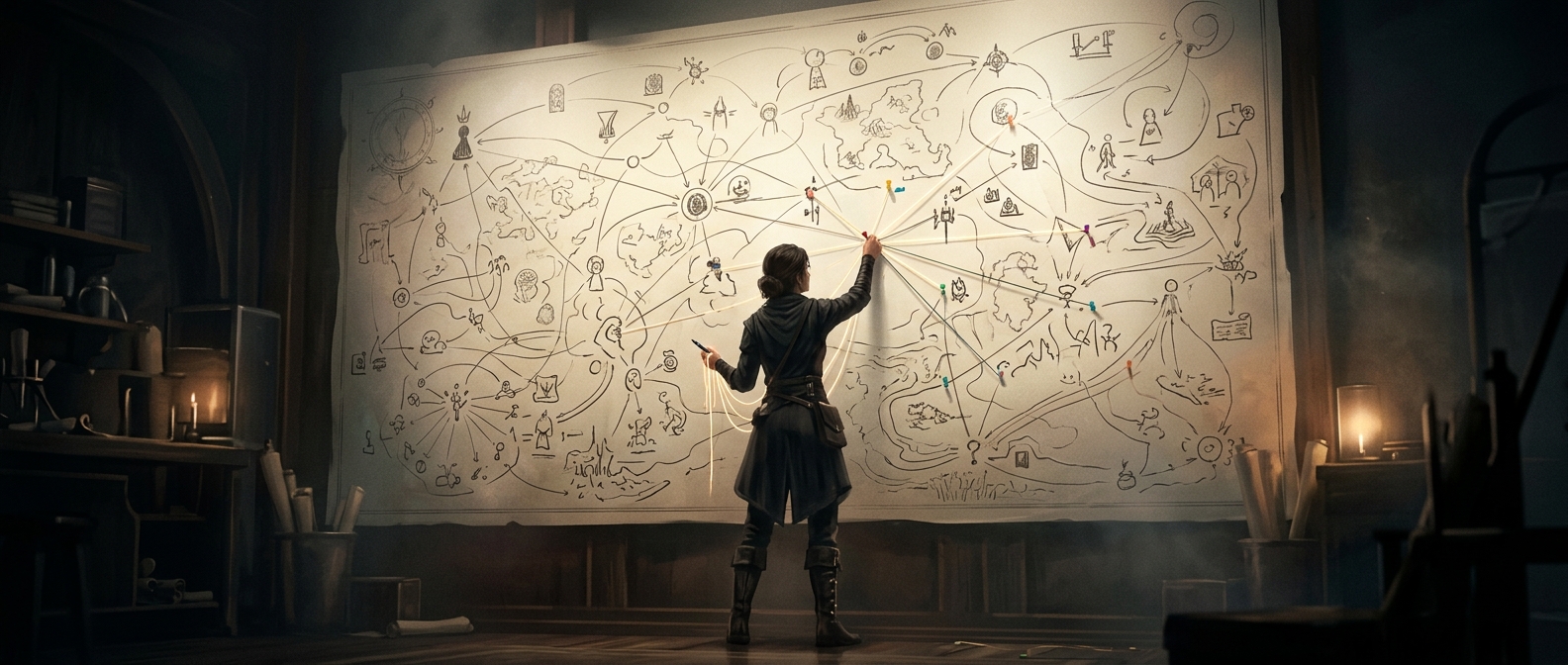
That leaves a team more time to create what makes its game distinctive: its levels, characters, rules, and visual style. The engine does not invent those choices. It provides the machinery and workspace for implementing and testing them.
From editor to playable game
In an engine’s editor, a developer can place objects in a scene, adjust their properties, and try the result immediately. A character might be given a movement script, a wall assigned collision behavior, and a light changed to alter the mood of a room. When the developer presses Play, the engine runs those parts together, making it easier to spot problems and revise the scene.
The engine also helps turn a project into versions that can run on different hardware. But that does not make every platform automatically identical: teams still need to test performance and adapt controls, graphics, or other features to their target devices.
A powerful shortcut, not a finished game
Using a common engine can spare a small team from recreating complex technical systems, but it comes with constraints. The team must learn the engine’s workflow, work within its capabilities, and decide how much to customize. A game’s look and feel come from the developers’ choices and content—not from the engine alone.
That is why a behind-the-scenes clip may show both creative work and technical adjustments: changing one scene can involve arranging the experience, while the engine handles the systems that make the change playable.