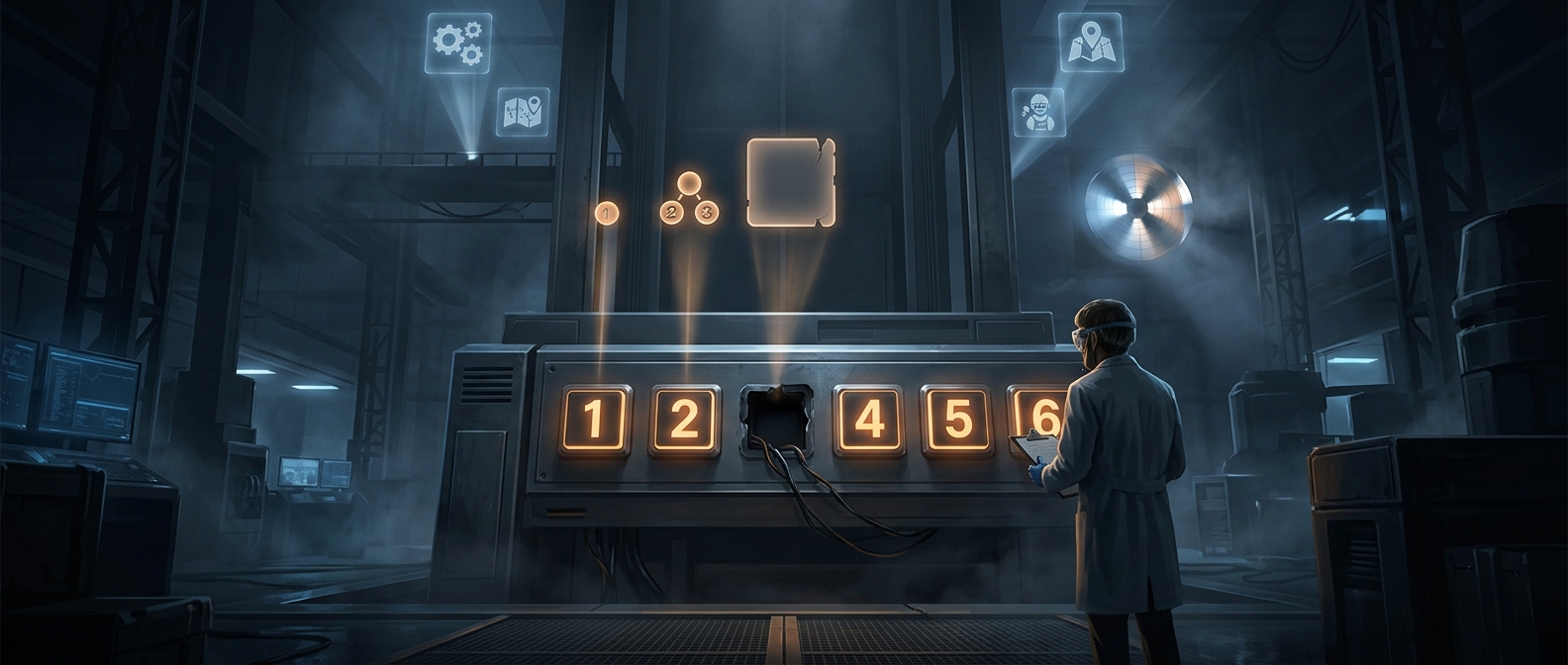
The “third game” joke has a real pattern behind it
Valve’s best-known series stop just before the number fans expect: Half-Life 2 was followed by Episode One and Episode Two, not Half-Life 3; Portal 2 and Left 4 Dead 2 have no numbered successors. The gap is especially conspicuous because these games often end by opening new possibilities, giving players plenty to imagine and argue about.
That pattern is not evidence of a company rule against the number three. Valve has released other games and products, and its major franchises have not all followed the same schedule. The running joke compresses a more ordinary—and less satisfying—explanation: a sequel gets made only if Valve chooses to commit a team to it.
Why a sequel can lose out to something new
Valve has described its workplace as unusually flat: employees have considerable freedom to choose projects rather than simply being assigned one by a conventional management chain. That can help a small group pursue an ambitious idea, but it also means a sequel must attract people and hold their attention while development stretches on. A recognizable franchise may be valuable, yet it does not automatically make the next game the project the company wants to build.
The costs rise when a series sets its own bar. A Half-Life follow-up would be judged not just as another shooter but against the earlier games’ reputation for changing how players experience a story. A sequel can therefore be difficult to justify unless its central idea feels strong enough to warrant the years of work and the comparisons it will invite.
The unfinished number becomes part of the story
Valve’s Half-Life episodes once suggested a way to continue the series in smaller installments. But after Episode Two, that plan did not produce the expected next chapter. The pause left a cliffhanger intact—and gave fans a particularly memorable number to wait for.
So “Valve never makes a third game” is a punchline, not a production law. Its staying power comes from the contrast between a company with beloved series and players’ assumption that success should lead directly to another sequel. At Valve, the number on the box has never been enough to guarantee one.