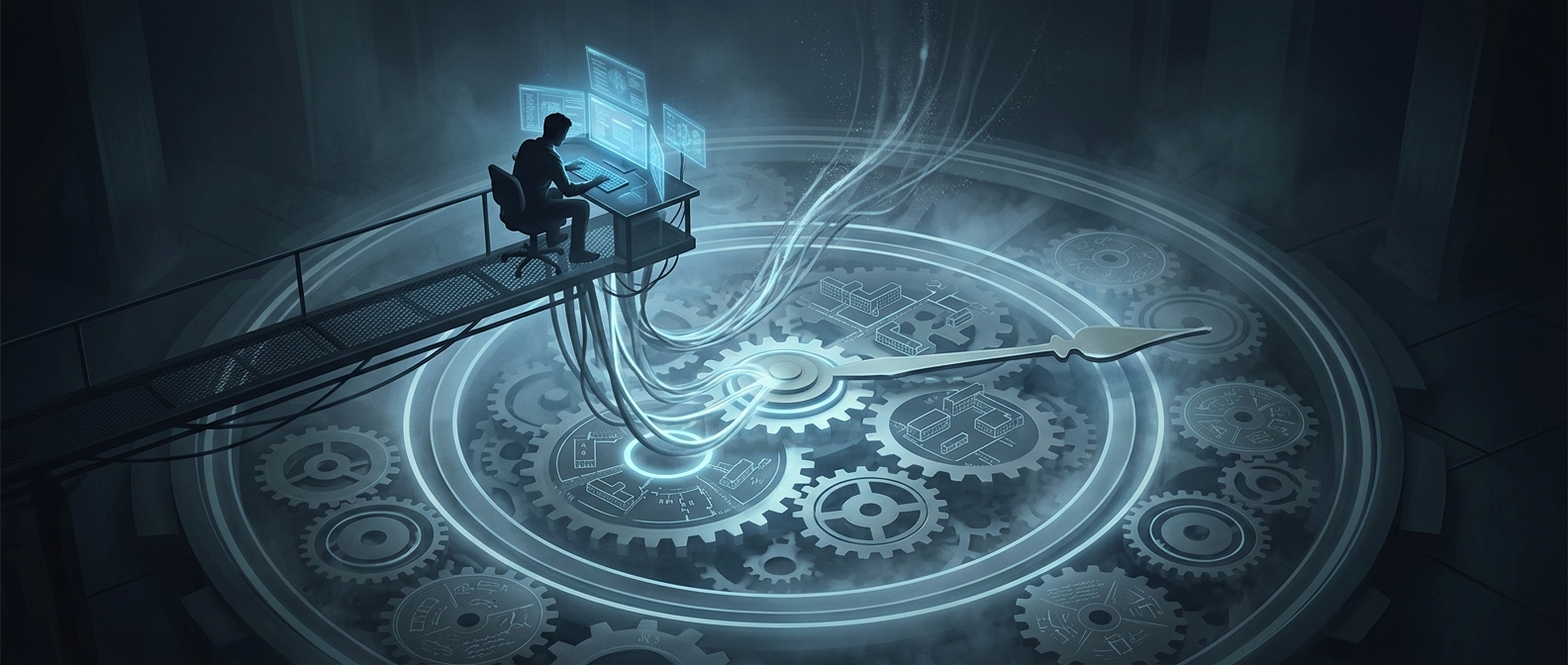
When the prototype keeps growing
A game can begin with a clear central loop—in this case, the player’s repeated attempts to pursue a target while avoiding detection—but that loop is only the starting point. New systems can make each attempt feel richer: more ways to act, more characters to respond, or more consequences for being noticed. The difficulty is that each addition changes what the rest of the game must support.
A new feature is not just a box to check. It needs rules, interface elements, animations, sound, and interactions with existing systems. If a character’s behavior changes, for example, the player may need new feedback to understand why. That feedback then has to work across the game’s other situations, not just one ideal test case.
More content means more ways to break things
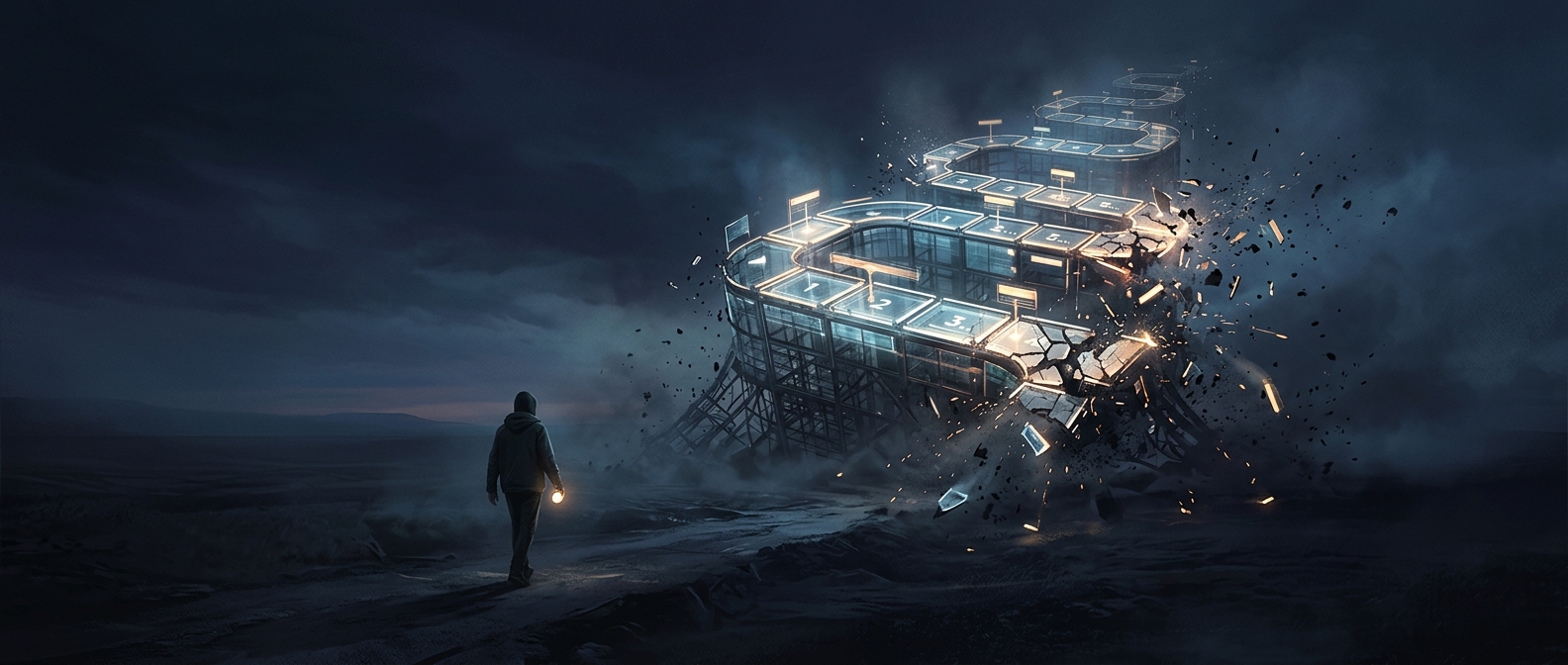
As features accumulate, testing becomes harder. Two systems that work separately may behave badly when combined, and changes made to fix one problem can create another. Developers must also revisit earlier work as the game’s design shifts, while still building new content. The result is a growing cycle of implementation, integration, and repair.
This is the trap behind scope creep: the project’s ambitions expand faster than the time available to finish and polish them. A playable build can exist for years without being a completed release, because “playable” does not mean the systems are stable, balanced, and coherent as a whole.
The cost of postponing “done”
A firm release requires deciding which ideas belong in the finished game and which can wait. Without that boundary, every promising addition can seem necessary before launch. The practical consequence is that the core experience may keep changing while the work needed to make it reliable keeps growing—turning completion into a moving target.